Vela Magazine · Artist Initiative
Warhol
Twelve methods, one devotional practice dressed as a factory.
Andy Warhol spent twenty-five years teaching a culture how to look at the bodies it had agreed to stare at. The work that came out of the Factory reads, at first, as comment — on celebrity, on commerce, on the photograph. It was also, quietly, a contemplative practice in disguise. This hub collects the twelve methods Warhol used to make it, the figures he turned into subjects, and the ways Vela inherits the work without inheriting the machinery that surrounded it.
Warhol, Without the Silkscreen — what repetition was for, what the Factory made possible, and what a contemplative platform takes from Warhol and declines to carry forward.
Band 1 of 3
His Work
Most Warhol originals remain under Warhol Foundation and ARS rights. What follows is what Vela can show — a single CC0 image and a small shortlist of openly-licensed Wikimedia reproductions. The full catalog lives at the museums that hold it; we link out to each record.

On the catalog.Of 248 Warhol works we audited across museum APIs, 247 remain under Foundation / ARS rights. The full holdings live at the institutions below.
The single CC0 item is surfaced from warhol-assets.json. The remainder of the band is deliberately thin — the point is not to simulate a catalog we do not have rights to, but to acknowledge the visual constraint honestly and send the reader to the institutions that hold the work.
Band 2 of 3
His World
The photographs of Warhol, the Factory, and the people who came through it are better covered by permissive licenses — much of the period's press photography is now public domain. What follows is a selection: Warhol himself, the Factory, and the sitters whose faces shaped his portraits.
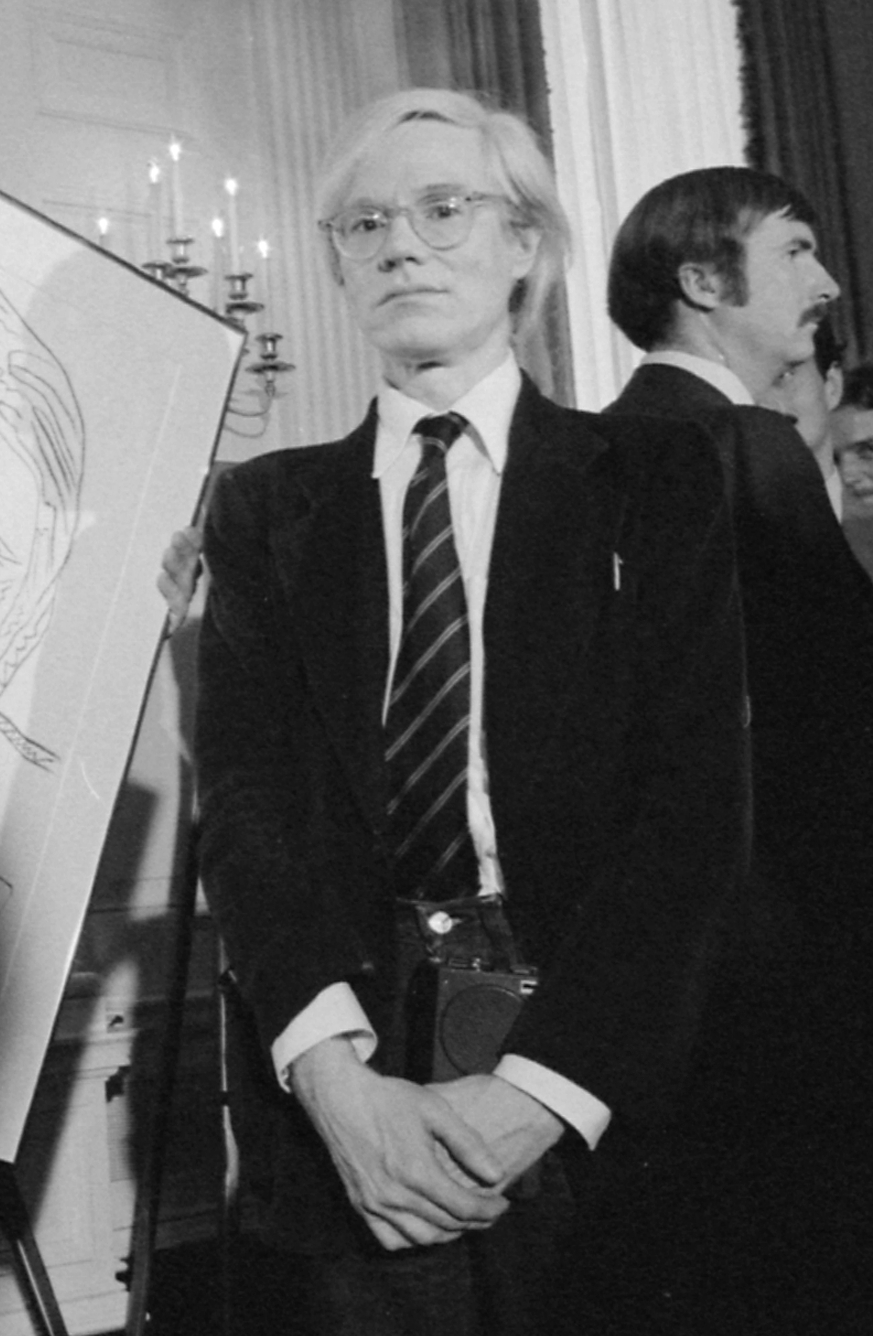 Public domain
Andy Warhol
Taken on 14 June 1977
Public domain · Wikimedia Commons
 Public domain
Andy Warhol
1967
Public domain · Wikimedia Commons
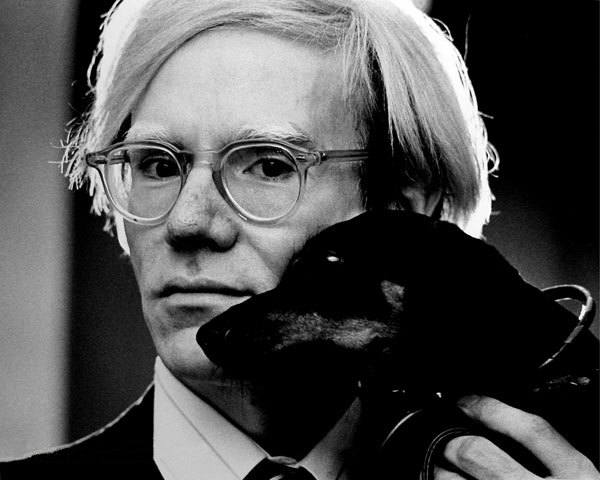 CC BY
CC BYAndy Warhol
1973
CC BY · Wikimedia Commons
 Public domain
Andy Warhol
1967
Public domain · Wikimedia Commons
 CC BY
CC BYThe Factory
2009-01-06
CC BY · Wikimedia Commons
 CC BY
CC BYThe Factory
2009-01-06 02:13
CC BY · Wikimedia Commons
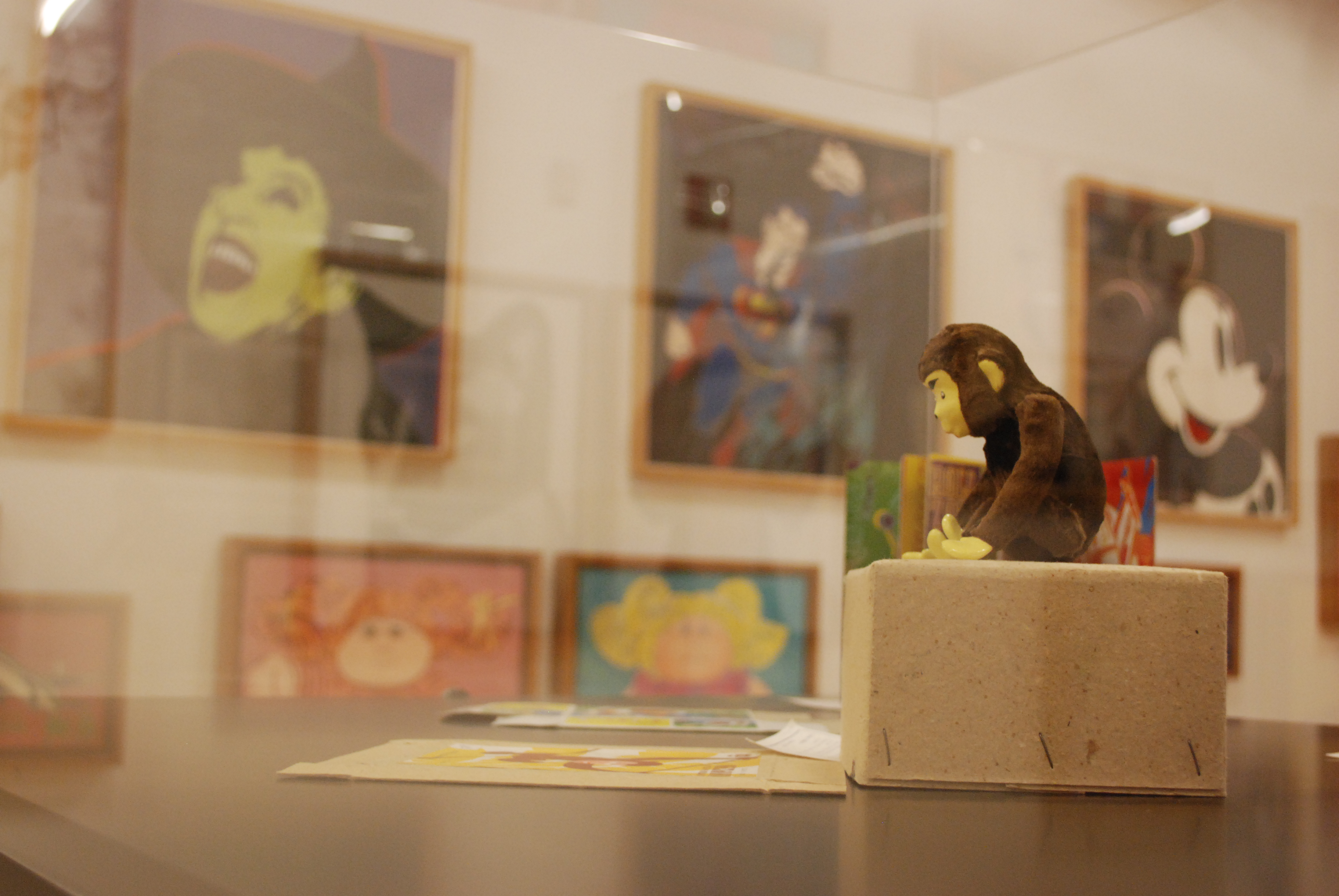 CC BY
CC BYThe Factory
2009-01-06 03:20
CC BY · Wikimedia Commons
 CC BY
CC BYThe Factory
2009-01-06 03:11
CC BY · Wikimedia Commons
 CC BY
CC BYEdie Sedgwick
CC BY · Wikimedia Commons
 Public domain
Edie Sedgwick
1897
Public domain · Wikimedia Commons
 CC BY
CC BYEdie Sedgwick
2009-04-21
CC BY · Wikimedia Commons
 CC BY
CC BYEdie Sedgwick
21 June 2005 (original upload date)
CC BY · Wikimedia Commons
 CC BY
CC BYCandy Darling
2006-12-24 10:37
CC BY · Wikimedia Commons
 Public domain
Candy Darling
2015-09-27 13:50
Public domain · Wikimedia Commons
 Public domain
Candy Darling
1972
Public domain · Wikimedia Commons
Public domain
Candy Darling
Public domain · Wikimedia Commons
Public domain
Brigid Berlin
Public domain · Wikimedia Commons
Public domain
Brigid Berlin
1904
Public domain · Wikimedia Commons
Public domain
Brigid Berlin
Public domain · Wikimedia Commons
Public domain
Brigid Berlin
Public domain · Wikimedia Commons
 CC BY
CC BYGerard Malanga
2007-02-22
CC BY · Wikimedia Commons
 CC BY
CC BYGerard Malanga
2005
CC BY · Wikimedia Commons
CC BY
Gerard Malanga
2014-08-09 03:21:54
CC BY · Wikimedia Commons
 CC BY
CC BYGerard Malanga
2011
CC BY · Wikimedia Commons


_(3222688015).jpg)
_(3223547524).jpg)
_(3223546298).jpg)


.jpg)
.jpg)


.jpg)

Band 3 of 3
His Methods
Twelve methods across three decades. Each card opens a page that sits with the method on its own terms — the dates, the canonical works, and what Vela does and does not inherit. Five of the twelve run on Vela's derivative pipeline as AI studies; two are catalogued here descriptively and not re-enacted.
Silkscreen Serialization
1962 onward (Marilyn Diptych, 1962)
Same image, forty-nine times. Not a duplication — a devotional practice disguised as a factory method.
Read the method →
Color-Block Portraiture
1963 onward (Liz, Jackie, Mao, late Marilyn portfolios)
When a photograph is reduced to flat color, the face becomes an arrangement of attention the viewer has to build.
Read the method →
Polaroid Intimacy (Big Shot)
1971–1979 (Polaroid Big Shot era); continues through 1987
Forty-two inches, fluorescent flash, no shadow. The sitter cornered by the apparatus.
Read the method →
Screen Tests
1964–1966
Four minutes of film, projected slower. Every blink becomes an event.
Read the method →
Blotted Line
1950s commercial illustration; bleeds into early fine art
Ink pressed wet against a second sheet. The line that comes off is already a copy of itself.
Read the method →
Oxidation ("Piss") Paintings
1977–1978
Copper ground, uric acid, oxidation patterns. A body-made abstraction that mind could not have composed.
Read the method →
Shadows
1978–1979
One hundred and two canvases. Seventeen colors. No figure. Accumulation as the work.
Read the method →
Death and Disaster
Catalog only1962–1967
The repetition that the Marilyns offered as devotion, offered here as accusation.
Read the method →
Commodity Iconography
Catalog only1962 onward
The soup can given the compositional weight of a devotional object. A method Vela catalogs and does not inherit.
Read the method →
Camouflage
1986
The pattern that is supposed to hide a body, stretched across the self-portrait so the face is visible only because the camouflage fails.
Read the method →
Flowers
1964
A photograph of four hibiscus, flattened against a color field. The closest Warhol got to pure color-decision over an indifferent silhouette.
Read the method →
Late Collaborations (Warhol × Basquiat)
1984–1985
One hundred and forty canvases. Two painters who worked almost opposite methods, arguing in paint.
Read the method →
The essay
Warhol, Without the Silkscreen
Warhol, Without the Silkscreen — what repetition was for, what the Factory made possible, and what a contemplative platform takes from Warhol and declines to carry forward.
Read the essay