Warhol · Method 7 of 12
Shadows
1978–1979
The method
Shadows is Warhol at his most quiet and most rigorous. One hundred and two canvases, each a silkscreen of the same shadow, each a different color, each six feet tall, installed edge-to-edge so the viewer walks a circuit inside them. The piece has no figures. The piece has no celebrities. The piece has nothing to sell. What it has is the time it takes to walk around it, which is longer than any single canvas could hold a viewer's attention. The accumulation does the work. By the thirtieth canvas the shadow-shape itself has stopped being the subject — the subject is the register you have slipped into, which is the register Warhol was always trying to produce and rarely had the space to. For a contemplative platform, Shadows is the piece to study. It is an instrument for producing attention, built out of the refusal to give the viewer a figure to rest on. The lesson is not the shape. The lesson is the time.
Process
A photograph of a shadow on a studio wall — shape unidentified, probably a maquette — is silkscreened onto canvas primed in a single saturated color. Seventeen colors across 102 canvases. Installed edge-to-edge, circumnavigating the viewer at eye level. The image is the same; the color is the variable; the accumulation is the work.
Canonical works
- Shadows (1978–79, 102 canvases, Dia Art Foundation)
The Vela take
The Vela take: the lesson is not the shape. The lesson is the time. Shadows is the piece to study when the question is how accumulation produces attention without figures at all.
Context
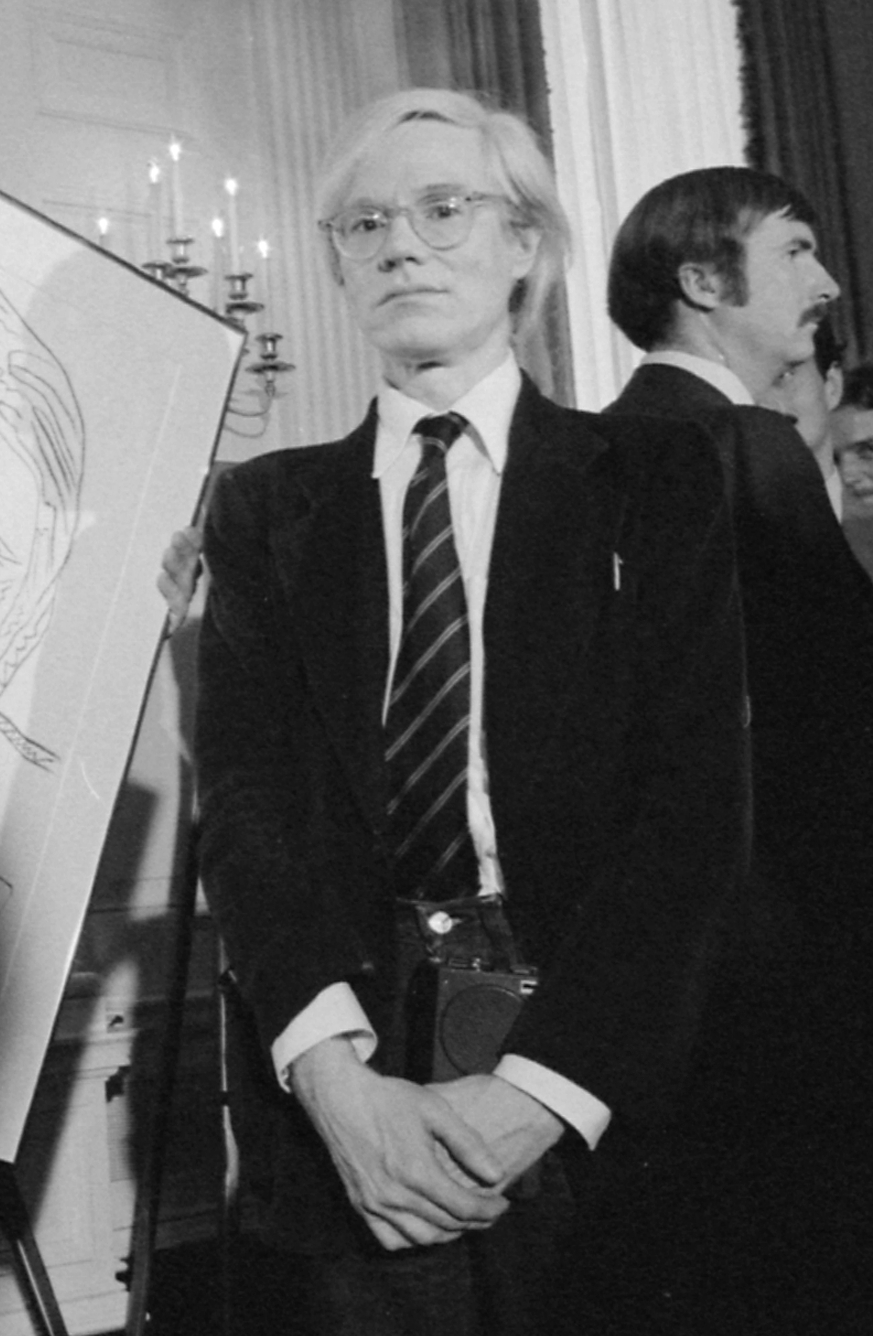
Public domain · Wikimedia Commons
Our reinterpretations
No reinterpretations are live in the library yet for this method. The pipeline is registered in lib/derivatives/treatments/warhol-shadows.ts; curator-promoted units will appear here as they ship.