Encyclopedic Museums
The Metropolitan Museum of Art
New York, New York · founded 1870
The Met is the closest thing the United States has to the Louvre — five thousand years of human image-making held under one roof on Fifth Avenue, and a collection deep enough that any single department would be a major museum elsewhere. The encyclopedic ambition is the point: the curators are arguing, every time you walk through, that the history of looking is a single conversation.
Vela's library leans on the Met more than on any other institution. The 19th-century European painting galleries — Degas in particular, where the Met's holdings are among the densest in the world — set the reference standard for our figurative-art readings. The American Wing carries the Sargent, the Eakins, the Homer marines that anchor any conversation about how the American eye learned to see the body. The Greek and Roman antiquities and the medieval treasury hold the deep-time material the Renaissance galleries presuppose. And the Asian Art galleries — the rebuilt Ming scholar's courtyard, the South Asian sculpture hall, the Japanese painting screens — are where the museum quietly insists that figurative art is not a European invention.
The Met's Open Access program (released 2017) put a meaningful slice of the collection into the public domain as high-resolution files. That decision is the structural reason Vela can hold any Met-sourced image at all. We point readers back to the museum's collection database for the full holdings; what we surface is a working subset, chosen for what it teaches about how a body in paint becomes a body in attention.
The Met operates as a museum of maximum ambition: its encyclopedic mandate encompasses nearly all geographies and historical periods, which shapes how it presents itself—not as a focused argument but as a repository of coexistence. The building, a Beaux-Arts structure expanded repeatedly across its Fifth Avenue footprint, conveys this through spatial accumulation rather than narrative progression. Viewers navigate according to whim or exhaustion, moving between Egyptian tombs and contemporary photography, between European paintings and Islamic manuscripts, in sequences dictated by architectural accident as much as curatorial intent. The collection's scale permits a particular kind of looking: sustained comparative attention across cultures and centuries. A visitor might examine how different societies rendered the human face, or trace material innovation—bronze-casting techniques, pigment chemistry—across dispersed holdings. The Met rewards this kind of lateral thinking, which requires time and a tolerance for aesthetic discontinuity. The institution itself seems to assume a viewer capable of holding multiple visual traditions in mind simultaneously, without resolving them into hierarchy. This affects everything: the installation density, the minimal interpretive text in many galleries, the assumption that context emerges from adjacency and formal relationship rather than didactic labeling. The effect is both democratic and demanding—a collection that claims to contain everything will teach those who visit carefully that mastery is impossible.
Signature collections
The Met's strength in Greek and Roman sculpture remains foundational; the galleries present an archive of figuration across three centuries of Greco-Roman practice, from archaic conventions through Hellenistic individualism to imperial portraiture. American paintings and decorative arts constitute another major holding, particularly strong in the nineteenth century. European old master paintings—notably Italian Renaissance and Northern European schools—anchor the second floor; the collection includes sustained representation of Rembrandt, Vermeer, and others central to the Western canon. The museum's African, Asian, and Islamic collections function less as historical surveys than as parallel genealogies of form and material. Photography and contemporary art occupy newer wings, expanding the definition of what the collection contains. Throughout, figuration persists across cultures and media: whether in Japanese woodblock prints, Indian miniatures, West African sculpture, or nineteenth-century American portrait practice. The Met's organizing principle remains accumulation rather than argument—a structure that permits seeing representation as a constant human preoccupation, expressed through radically different conventions and materials.
Works from The Metropolitan Museum of Art
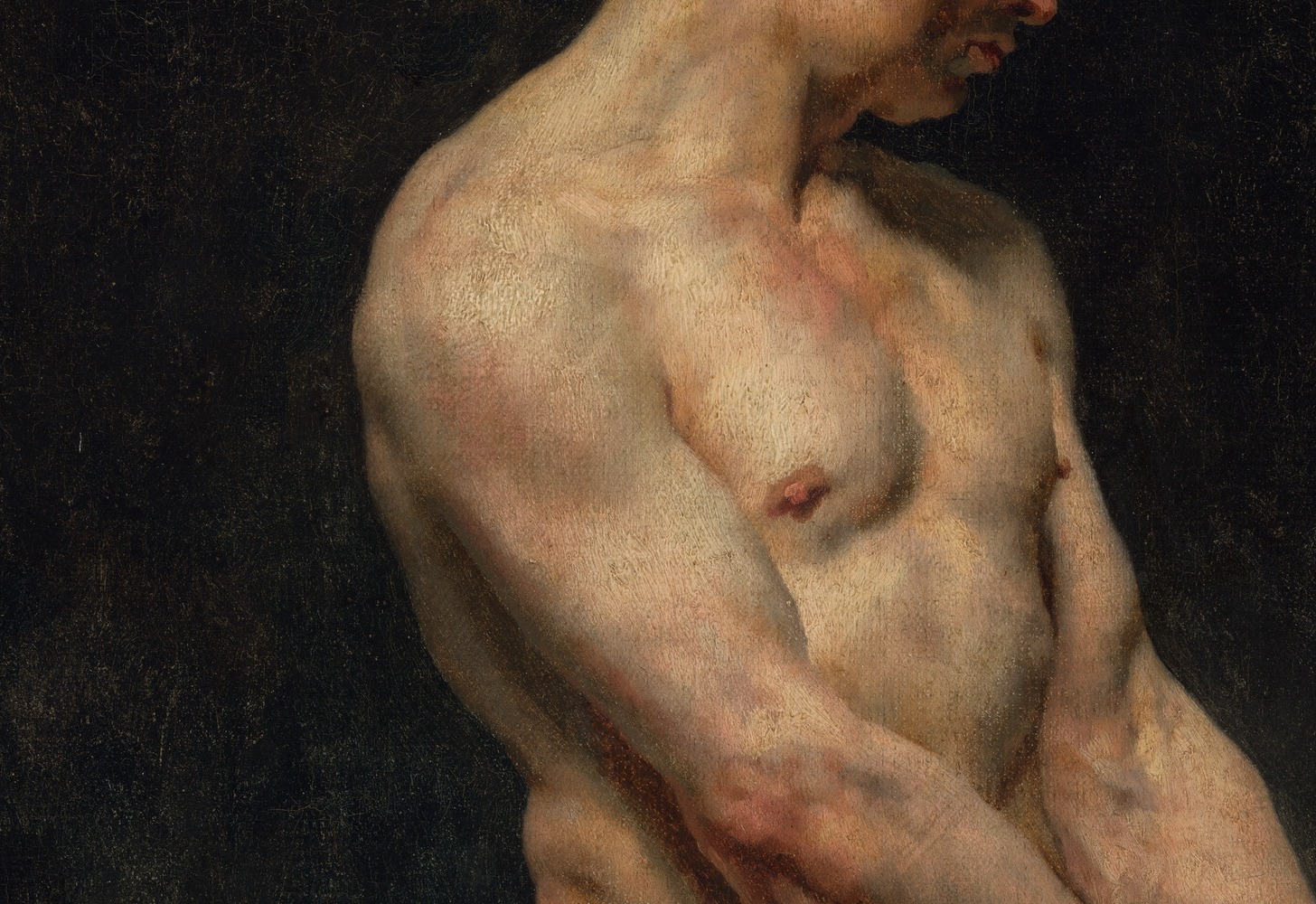
Breath Held Against the Dark
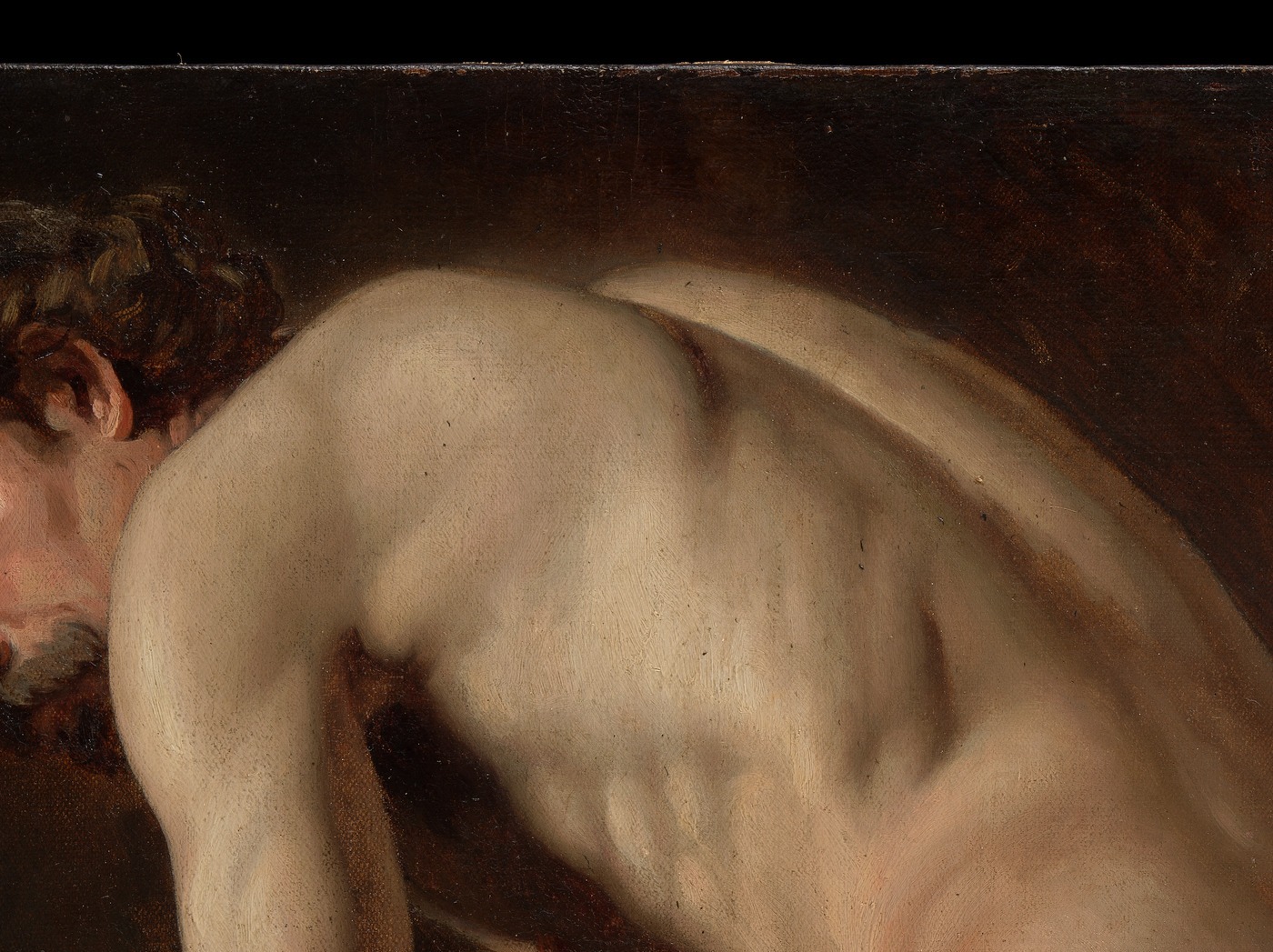
What He Will Not Show Us
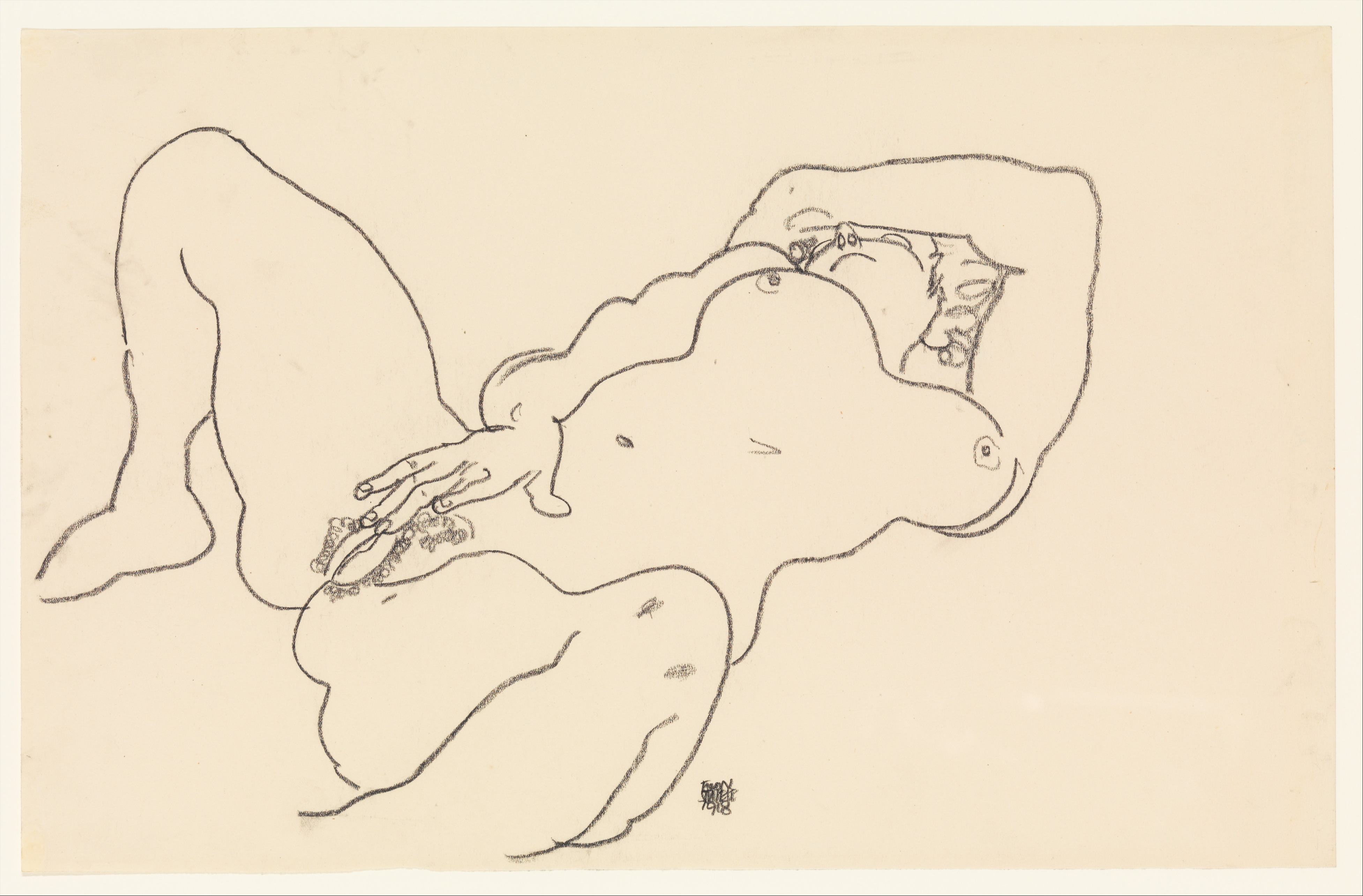
Reclining Figure in Repose
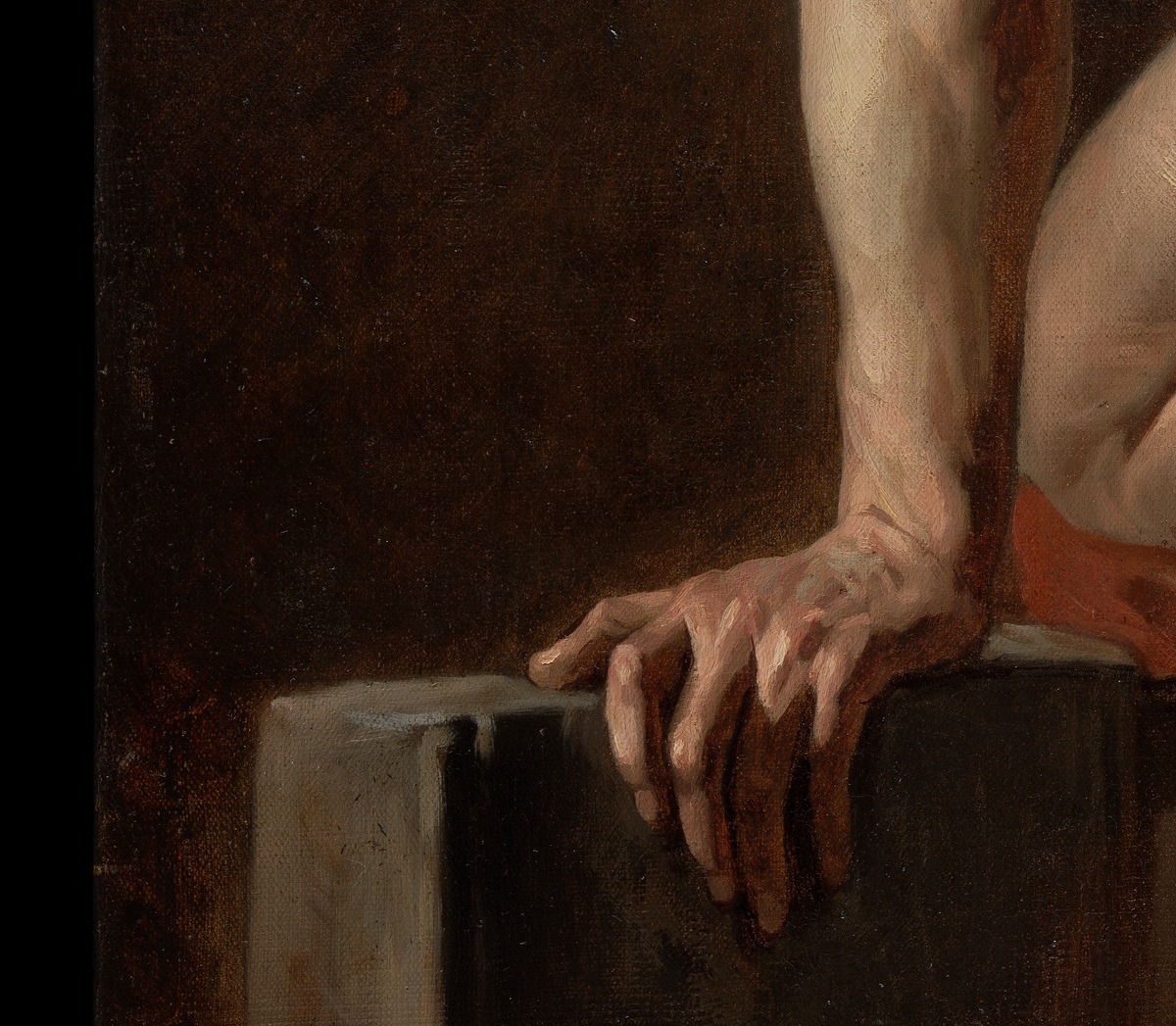
The Weight of Holding
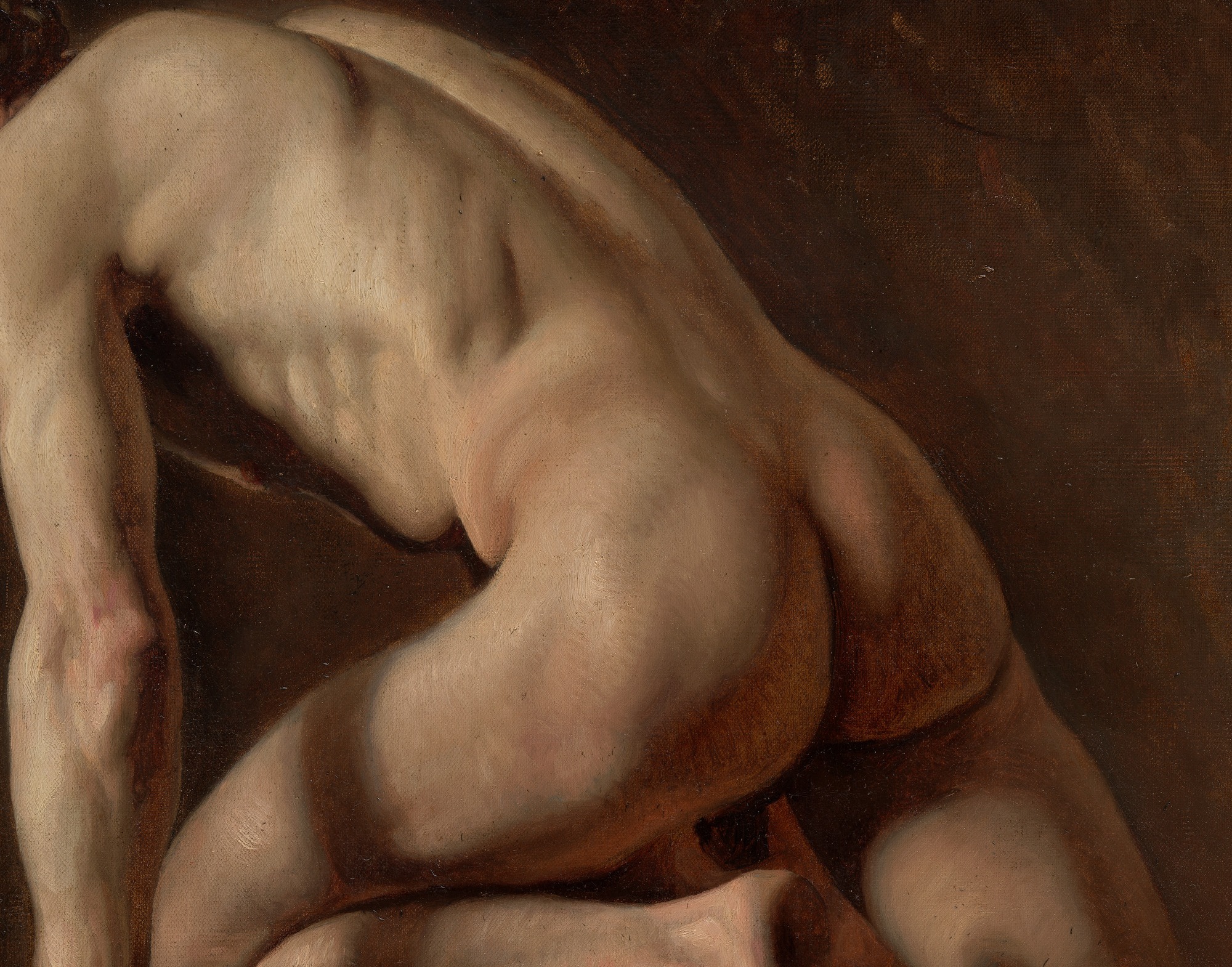
Terrain of Surrender
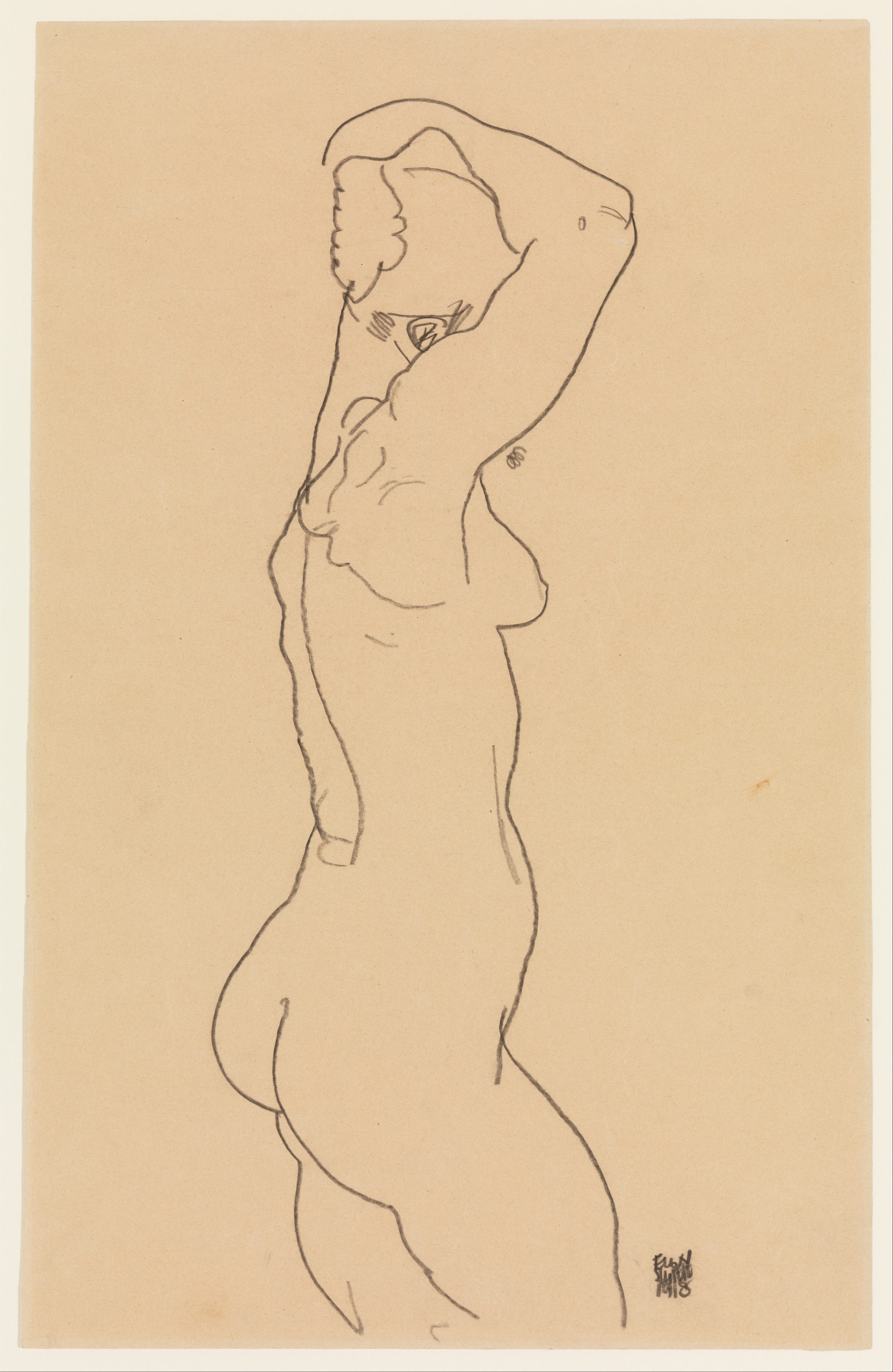
Standing Nude with Arms Raised (after Schiele)
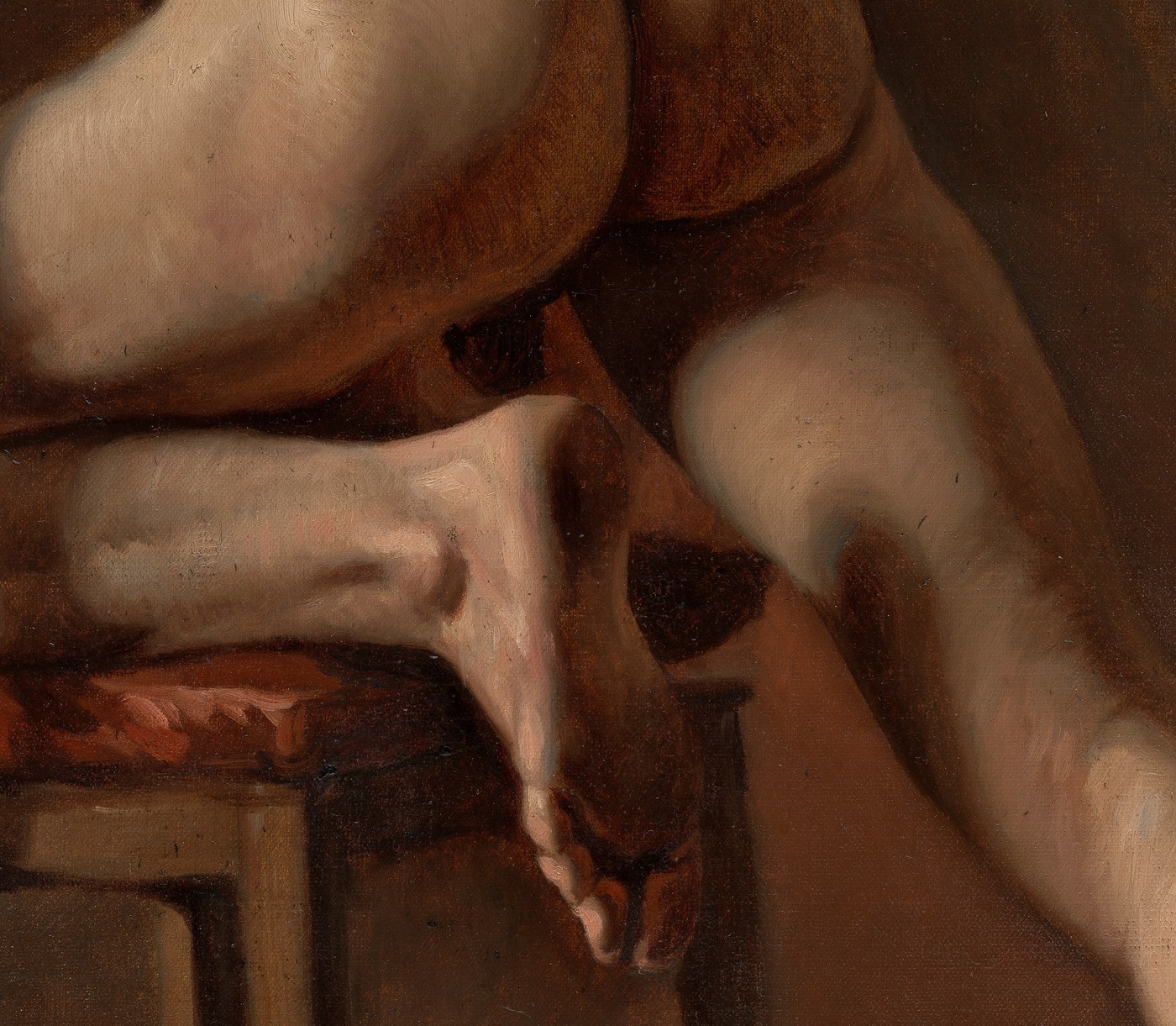
Where Shadow Begins
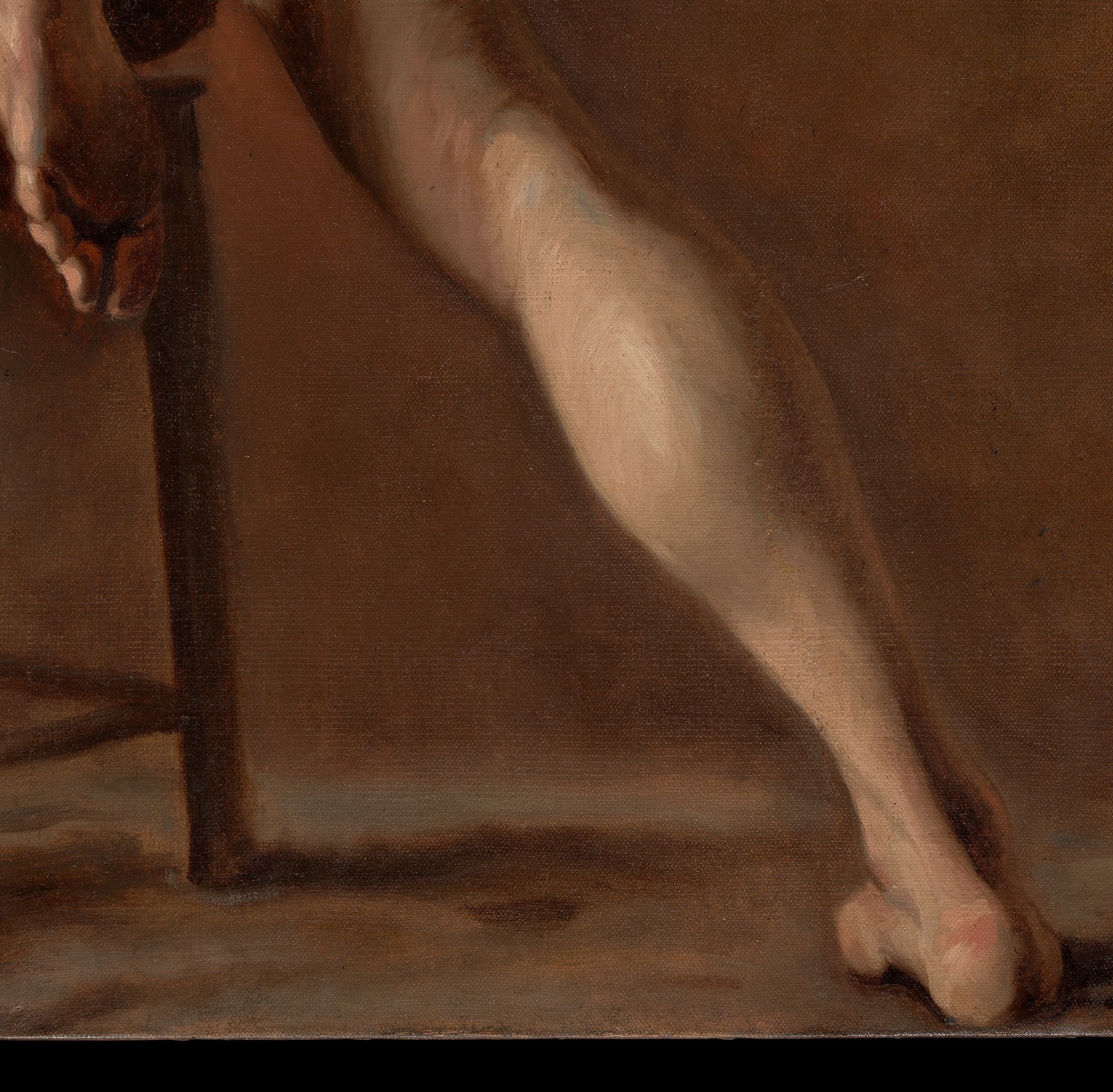
The Last Muscle
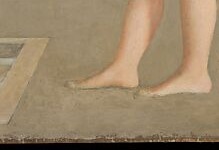
Barefoot on Cold Stone
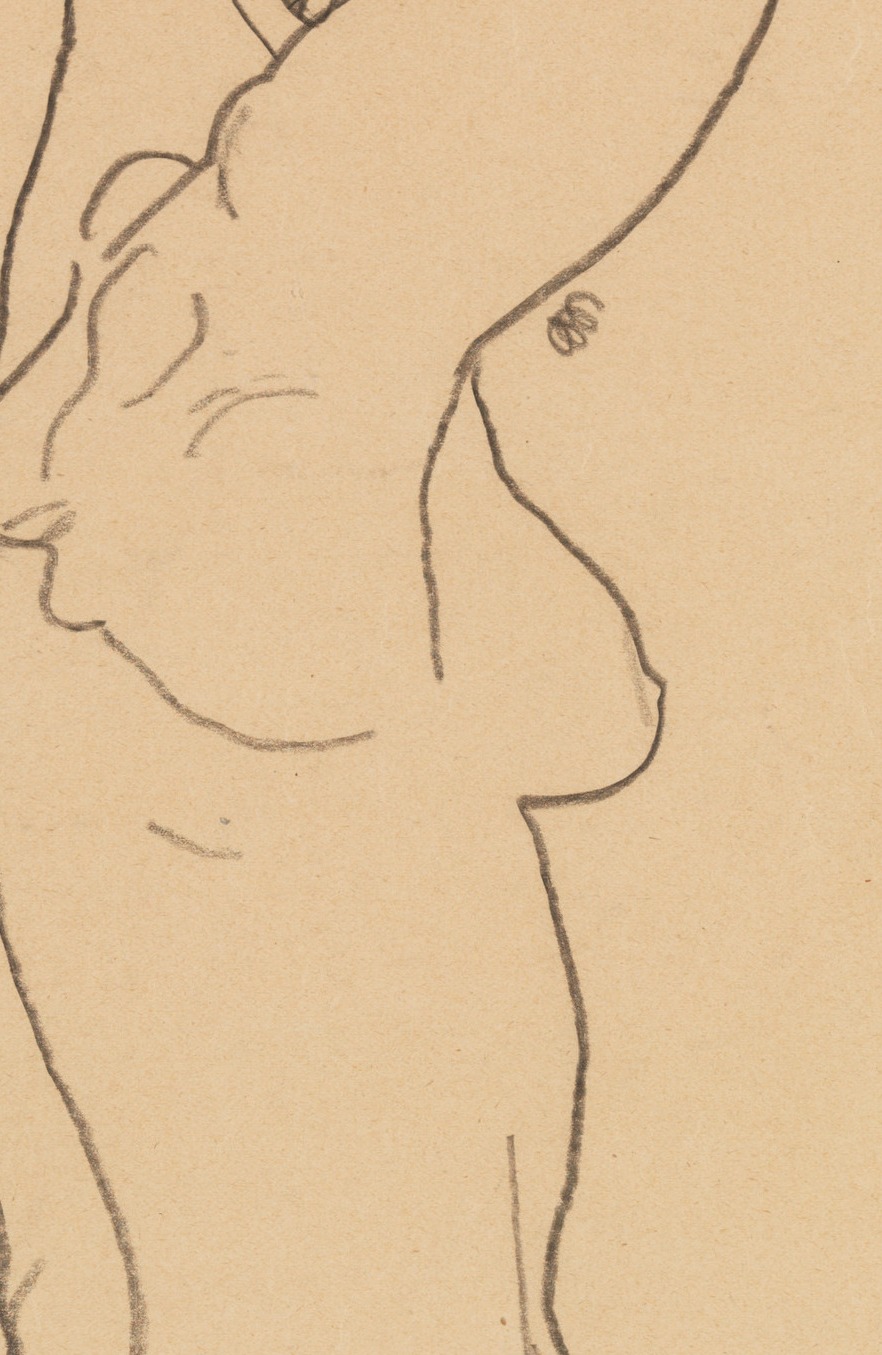
Contour as Breath
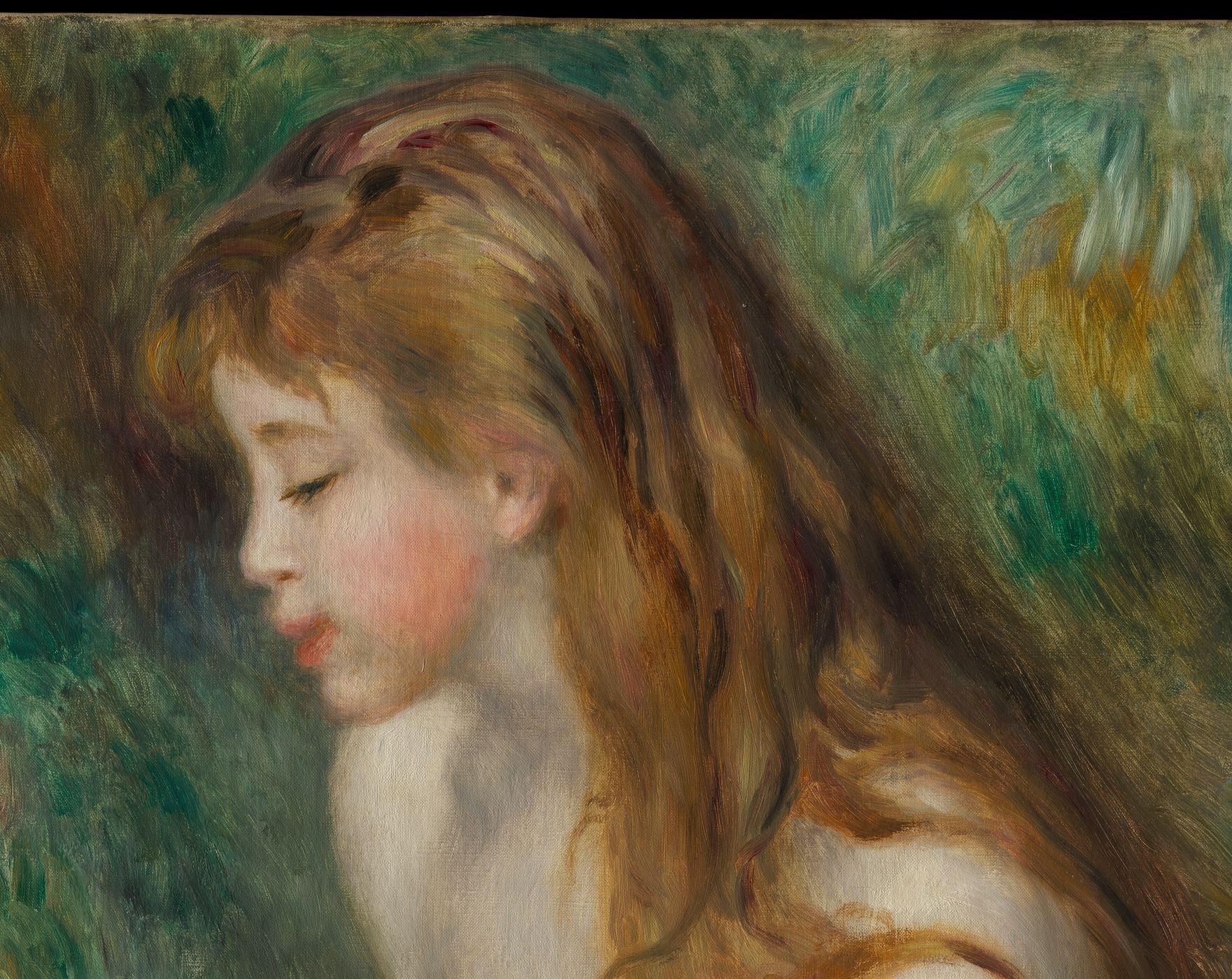
Copper Falling
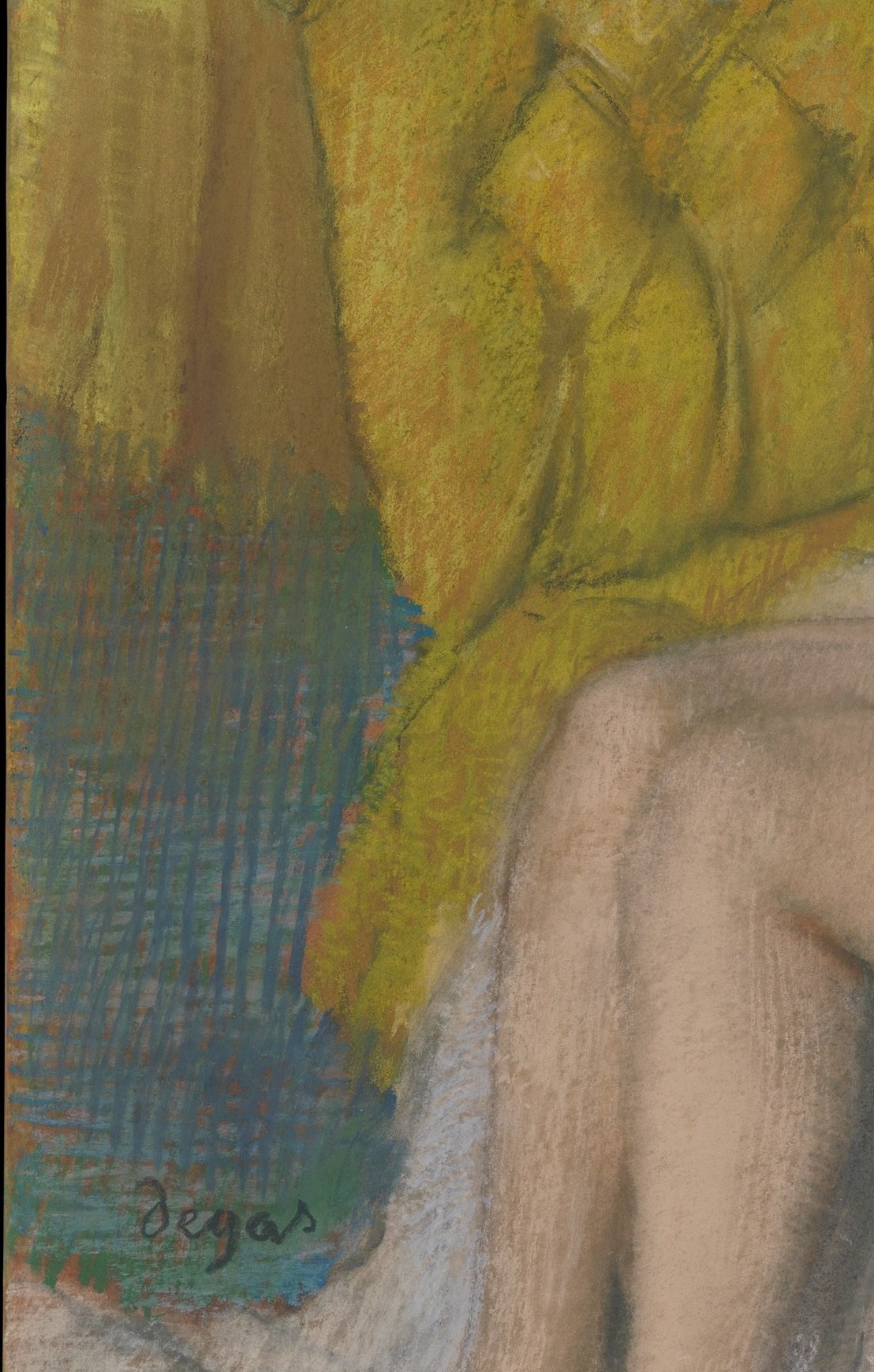
Cloth and Cushion
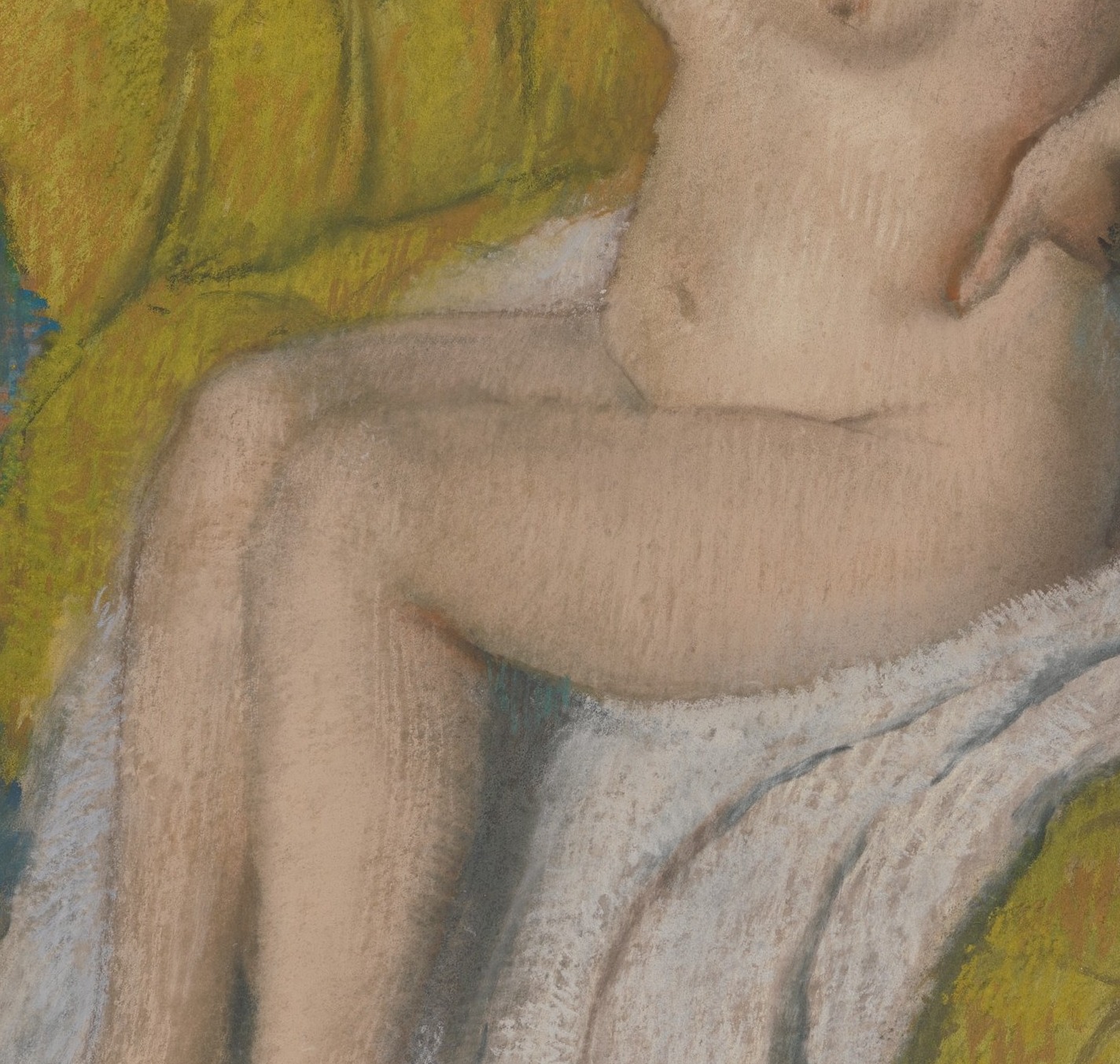
Hand at the Hip
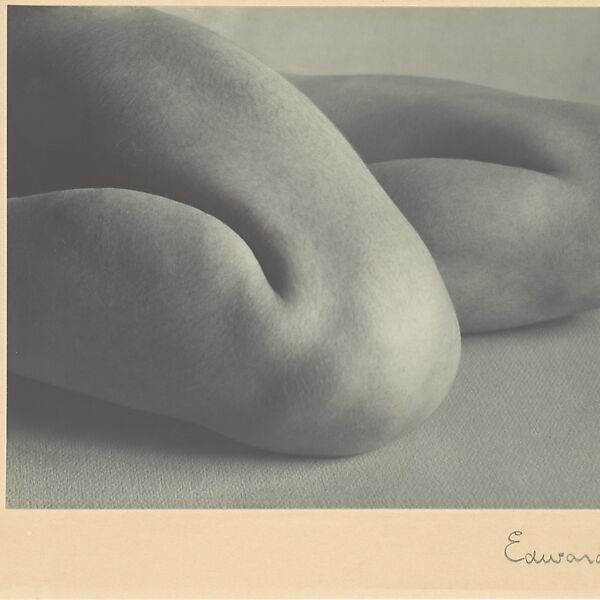
Nude
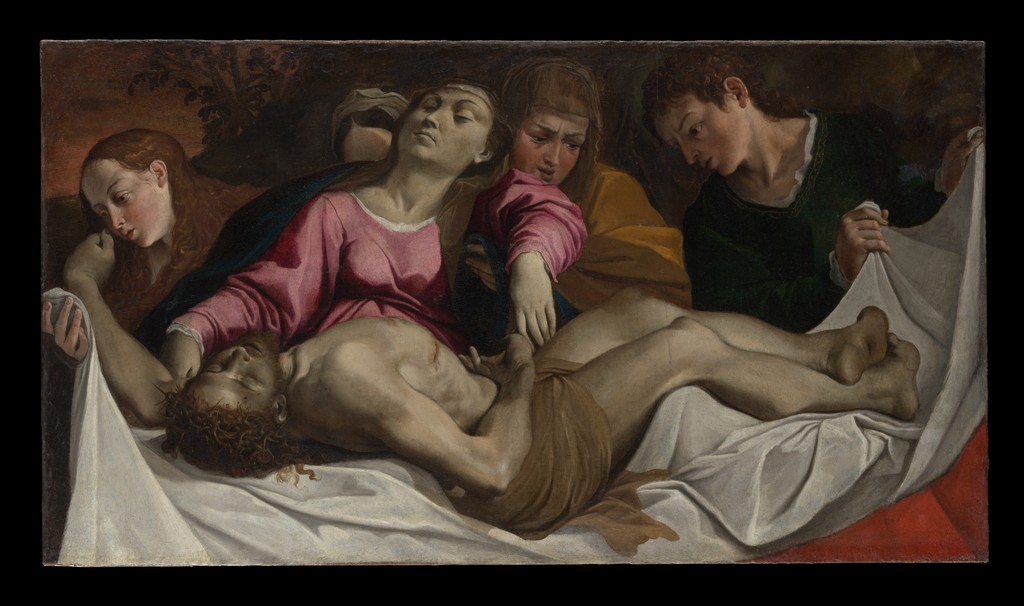
The Weight of Grief
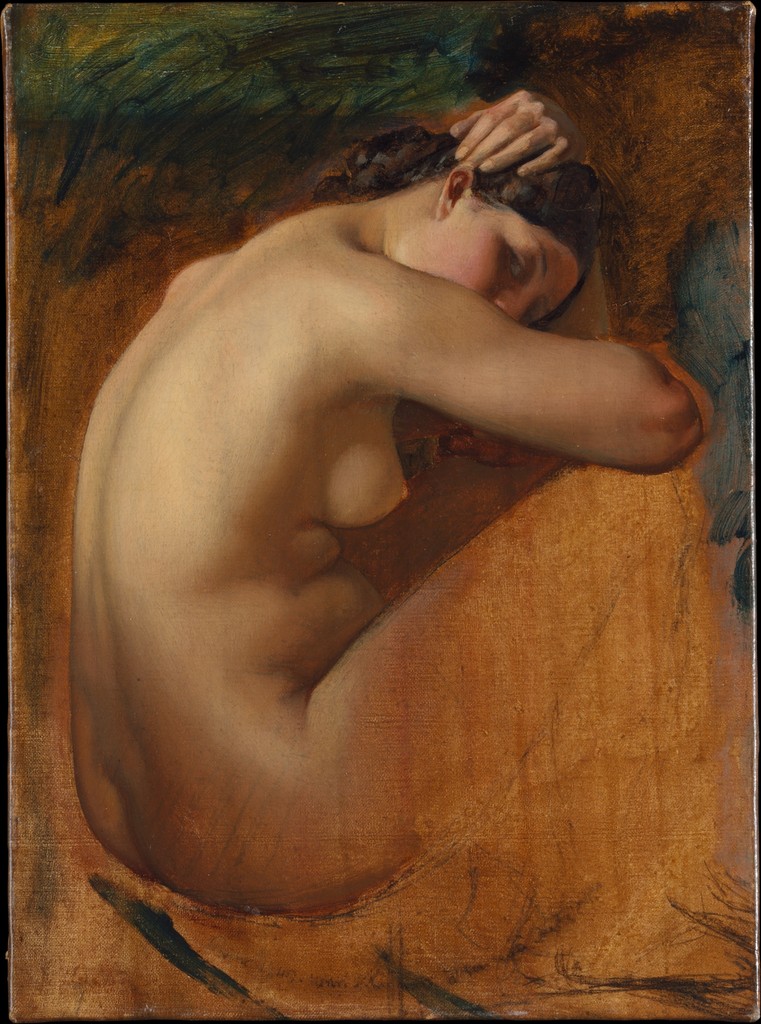
Study in Repose
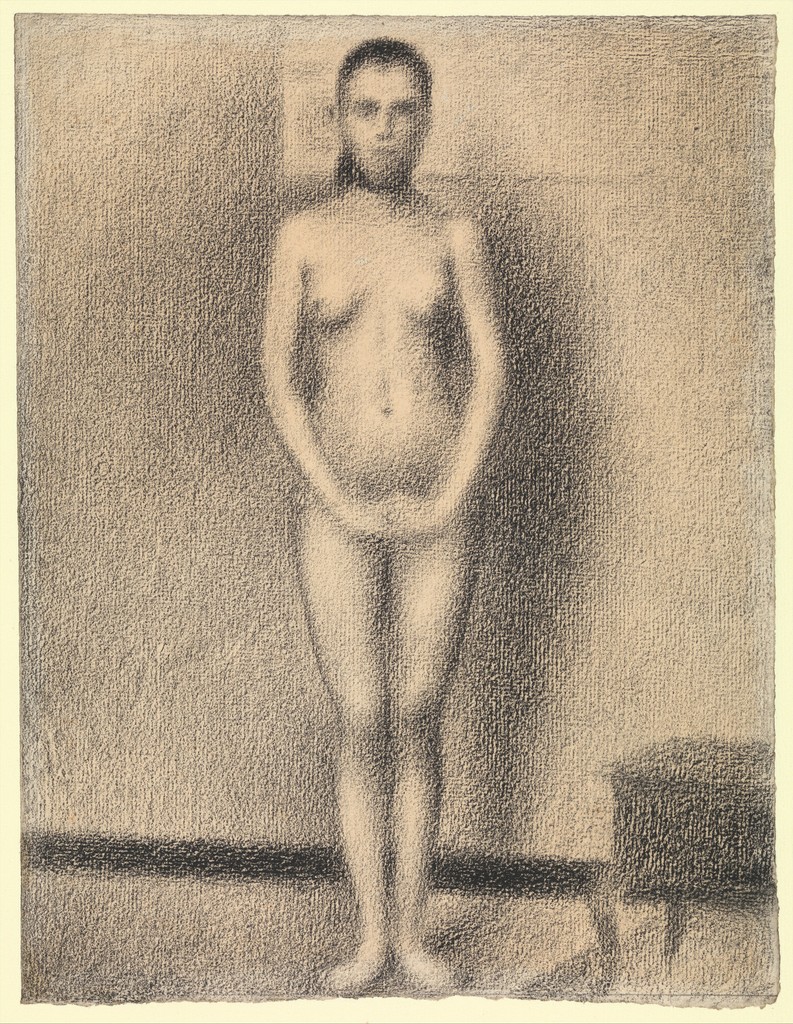
Study in Stillness
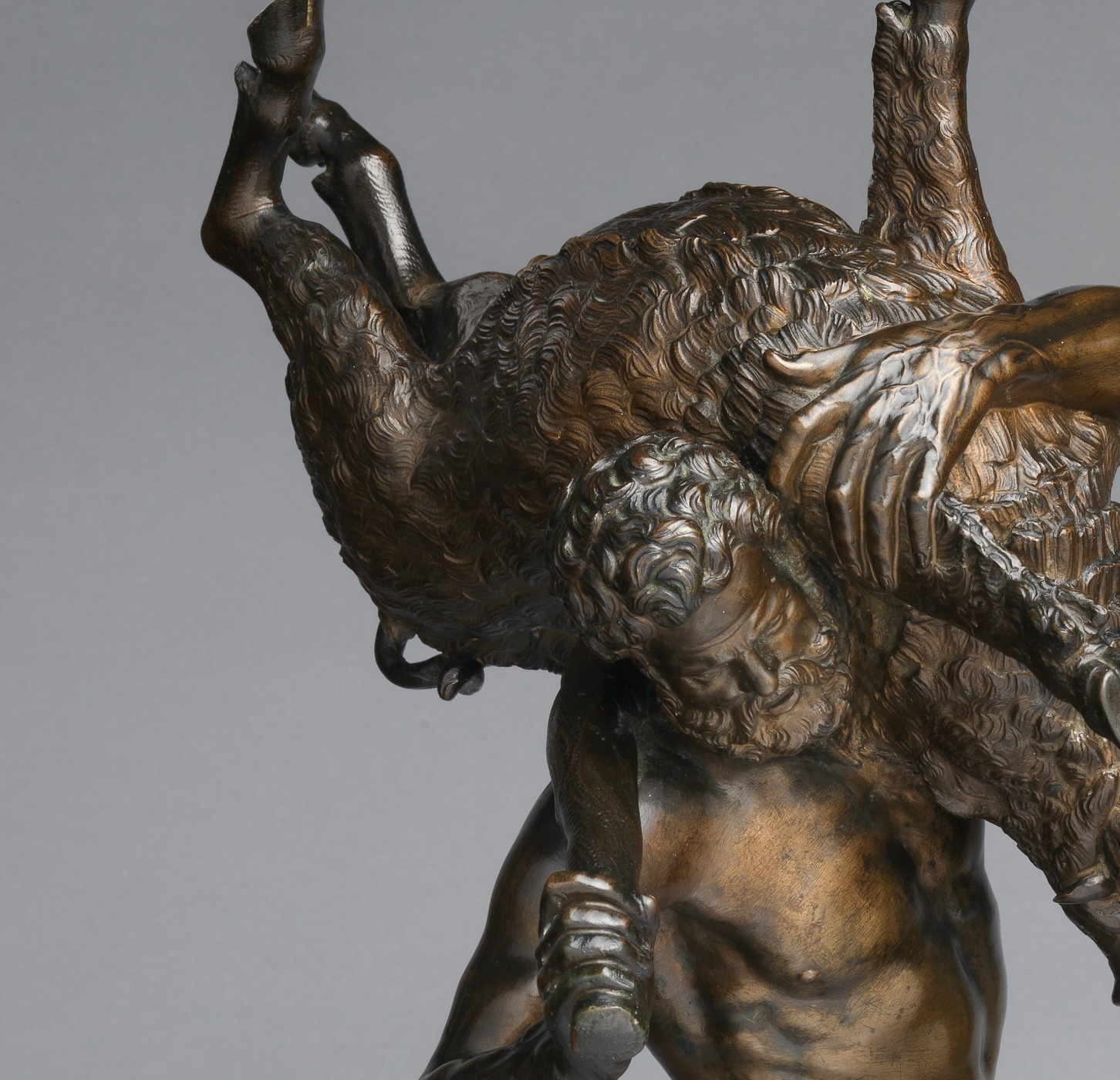
Beneath the Beast
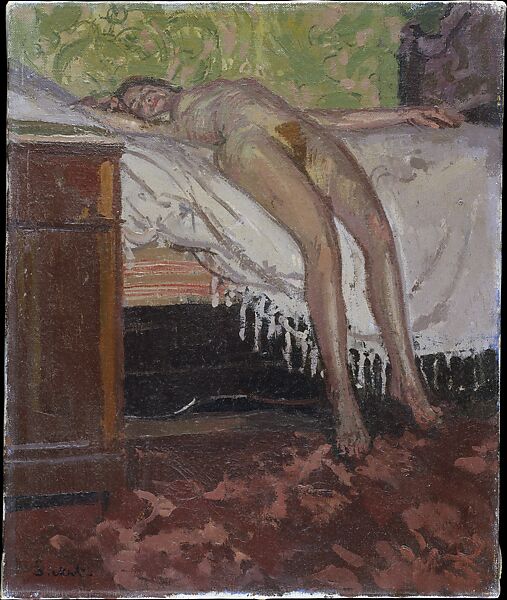
Reclining Nude (Thin Adeline)
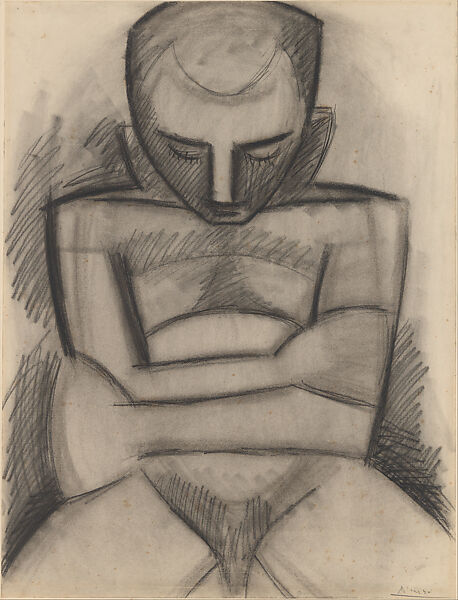
Seated Nude
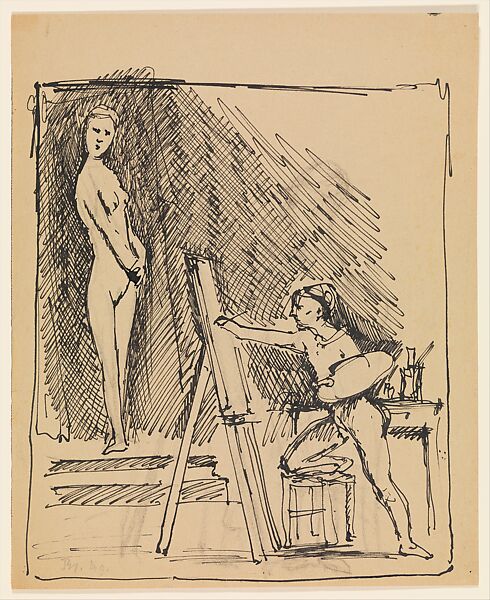
Artist and Model
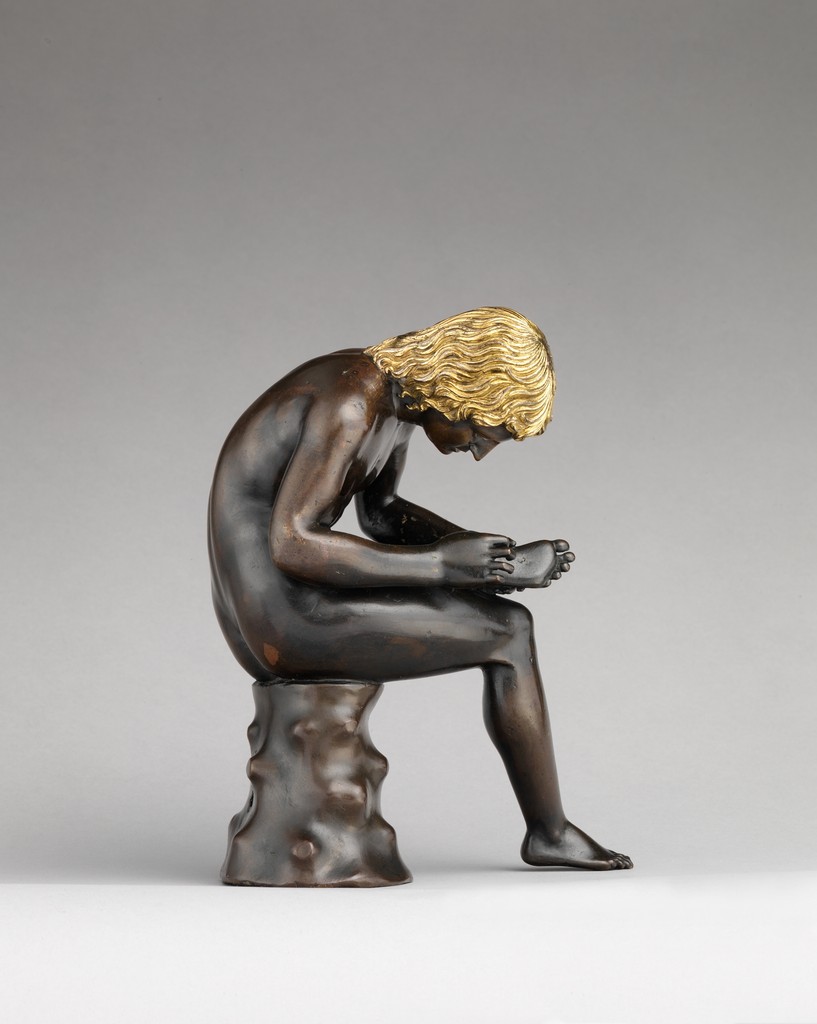
Spinario — Boy with Thorn
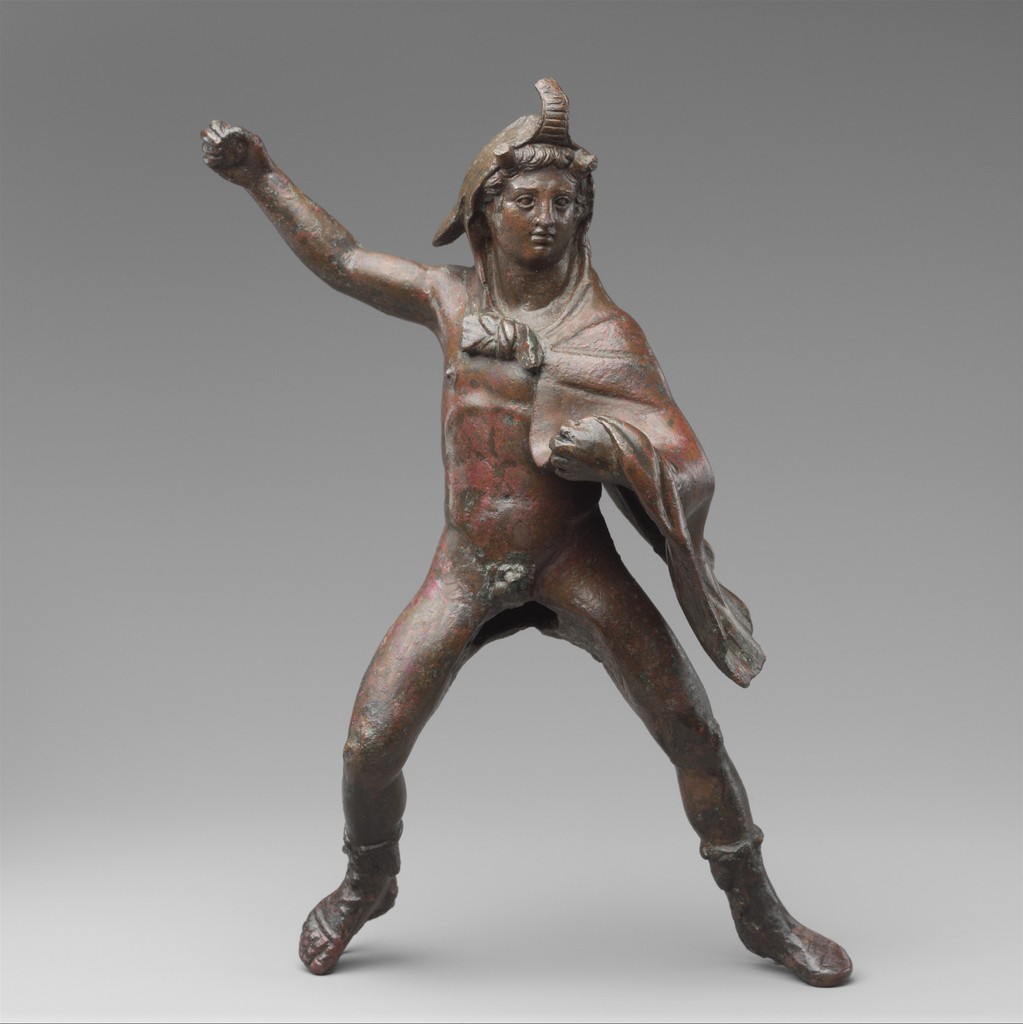
Bronze Rider with Elephant Skin
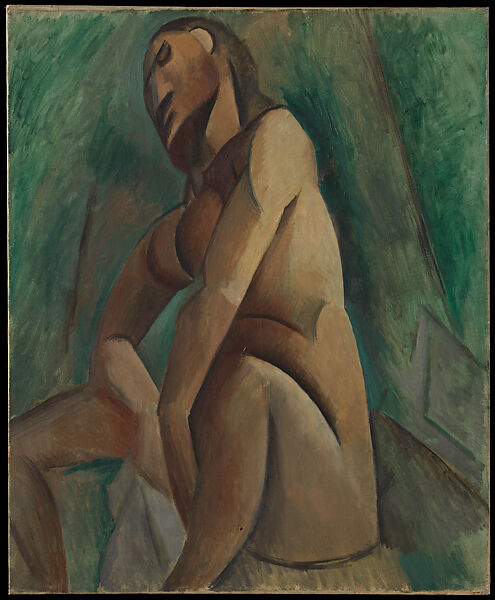
Seated Female Nude
Artists collected at The Metropolitan Museum of Art
- Edgar Degas6 works
- Antico (Pier Jacopo Alari Bonacolsi)3 works
- Giovanni Battista Tiepolo3 works
- Auguste Renoir2 works
- Auguste Rodin2 works
- Georges Seurat2 works
- Gustave Courbet2 works
- Jean Antoine Houdon2 works
- Alessandro Vittoria (Alessandro Vittoria di Vigilio della Volpa)1 work
- Anders Zorn1 work
- Andrea Briosco, called Riccio1 work
- Antonio Susini1 work
- Barthélemy Prieur1 work
- Domenico Tintoretto1 work
- Donatello1 work
- Edmund Austin Stewardson1 work
- Etienne-Maurice Falconet1 work
- Federico Barocci1 work
- Fra Filippo Lippi1 work
- Guercino (Giovanni Francesco Barbieri)1 work
- Guido Reni1 work
- Henri Lehmann1 work
- Jacques de Gheyn II1 work
- Jacques Louis David1 work
In the magazine
Read alongside
- The Art Institute of Chicago
The other great American encyclopedic — the Met's Impressionist hand is deep; ARTIC's is denser. Read them as a pair on how French 19th-century painting reached the United States.
- National Gallery of Art
Washington's encyclopedic counterpart — younger institution, federal mandate, different acquisition philosophy. The Met collected outward; the NGA was built around private gifts.
- The Frick Collection
Five blocks south on Fifth Avenue — Henry Clay Frick's private collection, hung in the house where he lived. Read the two on the same afternoon and the encyclopedic-vs-domestic distinction sharpens.
Through another lens
- AweEmotion
The Met is one of the small number of places where most American visitors first encounter the scale at which figurative art has been made. The encounter has a shape; the emotion profile names it.
- LongingEmotion
The Egyptian and antiquities galleries are organized around objects that were made for the dead. The longing they carry is part of the curation, even when the wall text doesn't say so.