Encyclopedic Museums
The Art Institute of Chicago
Chicago, Illinois · founded 1879
The Art Institute holds one of the deepest collections of French 19th-century painting outside Paris — the Caillebotte Paris Street; Rainy Day, the Seurat Sunday on La Grande Jatte, the Renoir Two Sisters, the Degas dancers in pastel and bronze. The collection started in 1879 with a working argument: Chicago, less than a decade out of the Great Fire, was going to be the kind of city that took painting seriously.
Vela reads the Art Institute through the Impressionists and Post-Impressionists most directly — the corpus of Degas works in the collection is the densest anywhere in the United States, and our library leans on that density when we write about the body in motion. The Caillebotte sets the high-water mark for how a city street can be made to hold the weight of a single afternoon; the Seurat is the canonical instance of a painting that proves a theory and outlives it. Beyond the headline holdings, the museum's photography collection (Stieglitz onward) and the contemporary wing extend the argument forward.
The building itself is part of the reading. The original 1893 World's Columbian Exposition structure faces Michigan Avenue with two bronze lions; the Modern Wing opened in 2009 across Monroe Street, the pedestrian bridge connecting them to Millennium Park. The decision to keep both campuses and let visitors choose their entry shapes the curatorial flow — you can enter through 19th-century Europe or through Gerhard Richter and the route changes what you see. The museum makes a large portion of the collection freely available as high-resolution downloads; that openness is the structural reason Vela can hold a working slice of the holdings at all.
The Art Institute of Chicago operates as an encyclopedic survey rather than a focused collection, its scope both a strength and a kind of productive constraint. The building itself—Beaux-Arts, monumental, sited on Michigan Avenue—establishes a certain visual grammar: the museum presents itself as a comprehensive repository, a space where historical continuity matters. The collection spans Egyptian antiquities through contemporary work, but the museum's particular gravity settles on American painting and European modernism, especially the post-Impressionist holdings. The architectural experience rewards slow looking; the galleries maintain classical proportions that resist the drift of contemporary museum design toward spectacle. A visitor oriented toward narrative—the development of form, the dialogue between traditions—finds more to sustain attention here than one seeking novelty. The figurative tradition persists across the collection without dominating it; the museum treats painting, sculpture, and works on paper as equal registers of historical argument rather than hierarchizing medium. The scale can feel overwhelming, which is partly intentional. The institute assumes an educated viewer, one comfortable with difficulty and with the premise that understanding art requires time spent in proximity to objects.
Signature collections
The museum holds significant strength in nineteenth-century European painting, particularly French work from the 1870s onward—Monet, Cézanne, and others whose formal investigations shaped modernism. American Regionalism and mid-century abstraction anchor the American holdings. The collection includes important examples of photography and decorative arts, the latter reflecting the museum's curatorial tradition of treating craft and fine art as continuous concerns. Medieval and Renaissance works appear in depth, though not with the architectural emphasis of certain European institutions. Non-Western collections—African, Asian, pre-Columbian—exist in the encyclopedic framework but do not rival the European and American sections in prominence. The sculpture collection spans periods and geographies but remains secondary to painting in the institution's visual narrative. Figurative work appears throughout: American portraiture, European figure painting, contemporary practice. The collection's shape reflects institutional choices made over more than a century; what remains visible is less a neutral archive than a series of historical priorities made legible through accumulation.
Works from The Art Institute of Chicago
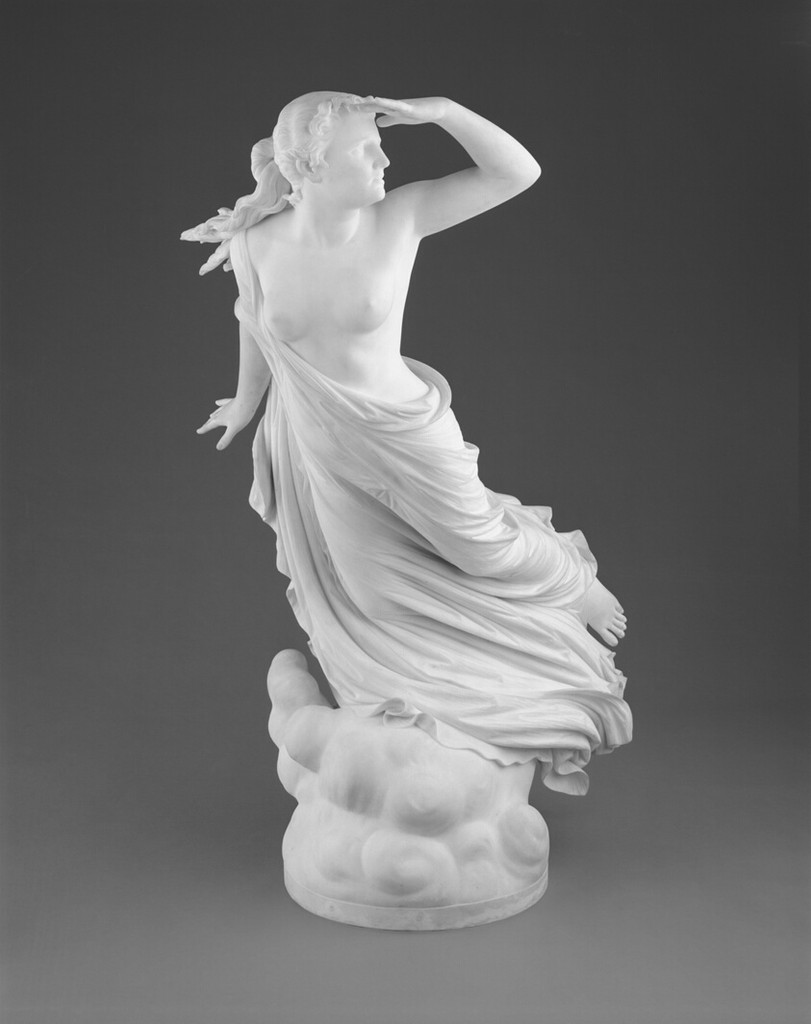
The Lost Pleiad
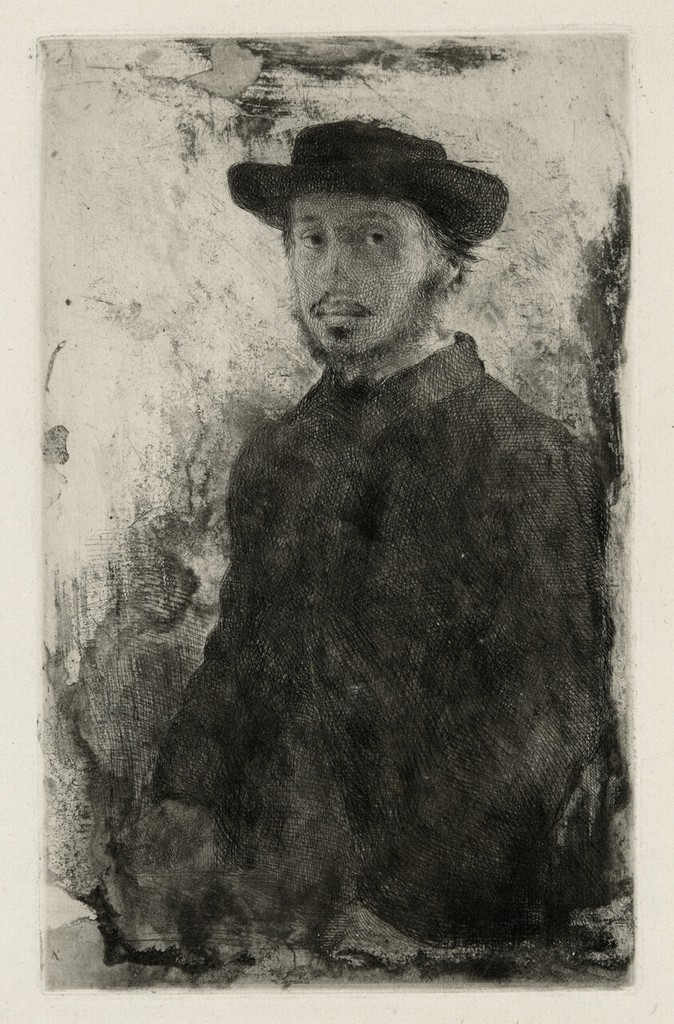
Self-Regard in Shadow
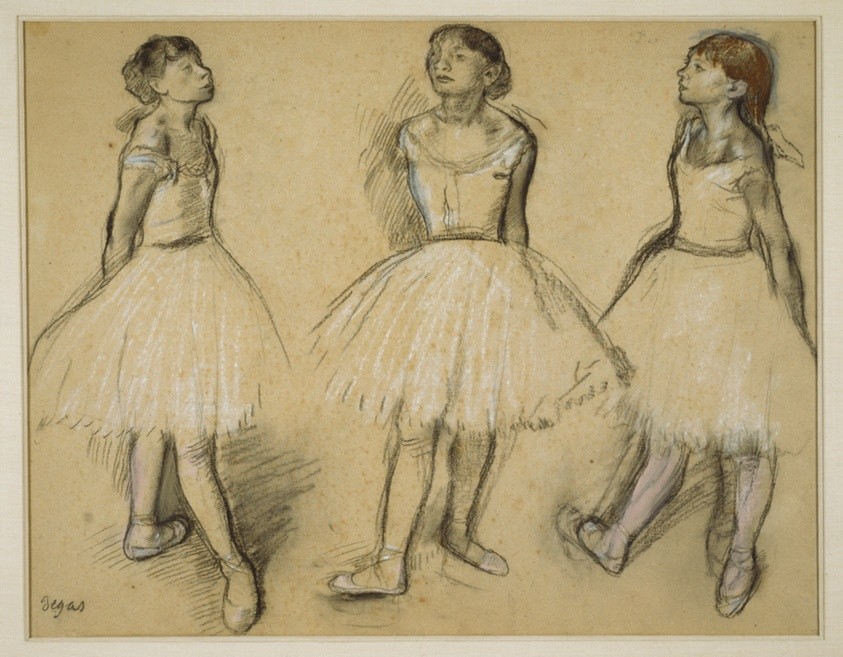
Three Studies in Fourth Position
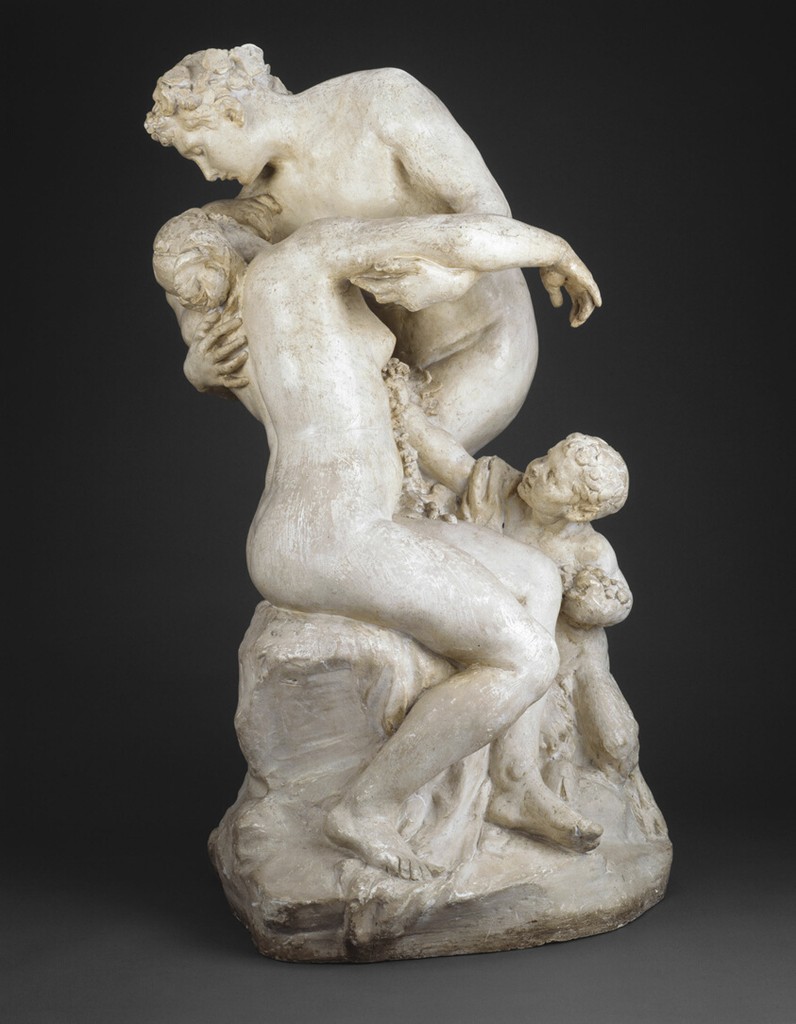
Consolation in Stone
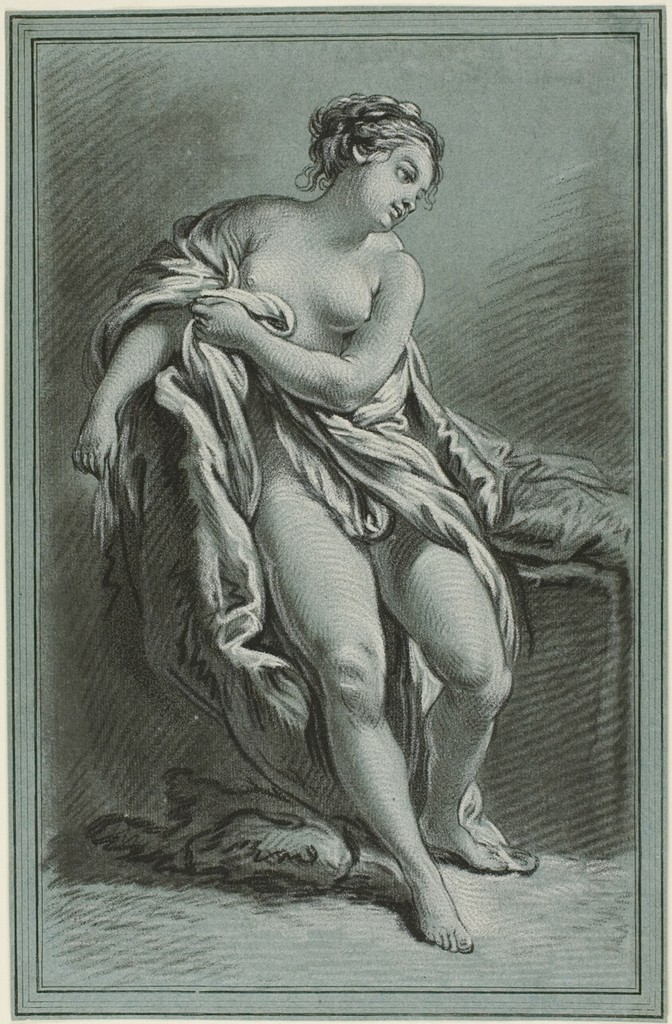
The Bather After Bonnet
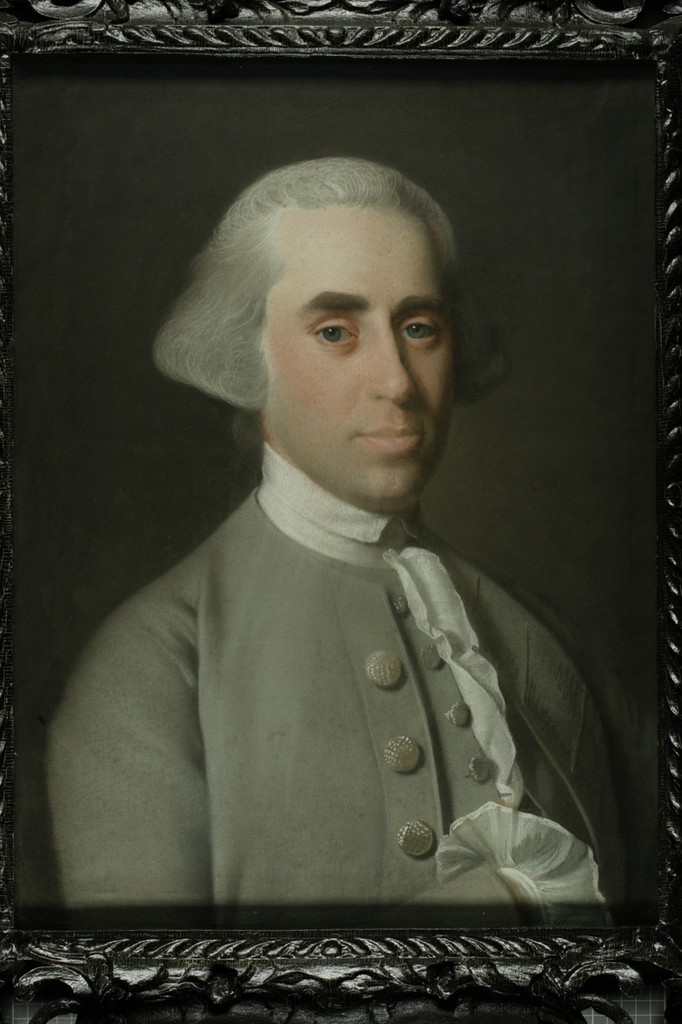
Henry Hill, After Copley
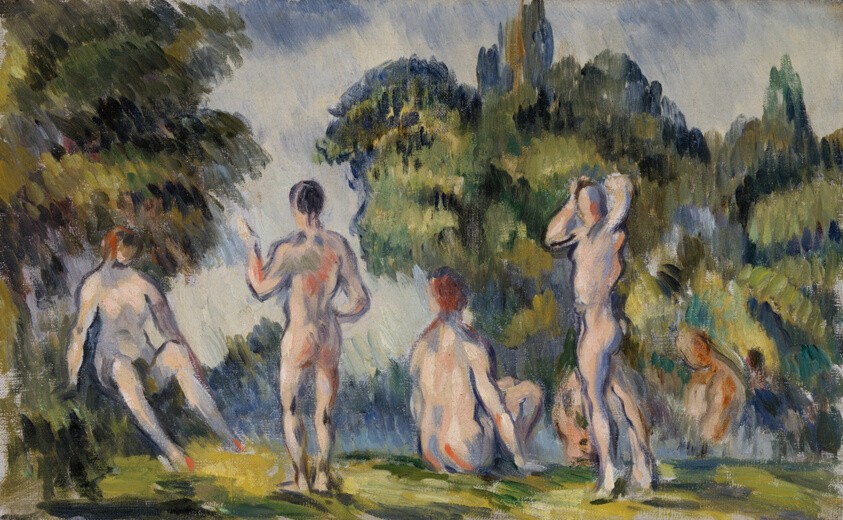
Bathers at the River's Edge
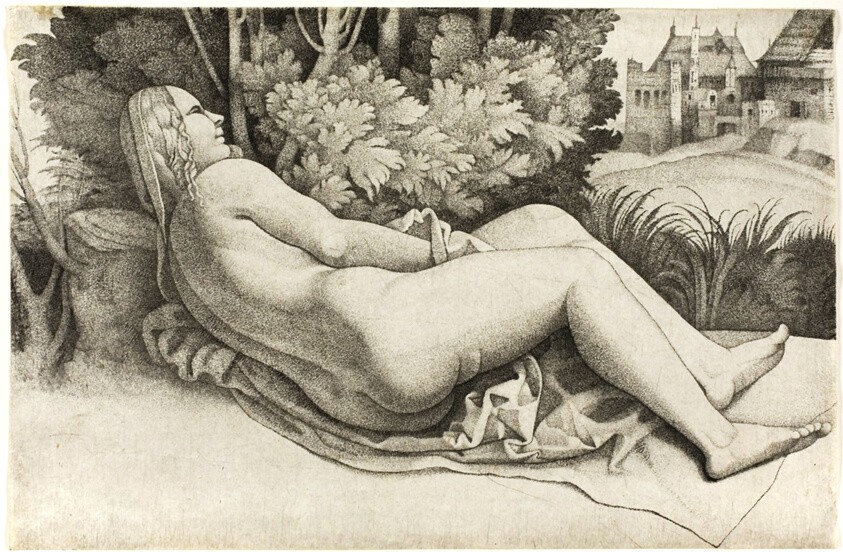
Reclining Venus in Arcadia
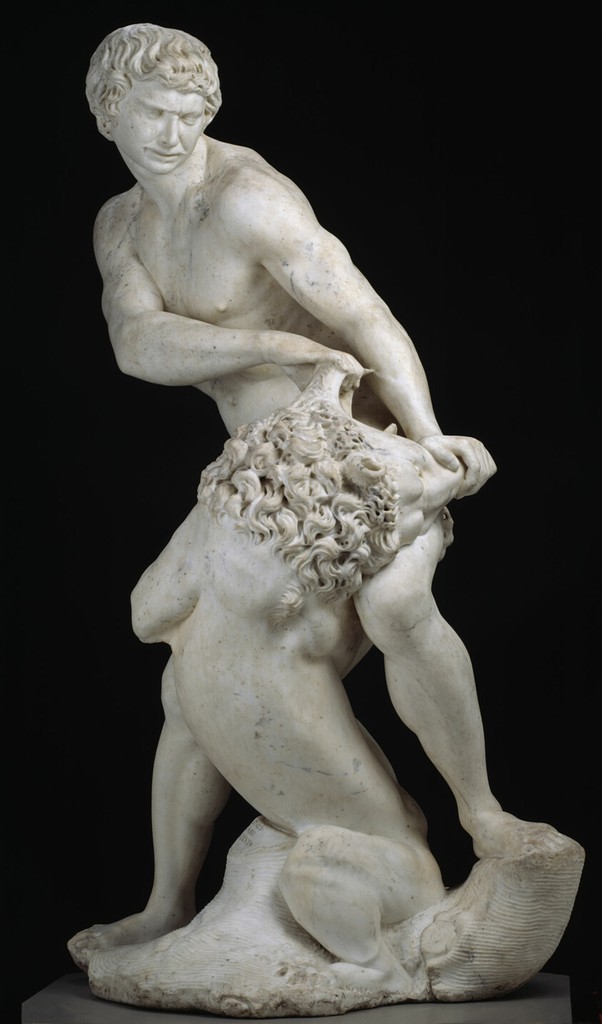
Samson and the Lion
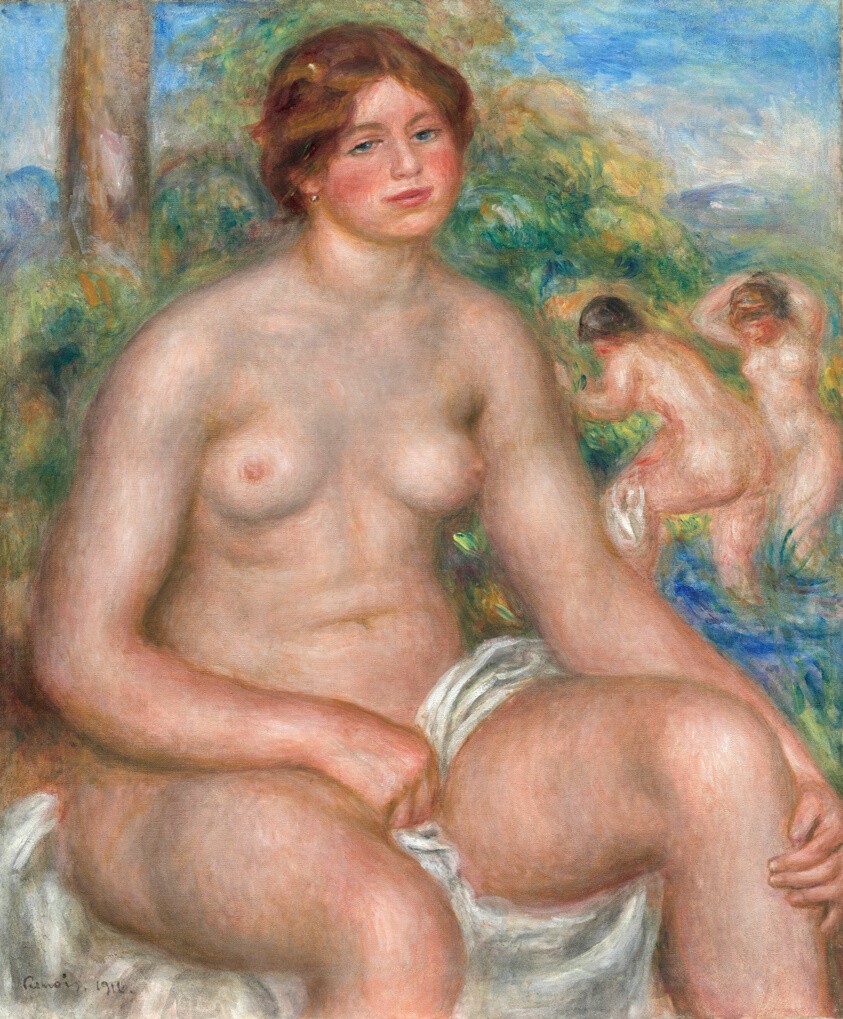
Seated Bather in Afternoon Light
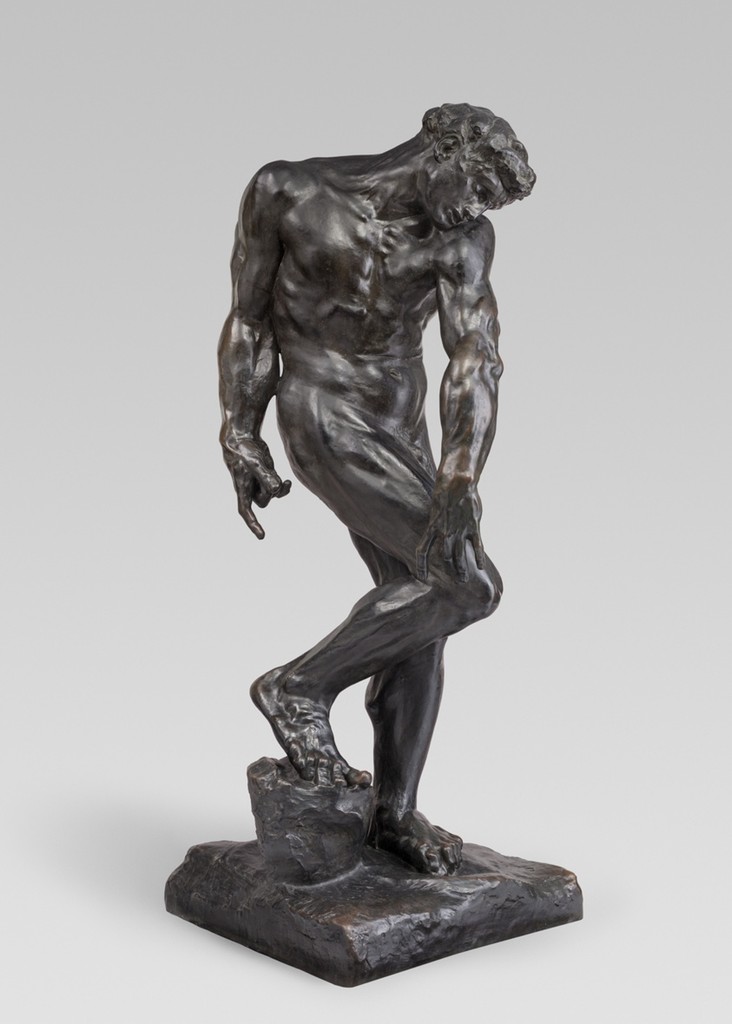
The Weight of Knowledge
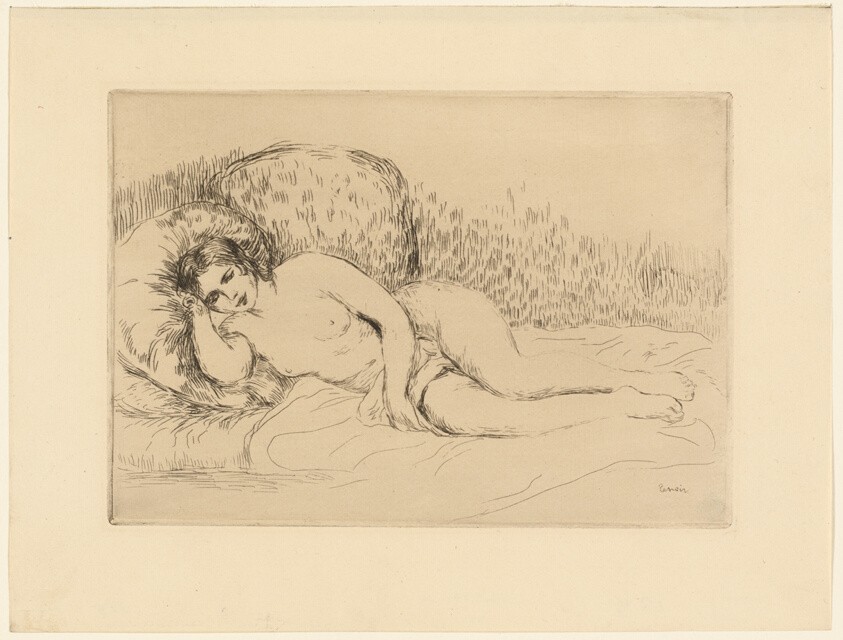
Repose in Ink
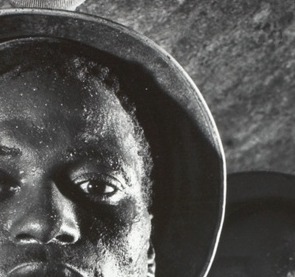
From Below the Earth, He Looks Back
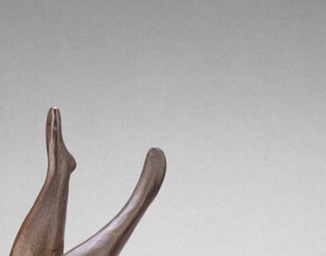
Ascent
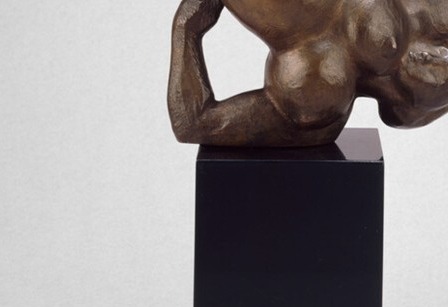
Atlas in Repose
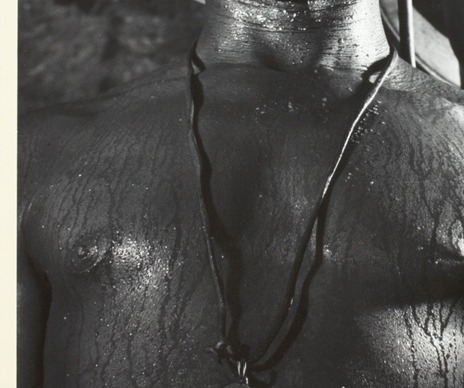
Cartography of Sweat
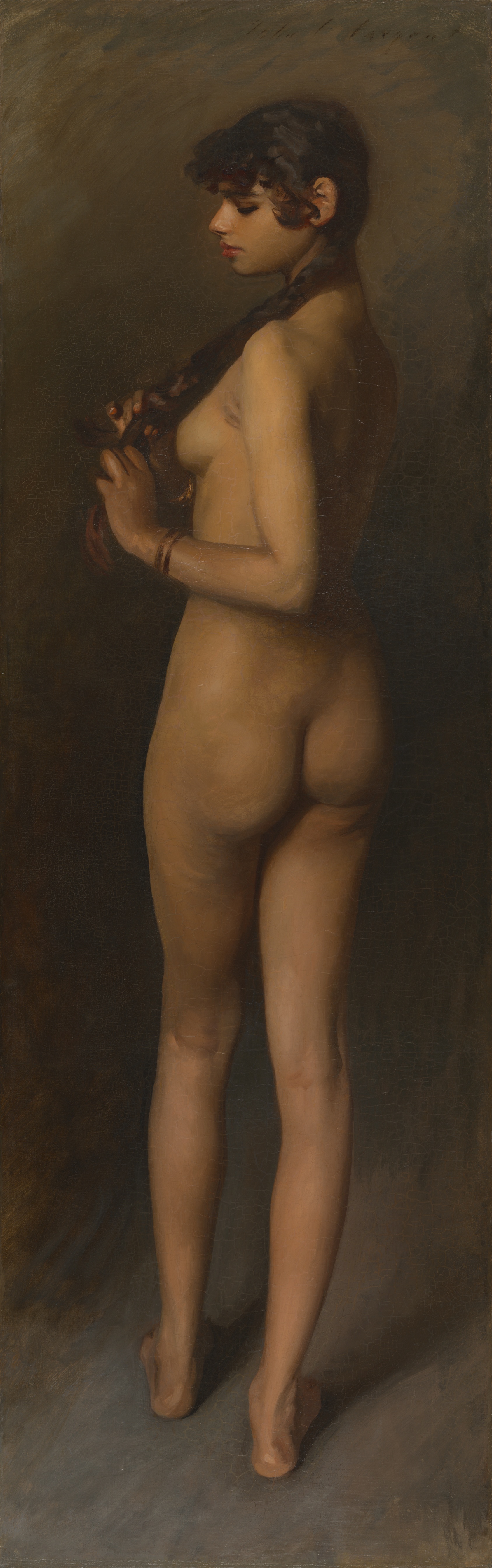
Life Study (Study of an Egyptian Girl)
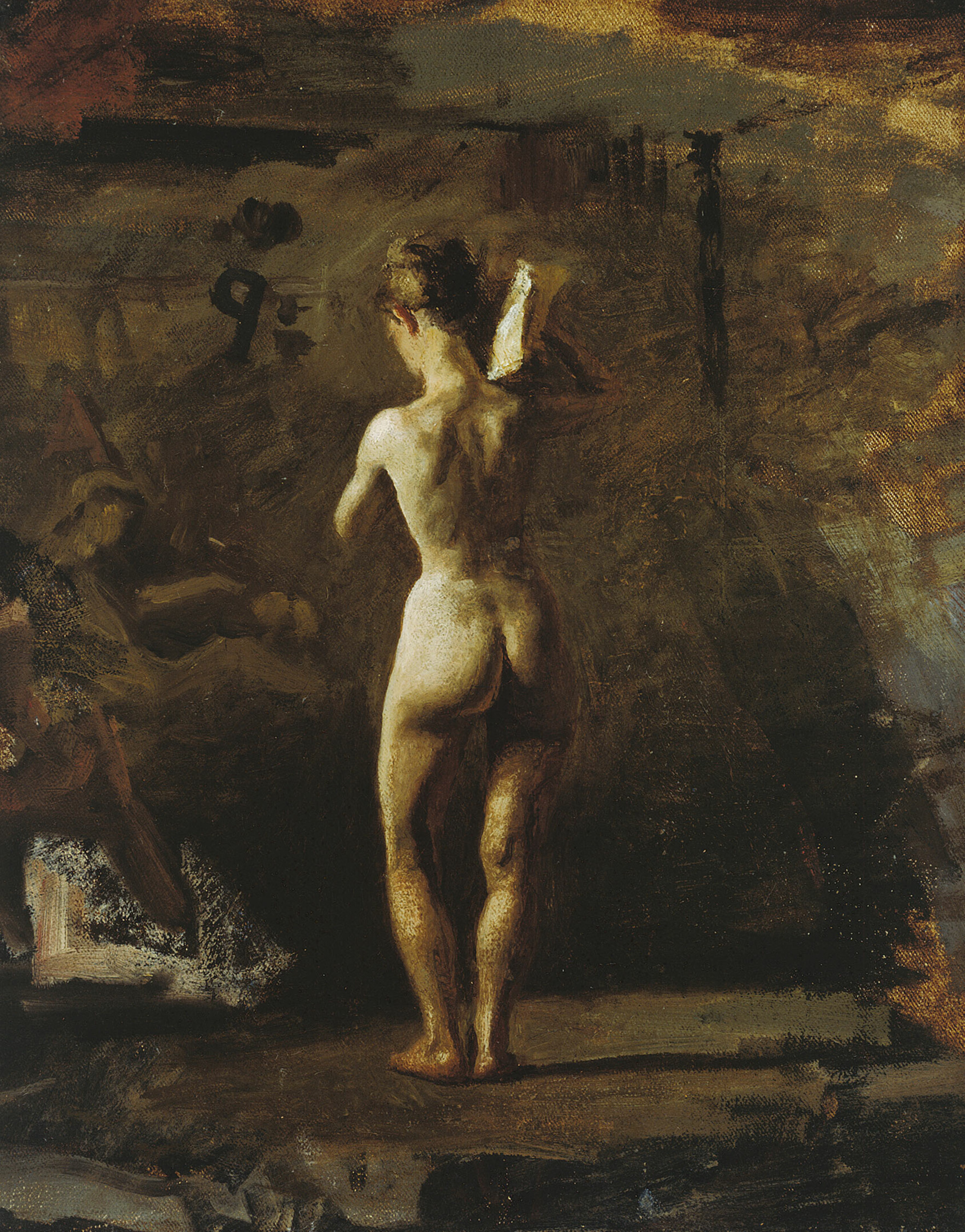
Study for "William Rush Carving His Allegorical Figure of the Schuylkill River"
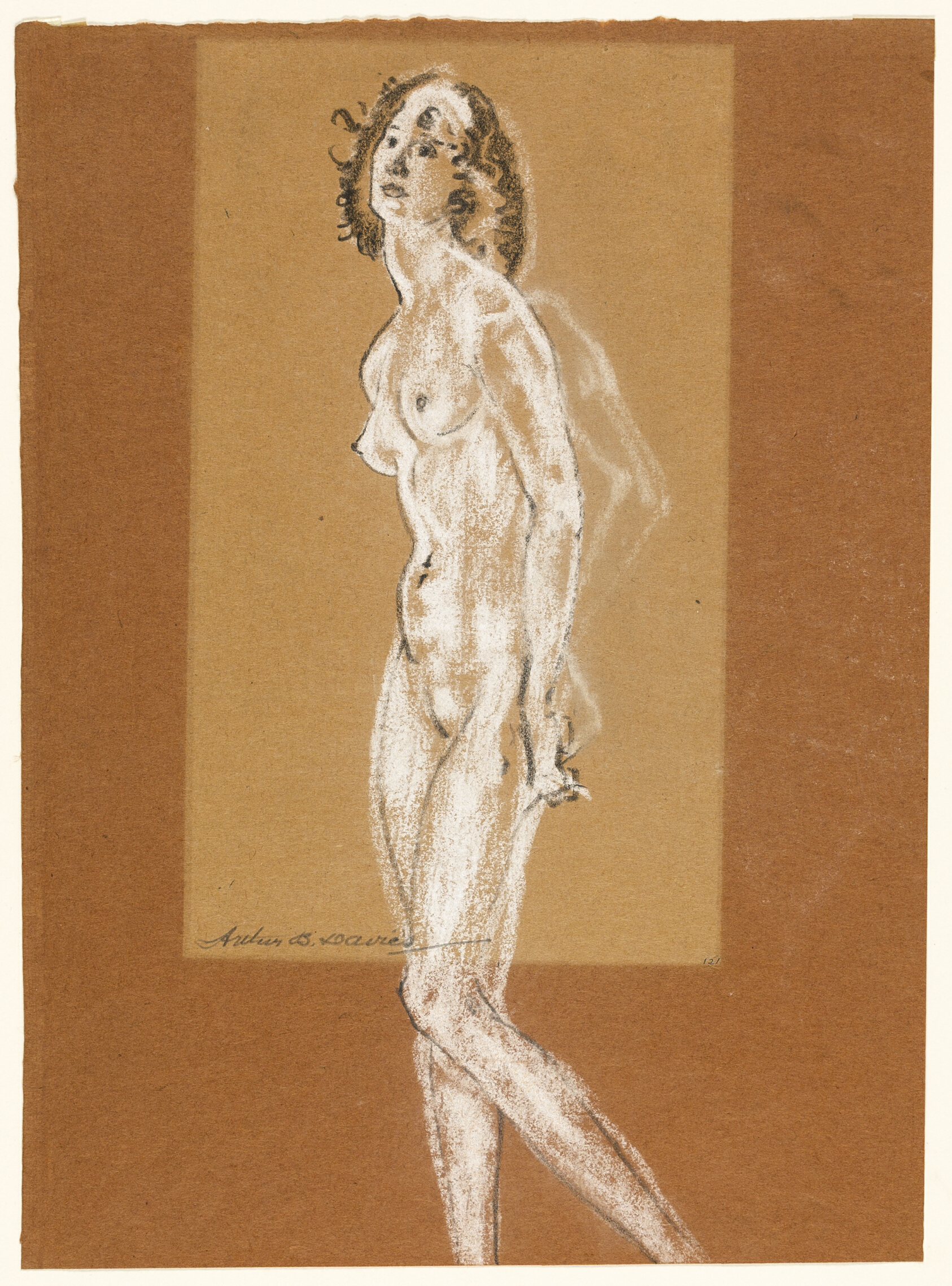
Standing Female Nude
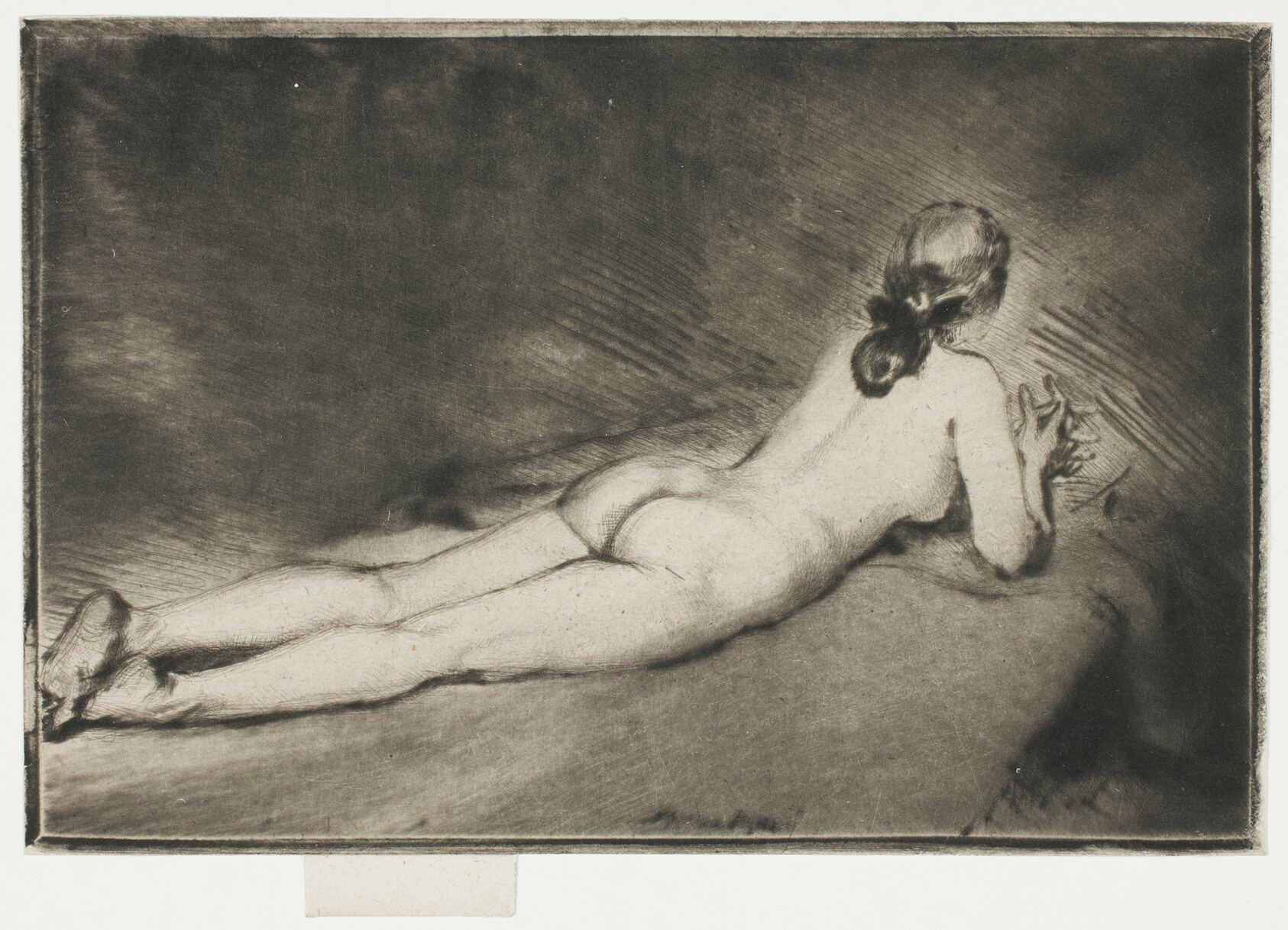
Nude Figure Lying Down
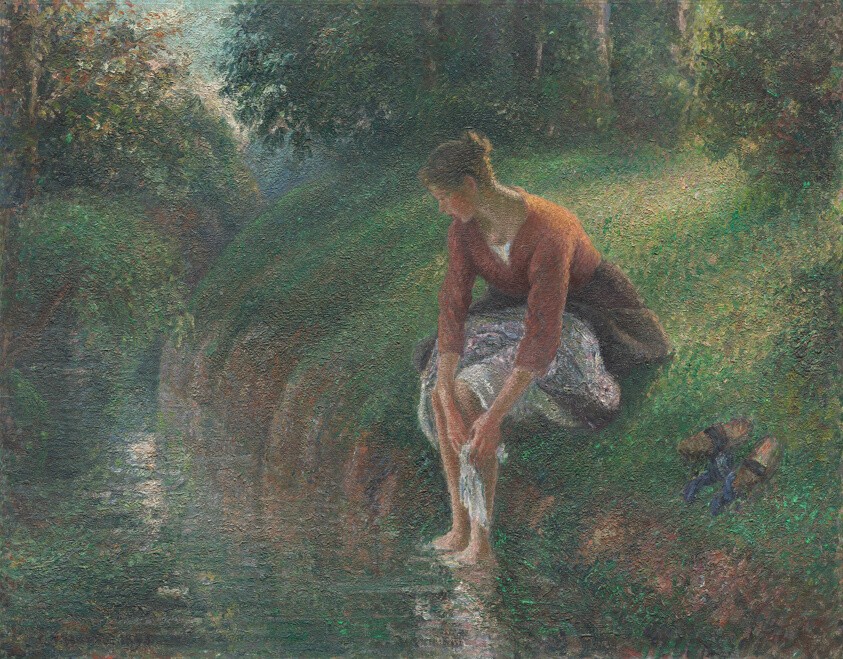
The Brook's Edge
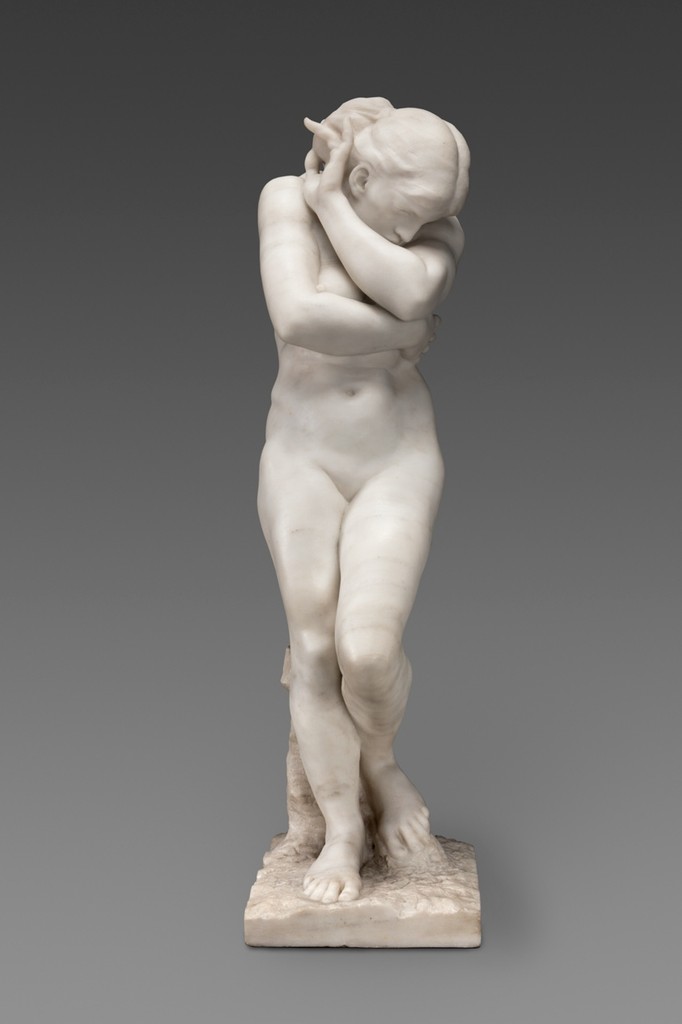
Eve After the Fall
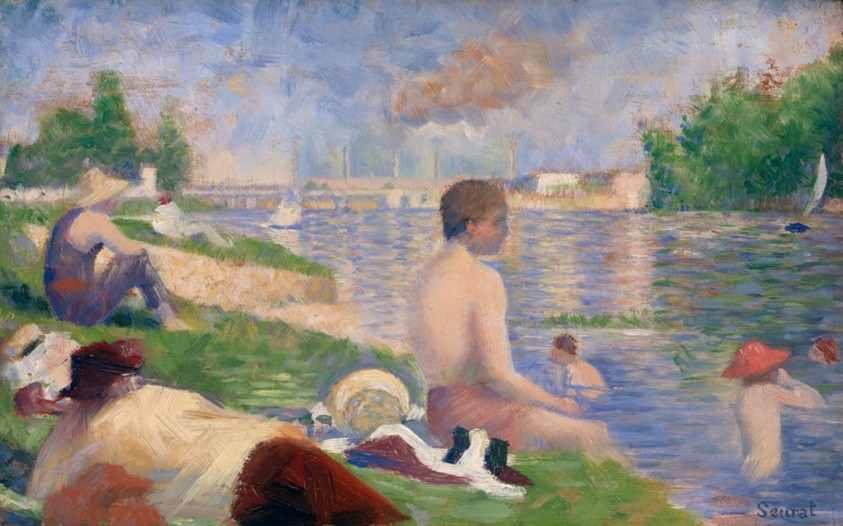
Bathers at Asnières
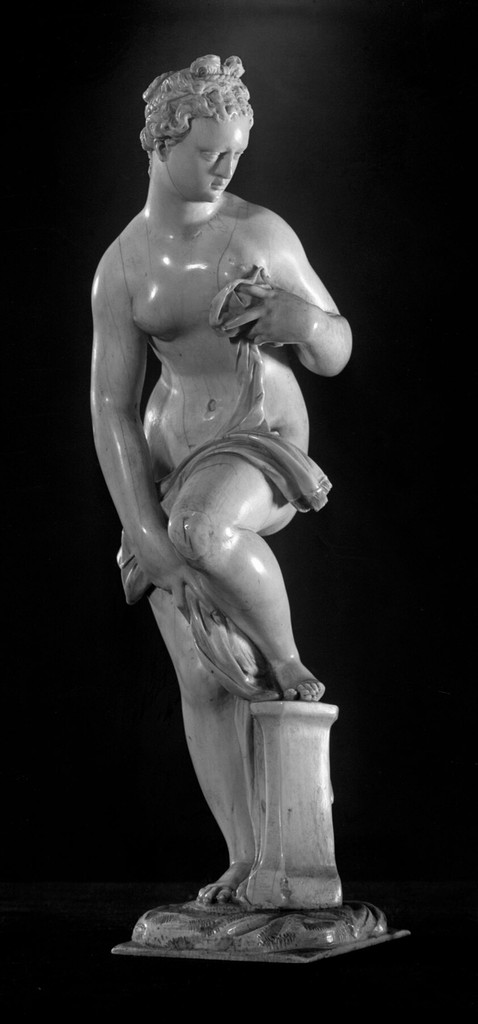
Venus at Her Bath
Artists collected at The Art Institute of Chicago
- Hilaire Germain Edgar Degas17 works
- Auguste Rodin7 works
- Pierre-Auguste Renoir5 works
- Paul Cezanne4 works
- Camille Pissarro3 works
- Paul Gauguin2 works
- Pietro Tacca2 works
- Vincent van Gogh2 works
- Adolphe Joseph Thomas Monticelli1 work
- Aimé-Jules Dalou1 work
- Albert Besnard1 work
- Ancient Roman1 work
- Anders Zorn1 work
- Cecilia Beaux1 work
- Claude Monet1 work
- Cristoforo Stati1 work
- Domenico Maggiotto1 work
- Edvard Munch1 work
- Francisco José de Goya y Lucientes1 work
- François Boucher1 work
- Gaston Lachaise1 work
- Georges Seurat1 work
- German1 work
- Giovanni da Bologna1 work
In the magazine
Read alongside
- The Metropolitan Museum of Art
The other great American encyclopedic. The Met has more breadth across time; ARTIC has more depth in 19th-century French painting. Read them as a pair on the Impressionist arrival in America.
- National Gallery of Art
The third U.S. encyclopedic anchor; Washington's federal mandate against Chicago's private-Gilded-Age founding. Different routes to a comparable result.
- Edgar Degas
The single most-collected artist on this site, in part because ARTIC's holdings are so dense. The artist profile reads back through what they own.
Through another lens
- TendernessEmotion
The Renoir Two Sisters and the late Cassatts in the collection are reference instances of how tenderness is made visible without being announced — a Vela editorial concern from the start.