Encyclopedic Museums
National Gallery of Art
Washington, District of Columbia · founded 1937
The National Gallery of Art is the youngest of the three great American encyclopedic museums and the only one that has been free of admission charge from the day it opened. Andrew Mellon gave the founding collection and the original building to the federal government in 1937, on the condition that no one's name go on the door. The collection has been growing under that constraint ever since.
Vela reads the National Gallery through its European painting holdings primarily — the only Leonardo in the Western Hemisphere is here (the *Ginevra de' Benci*, hung small in the West Building); the French 19th-century galleries hold Degas, Manet, Cézanne, and one of the better Renoir collections in the country. The American galleries are dense in the figurative late-19th-century arc Vela returns to most often: Eakins, Homer, Sargent, the Ashcan school. The East Building, I.M. Pei's 1978 addition, holds the modern collection — Mark Rothko's late paintings, Alexander Calder's monumental mobile, the Barnett Newman series.
The free-admission mandate shapes the museum more than any single curatorial choice. A federal institution that does not charge cannot quite collect the way a tuition-funded private museum collects; the dependence on private gifts means the curators have learned to take what is offered and arrange it into a coherent argument anyway. The result is uneven by design — the Italian Renaissance is deep, the Northern Renaissance dense, the 20th-century American collection has gaps the museum names. For Vela, the NGA's role is the European-painting reference point our library leans on when we write about the lineage that 19th-century American figurative painters were trained inside.
The National Gallery of Art operates as a federal institution without an endowment, a structural fact that has shaped its collecting philosophy since 1937. The building itself—I. M. Pei's 1978 East Building and the original neoclassical West Building—enforces a particular kind of looking: the architecture is restrained rather than theatrical, the galleries orderly, the pacing deliberate. The collection tilts toward the canonical. American painting from the nineteenth and twentieth centuries, Old Master works acquired through systematic donation, and European modernism form the spine. The museum does not attempt encyclopedic coverage in the manner of larger European institutions; instead it reflects the tastes and philanthropic decisions of its founding donors, particularly Andrew Mellon, whose collection remains foundational. The effect is of a collection that knows what it thinks matters—a particularity that can feel either clarifying or limiting depending on one's arrival. The museum tends to reward close looking and tolerance for historical narrative. It does not overwhelm with quantity; there is room to stand. Figurative work, particularly from the Renaissance through the nineteenth century, occupies secure ground here, arranged in ways that assume the viewer's familiarity with art-historical chronology. Contemporary work appears more sparingly, suggesting institutional ambivalence about its own moment. The experience differs markedly from encyclopedic museums that aspire to represent all traditions equally; the Gallery instead constructs an argument about Western art history through selection and sequence.
Signature collections
The Old Master holdings include Italian Renaissance and Baroque painting, with particular strength in Northern European works of the fifteenth and sixteenth centuries. The American galleries span colonial portraiture through early modernism, with nineteenth-century landscapes and academic figure painting well represented. French Impressionism and Post-Impressionism hold significant ground, as does early twentieth-century European modernism—Cubism, Fauvism, and related movements. British painting from the eighteenth century onward appears throughout the West Building in thematic groupings. The East Building houses twentieth-century abstraction and contemporary work, though with notably less comprehensive coverage than the historical galleries. Prints, photographs, and works on paper occupy a parallel collection of considerable depth. Figurative traditions dominate the historical galleries; the museum's relationship to abstraction and non-representational work feels secondary, reflecting both donor preferences and institutional formation during an era when figuration still anchored mainstream aesthetic value.
Works from National Gallery of Art
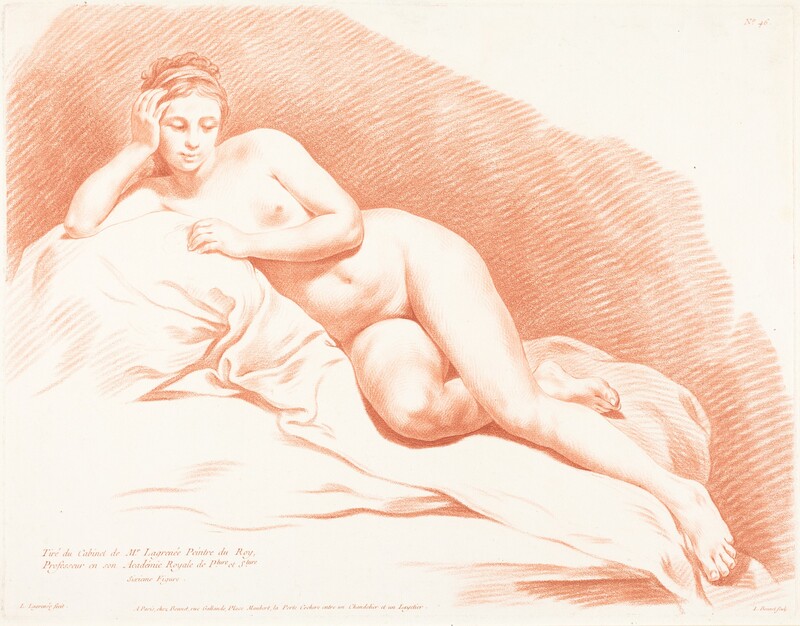
Reclining Female Nude
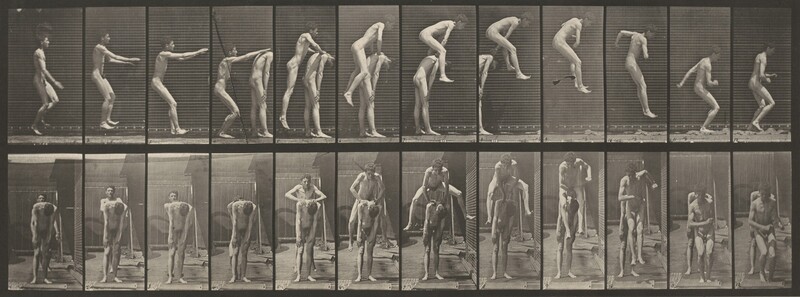
Plate Number 166. Jumping over a man's back (leapfrog)
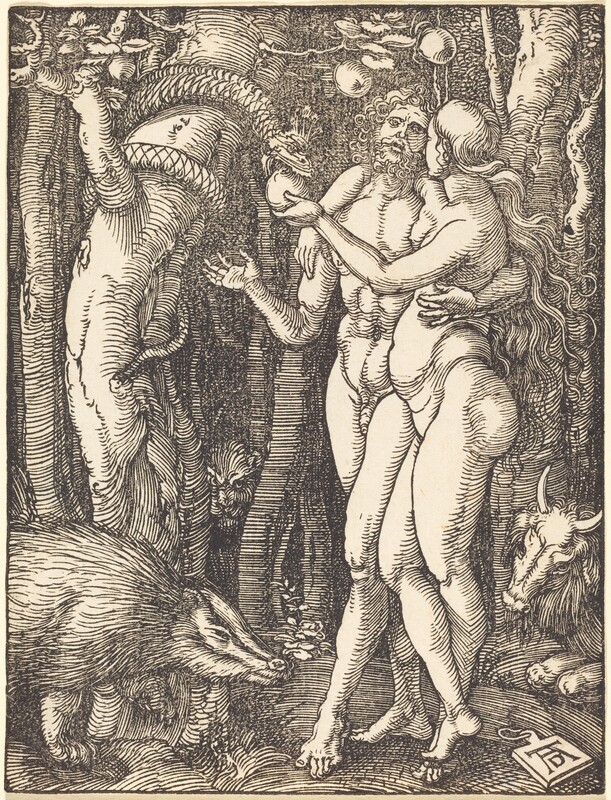
The Fall of Man
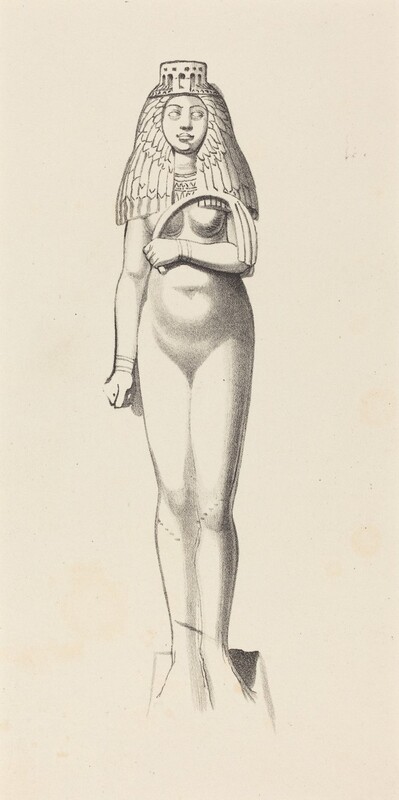
Figure of Bubaste or Isis
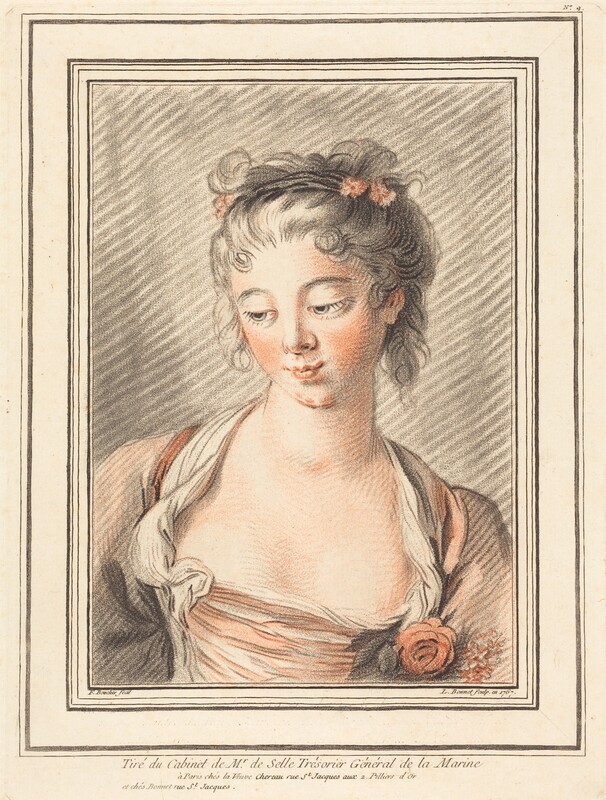
Bust of a Young Woman Looking Down
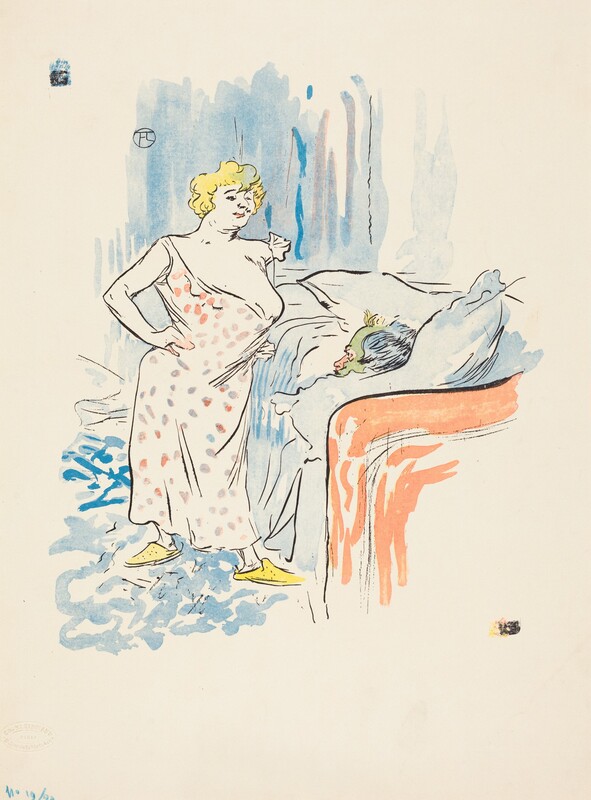
Man and Woman
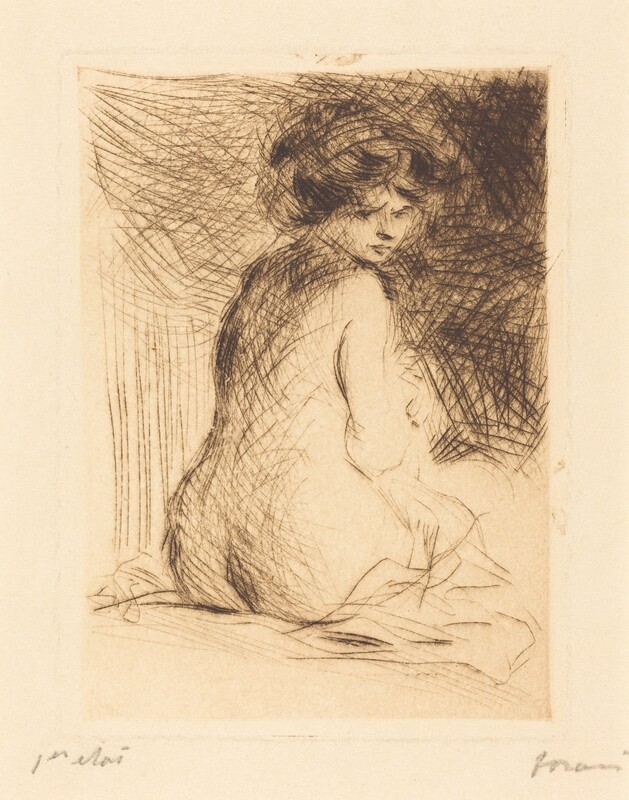
Femme nue vue de dos (Nude Woman Seen from the Back)
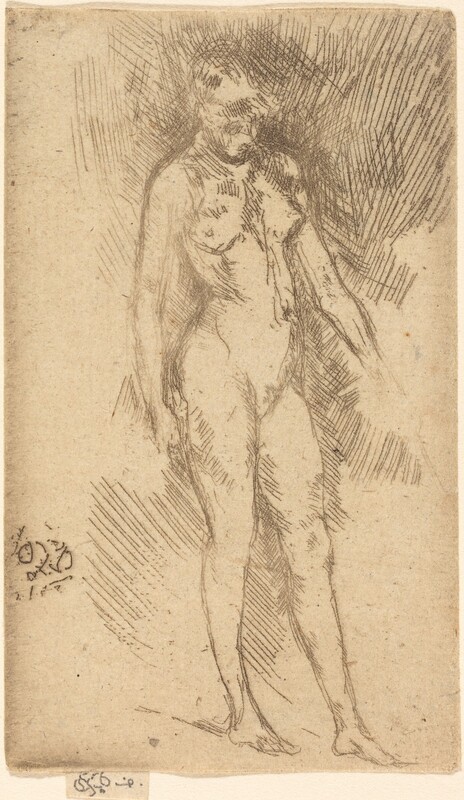
Little Nude Figure
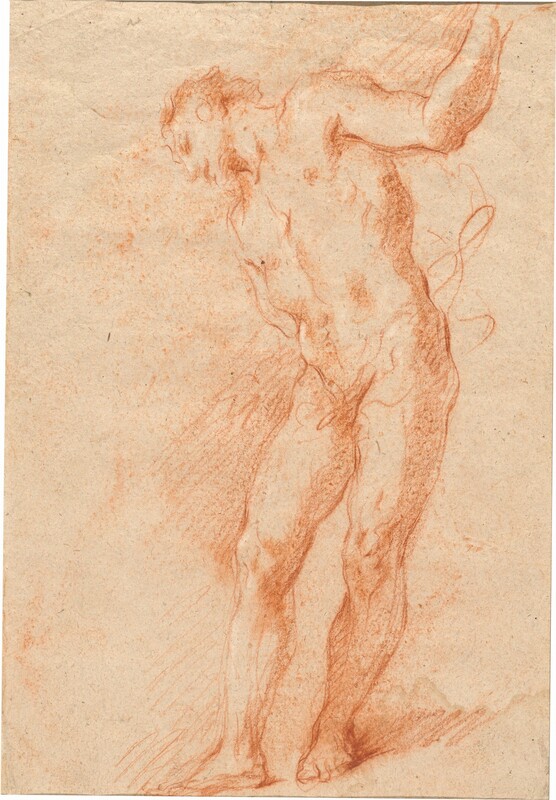
Male Nude

The Fall of Man
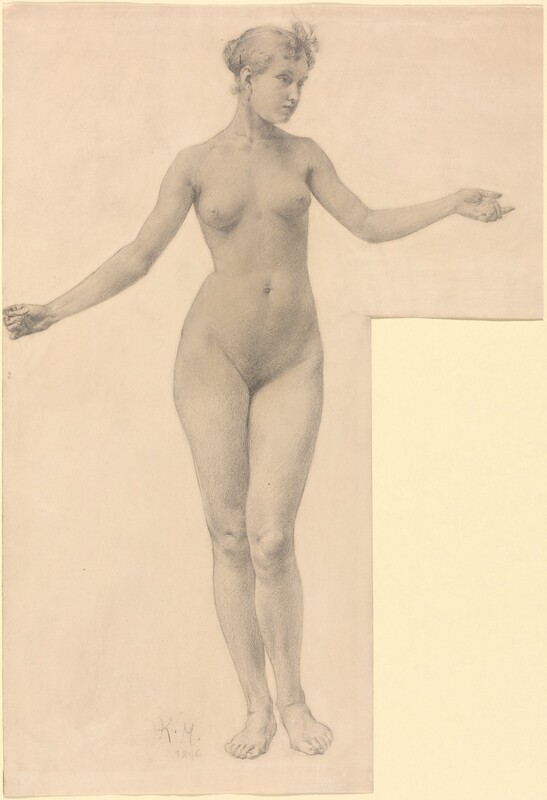
Female Nude with Outstretched Arms
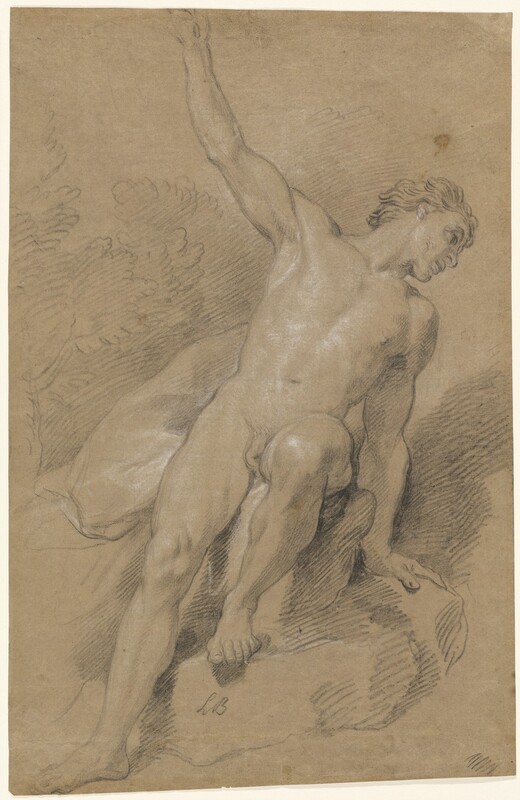
Male Nude Seated on Rocks
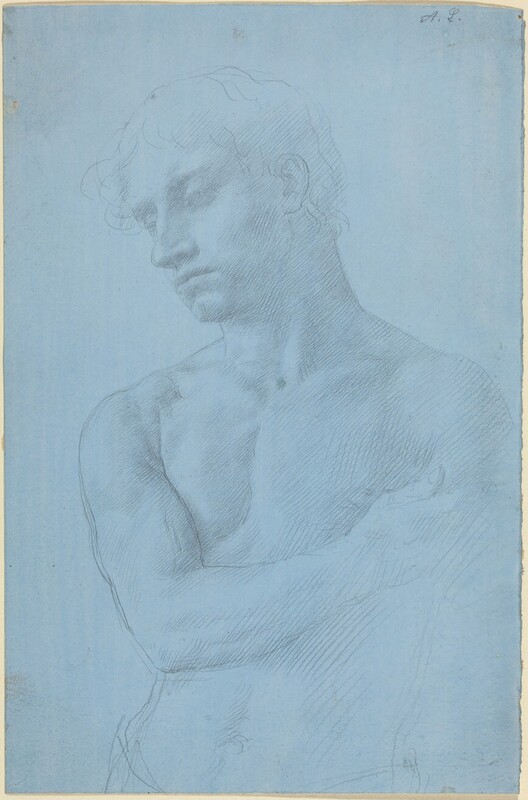
Bust of Nude Man
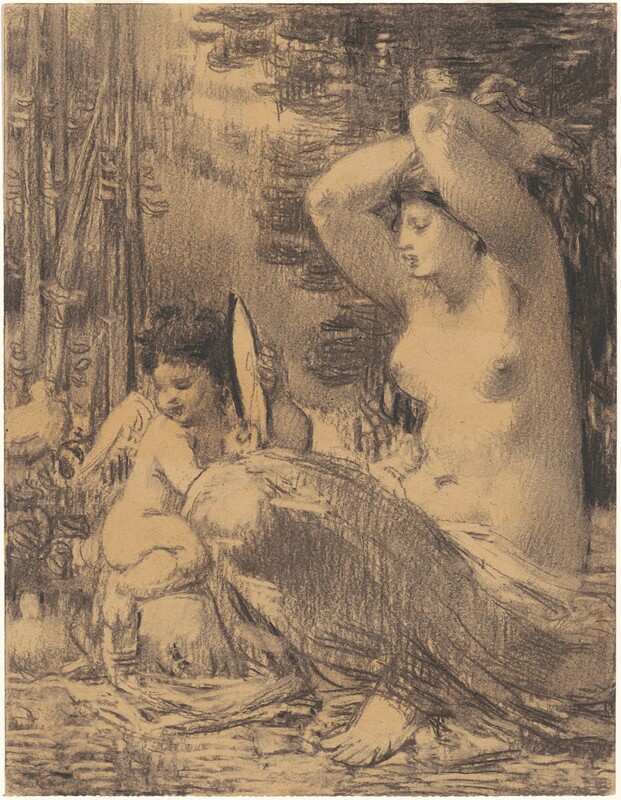
Nude with Cherub Holding a Mirror
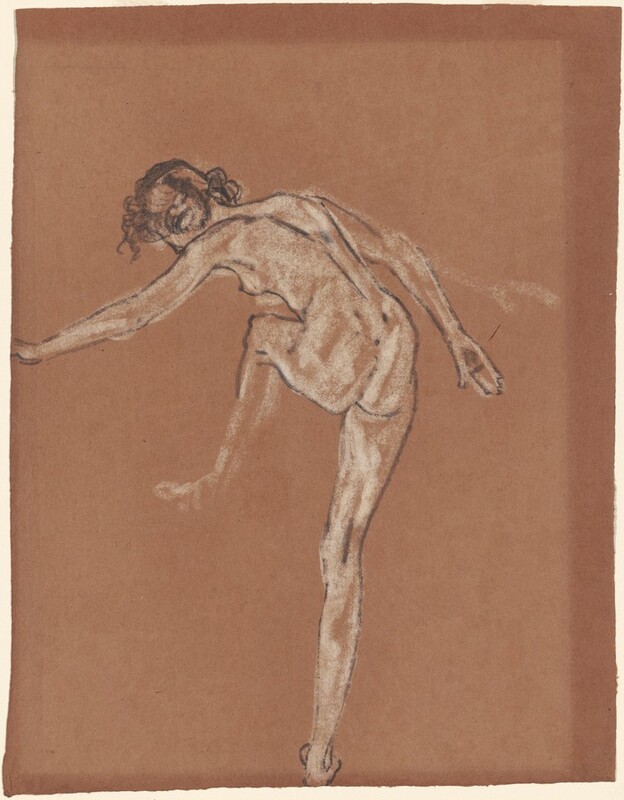
Female Nude from Behind
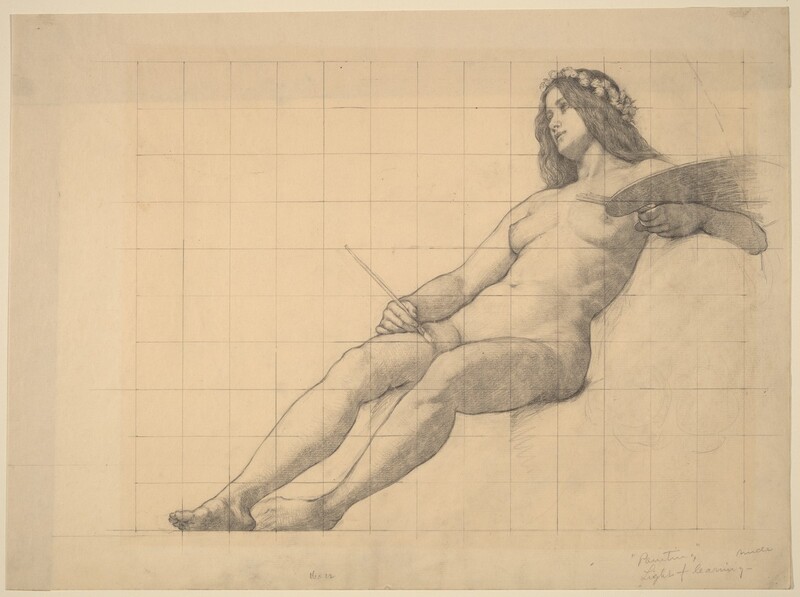
Reclining Female Nude Study for "Painting"
Breath Held in Graphite
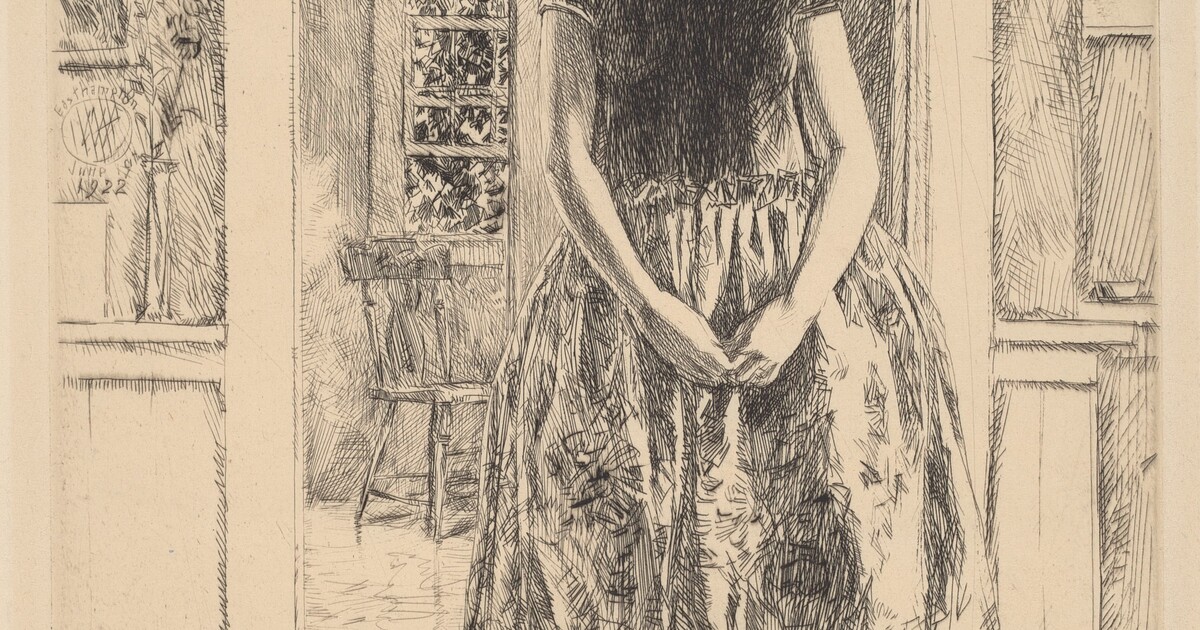
Girl in a Modern Gown
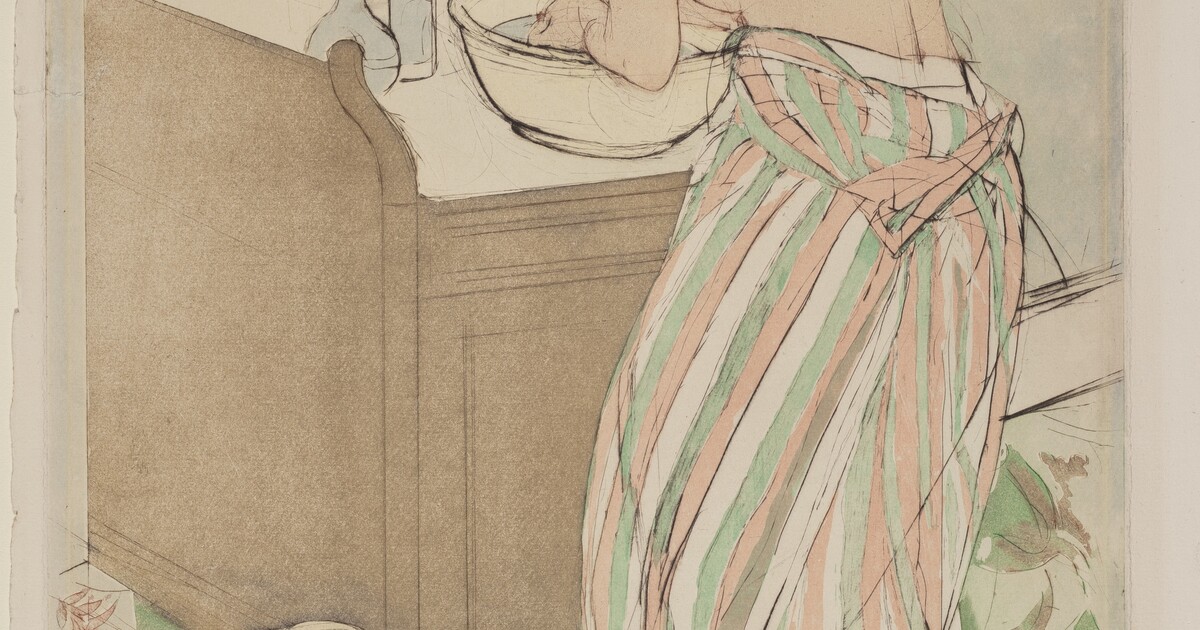
Woman Bathing
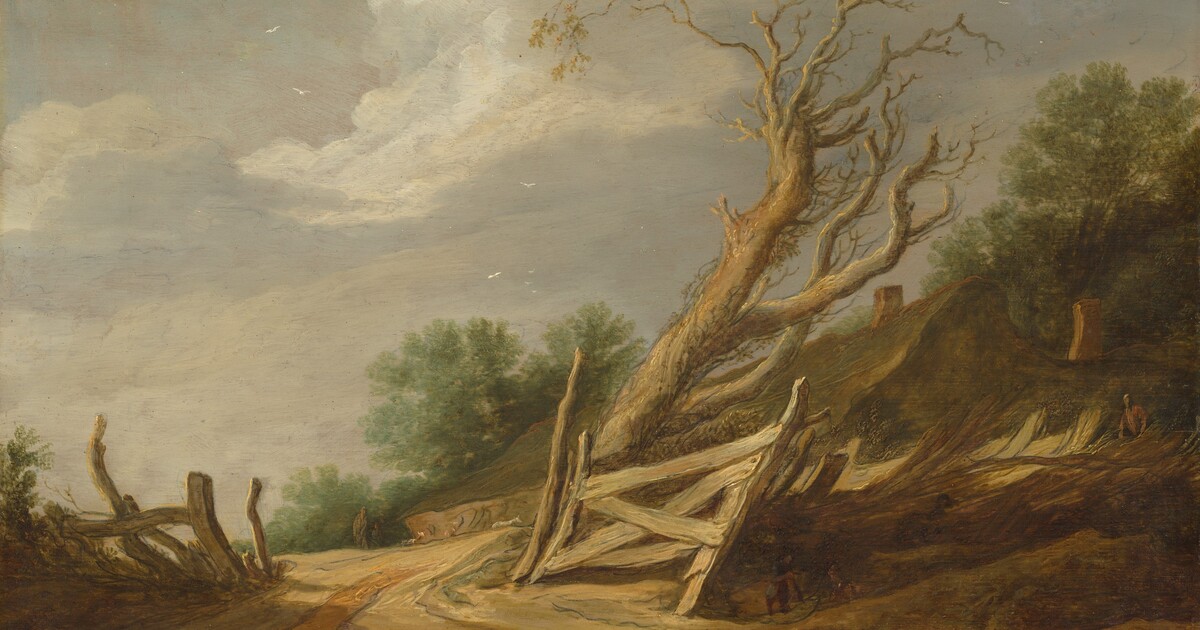
Landscape with Open Gate
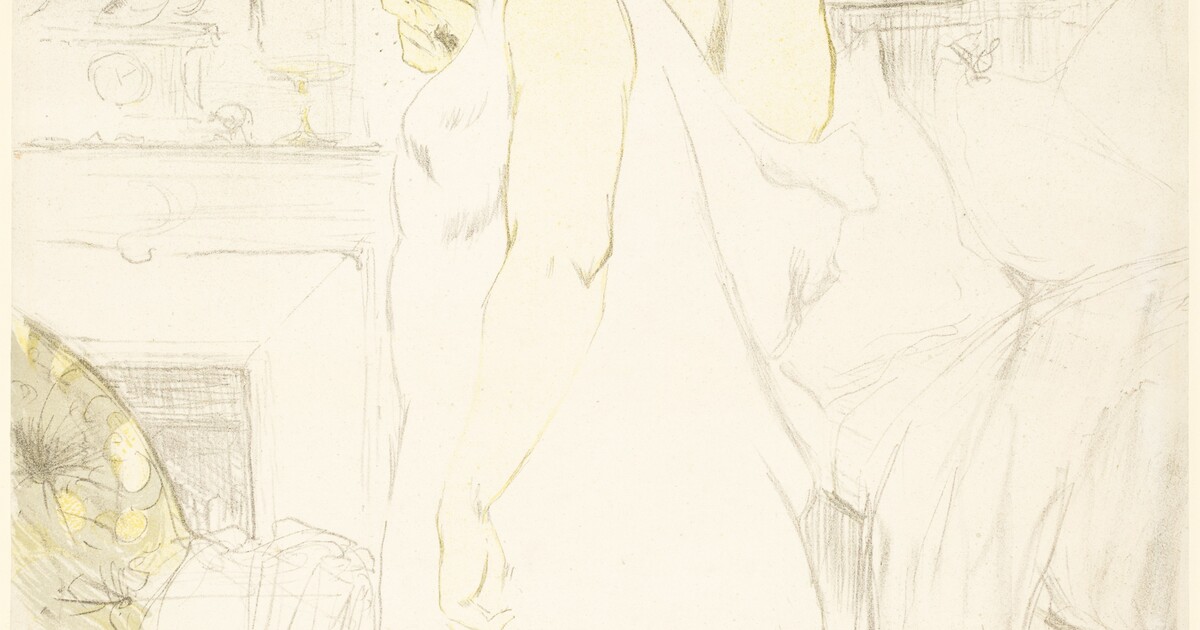
Woman at the Mirror (Femme à glace)
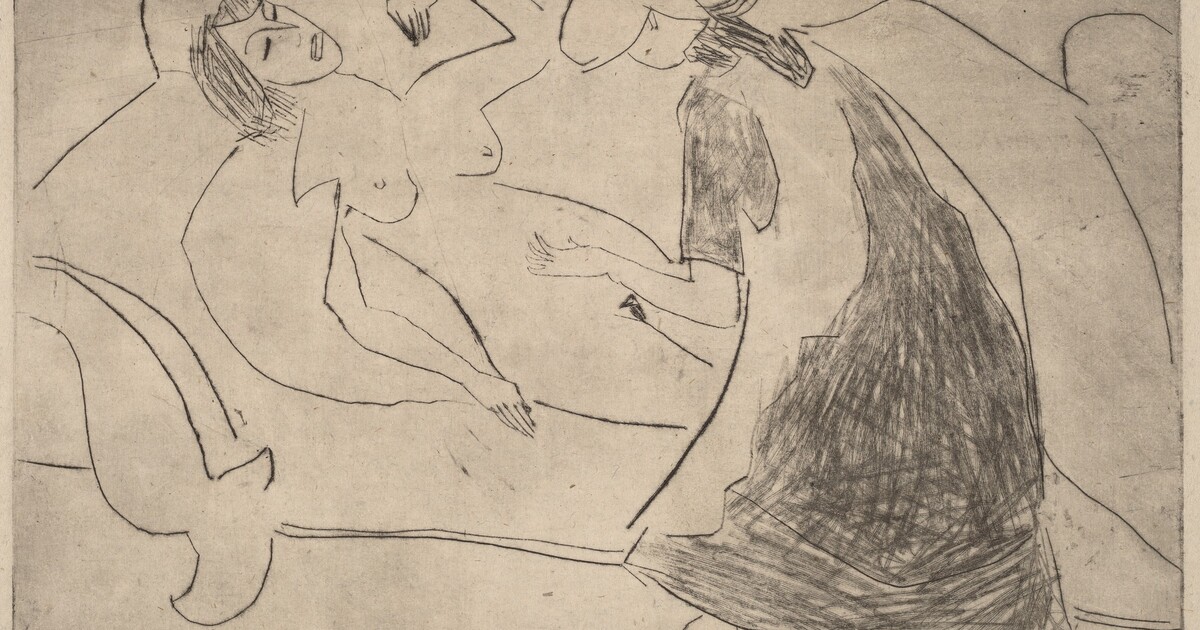
Girl, with Another Rubbing Her Belly
In the magazine
Read alongside
- The Metropolitan Museum of Art
The encyclopedic precedent the NGA was building against and inside of — older, wealthier, more comprehensive. Read the two on the same Old Master painter and the institutional differences come into view.
- Smithsonian American Art Museum
The other federal museum on the Mall, with the American-only mandate the NGA's American Wing was never going to fulfill alone. The two reading together is closer to the country's full picture than either alone.
- The Art Institute of Chicago
The third U.S. encyclopedic anchor; private-Gilded-Age founding against the NGA's federal one. Different routes to a comparable depth in 19th-century French painting.
Through another lens
- AweEmotion
The West Building rotunda — Pantheon-derived, marble-clad, free of charge to anyone who walks in from Constitution Avenue — is designed to do a specific thing to the body before the visitor has seen a single painting. Read the emotion profile against the architecture.