Awe
Awe is the body's response to scale it cannot match. The breath stops for a fraction of a second; the eye widens; the sense of self briefly thins so that something larger can occupy the same room. Vela reads awe through the writers and traditions that have refused to make it small — that have kept awe as the encounter with the genuinely outsized rather than as a synonym for liking something a lot.
Working definition · The widening that opens before something vast or beyond the usual scale—wonder mixed with humility.
4329 passages · 9 Vela essays · in 1 cluster
Vela’s read on this emotion
Awe is one of the emotions most actively diluted in contemporary usage. *Awesome* is now an adjective for a sandwich. The reading attends to a more specific register: awe as the response to scale — natural, mortal, divine, historical — that the self cannot domesticate.
The contemplative tradition is the deepest reservoir for awe. The Hebrew word *yir'ah* — translated variably as *fear*, *awe*, *reverence* — names the response to the divine that older translations have struggled to carry into English. The Book of Job, the Psalms of creation, the prophets at the moment of vocation each preserve awe as a primary religious experience. The Sufi tradition — Rumi, Hafiz, the Persian mystical poets — reads awe as the soul's recognition of the Beloved. The Buddhist contemplative literature names a parallel register inside silence rather than presence. Augustine of Hippo writes *trembling awe* — *amor et timor* — as the structure of devotion in the *Confessions*.
The modern reading runs through the writers who have refused to flatten the natural sublime. The Romantic tradition — Wordsworth at Tintern Abbey, the Hudson River school painters, John Muir in the Sierra Nevada — treats awe before mountains, rivers, and storms as a serious cognitive event. The literature of exploration — Robert Kurson's *Rocket Men* on the Apollo 8 crew seeing Earth from the moon, the Antarctic memoirs, the deep-ocean accounts — preserves awe at the scale of what humans can encounter when they leave the human-scaled world. Joy Harjo's *Crazy Brave* reads awe inside the Indigenous spiritual register that the colonial inheritance has tried to refuse.
Awe is not the same as wonder, admiration, fear, or gratitude. Wonder is awe's curious cousin — interested rather than overcome. Admiration is steadied seeing; awe is the witness flooded. Fear shares awe's somatic shape — the breath catch, the still body — but the object is threatening rather than vast. Gratitude can shade into awe when the gift exceeds what can be acknowledged. The four are kin; the reading keeps them distinct because the writers who have been most honest about each have kept them separate.
Study and magazine
Long-form guide in the magazine
An essay on how this word lives in language, in the tagged corpus, and in figurative art when curators pair passage with image — not a list of stages, not permission to feel.
Read the guideNo curator pairings published for aweyet. Pairings are the slow editorial work — a curator argues that one specific passage and one specific image, set against each other, hold the same feeling. When they’re ready, they live here.
Tagged images
Images attested as carrying awe — through curator pairings, the illustration corpus, or the accumulated picks of readers using Connect. Not a verdict on any single image; a record of what others have said it holds.
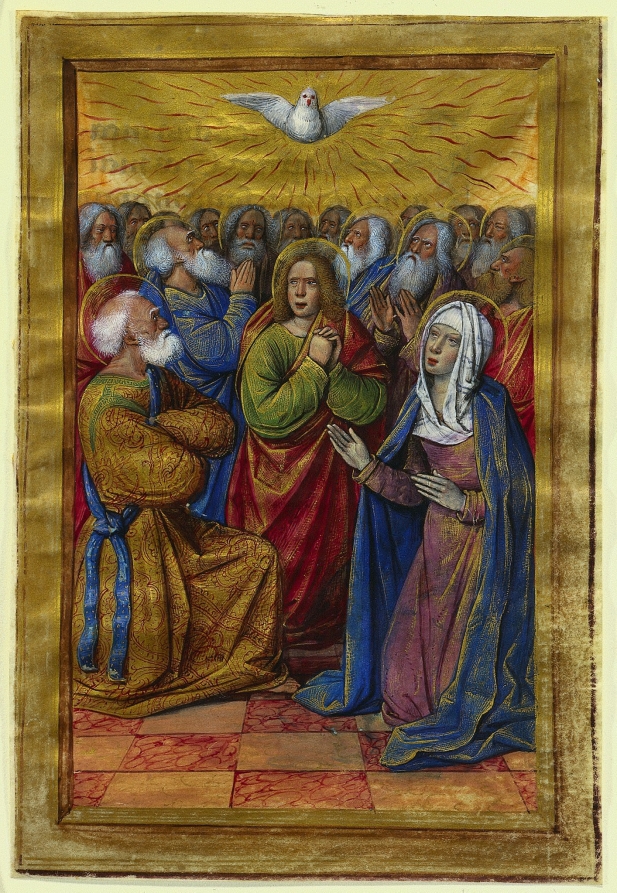
Miniature from a Book of Hours: The Pentecost
Curator
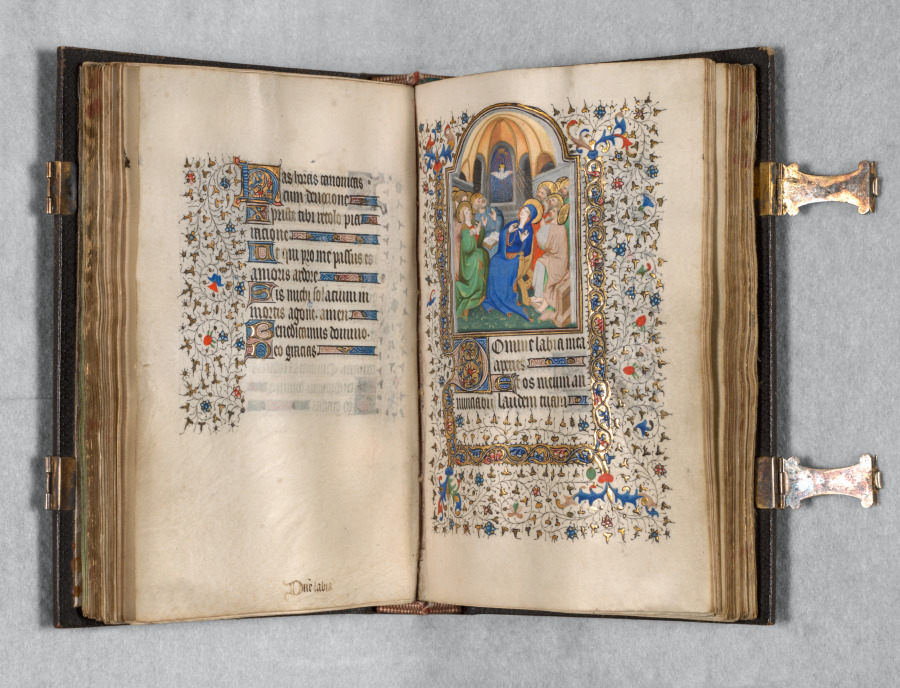
Book of Hours (Use of Paris): Fol. 108r, The Pentecost
Curator

Hours of Queen Isabella the Catholic, Queen of Spain: Fol. 31v, Pentecost
Curator
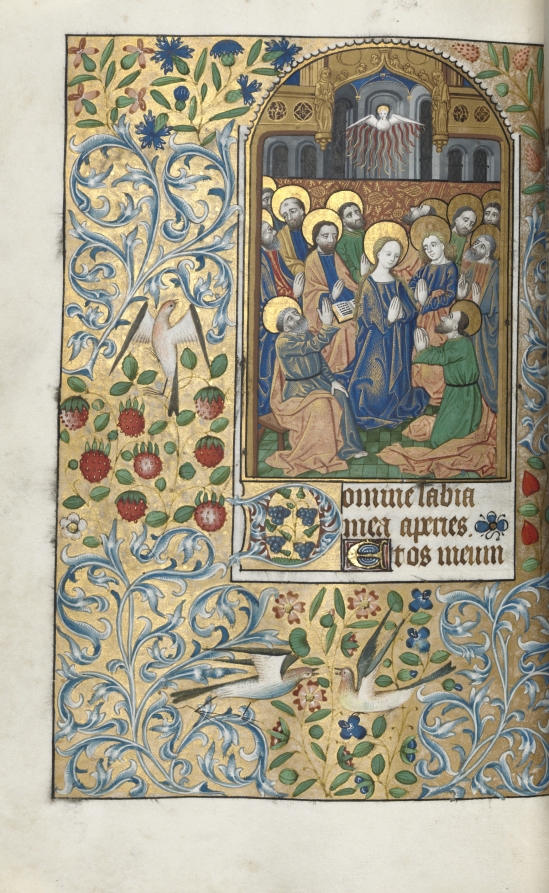
Book of Hours (Use of Rouen): fol. 99v, Pentecost
Curator
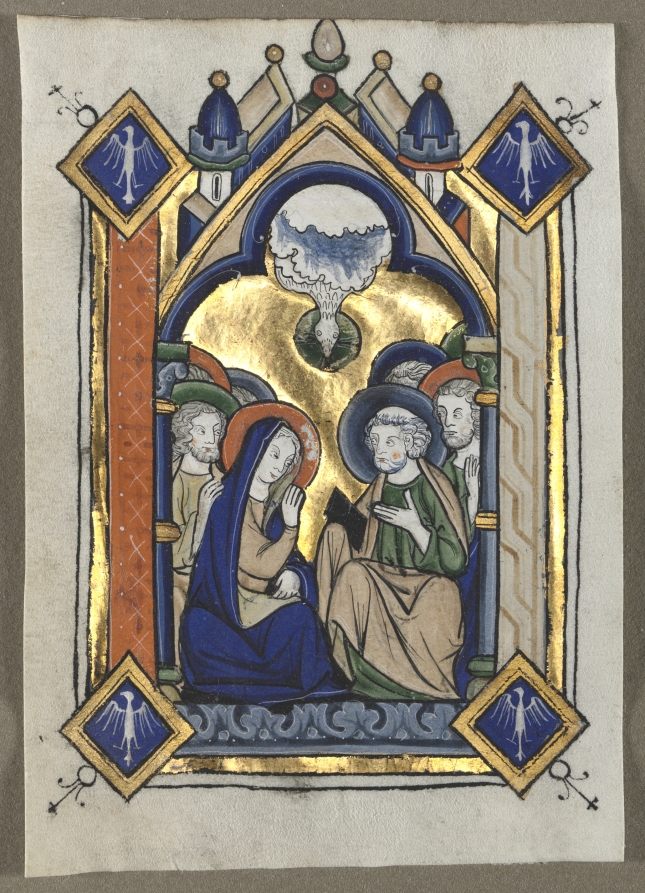
Leaf Excised from a Psalter: The Pentecost
Curator
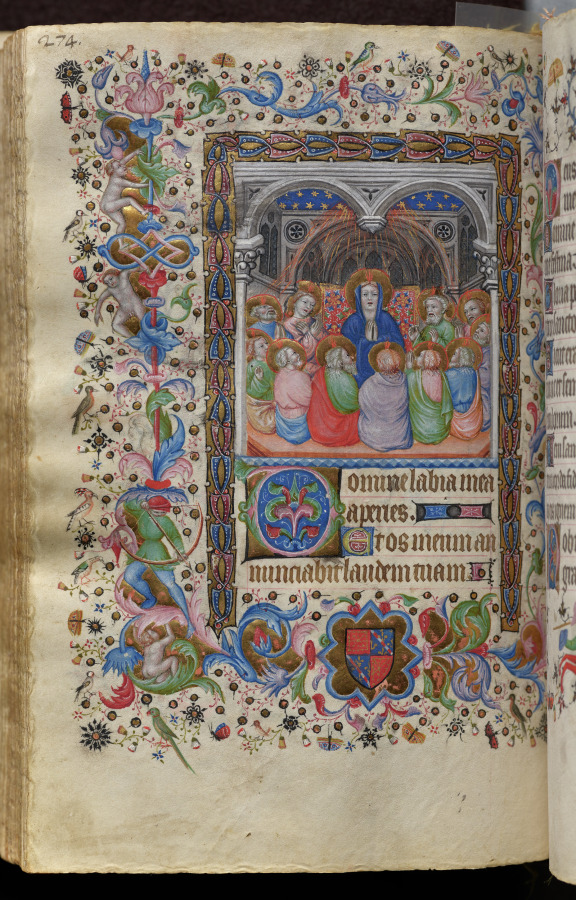
Hours of Charles the Noble, King of Navarre (1361-1425): fol. 137v, Pentecost
Curator