Art Museums
Smithsonian American Art Museum
Washington, District of Columbia · founded 1829
The Smithsonian American Art Museum is the country's federal museum of American art, and the only major institution whose entire mandate is to show what artists working inside the United States have made over four centuries. The collection runs from Colonial portraiture through Folk and self-taught work, the Hudson River School, the Ashcan school, the WPA murals, and forward into contemporary practice — a single argument about what *American* means when it is allowed to include everyone who has made art in this country.
Vela reads the Smithsonian American Art Museum through the late-19th and early-20th-century figurative holdings most directly — Winslow Homer, Thomas Eakins, Mary Cassatt, the painters who taught a generation of American artists how to see a body without flinching. The museum's Folk and self-taught galleries hold work that the canonical museums historically refused; the federal mandate gives this institution permission to argue, every time you walk in, that American art was never only what was hung at the Academy.
The museum lives in the Old Patent Office Building, the same 1830s structure Walt Whitman walked through nightly during the Civil War as a volunteer nurse — Lincoln's second inaugural ball was held in the model hall upstairs. Sharing the building is the National Portrait Gallery, and the two operate as functionally one museum on this question of who the country has been willing to look at. For Vela's figurative-art lens, the Smithsonian's American holdings sit alongside the National Gallery's American Wing as the reference set for how the United States learned to paint the body; the two institutions divide the work the way the Mellon-era settlement asked them to.
The Smithsonian American Art Museum operates as a selective rather than encyclopedic survey, its collection shaped by the conviction that American art merits sustained attention within its own terms. The permanent galleries privilege representation and narrative—portraiture, genre scenes, landscape painting—over abstraction or conceptual speculation, which means the museum's architecture of display becomes inseparable from its curatorial thesis about what art matters and why. The building itself, a neoclassical structure on Eighth Street, contains both the museum proper and the National Portrait Gallery, an arrangement that positions figurative work at the institution's center. The collection spans from colonial portraiture through contemporary practice, though its holdings grow denser and more deliberate as one moves through the nineteenth century. SAAM rewards visitors who approach American art without defensive posturing or nationalist fervor—those willing to examine the specific conditions under which American artists worked, borrowed, and occasionally innovated within European traditions. The scale is manageable; the galleries avoid the numbing effect of comprehensive display. The permanent installation suggests an argument about American artistic identity rather than attempting a complete historical record. This curatorial selectivity means certain movements and periods receive sparse representation, a choice that reflects institutional judgment rather than historical gaps.
Signature collections
Nineteenth-century American portraiture and landscape painting constitute the collection's spine, with particular depth in Hudson River School works and the figure paintings of the late 1800s. The museum holds significant works in American modernism, including important abstract and representational pieces from the early twentieth century onward. Photographic collections and folk art traditions extend the definition of what constitutes the visual record. Contemporary American practice appears in both the permanent galleries and rotation, though the balance tilts toward figuration and recognizable form rather than installation or time-based media. The collection reflects the institution's historical emphasis on easel painting and works on paper, which shapes what kinds of artistic practice appear most fully represented. Portraiture remains a through-line, from colonial likeness-making through contemporary photography and painting.
Works from Smithsonian American Art Museum
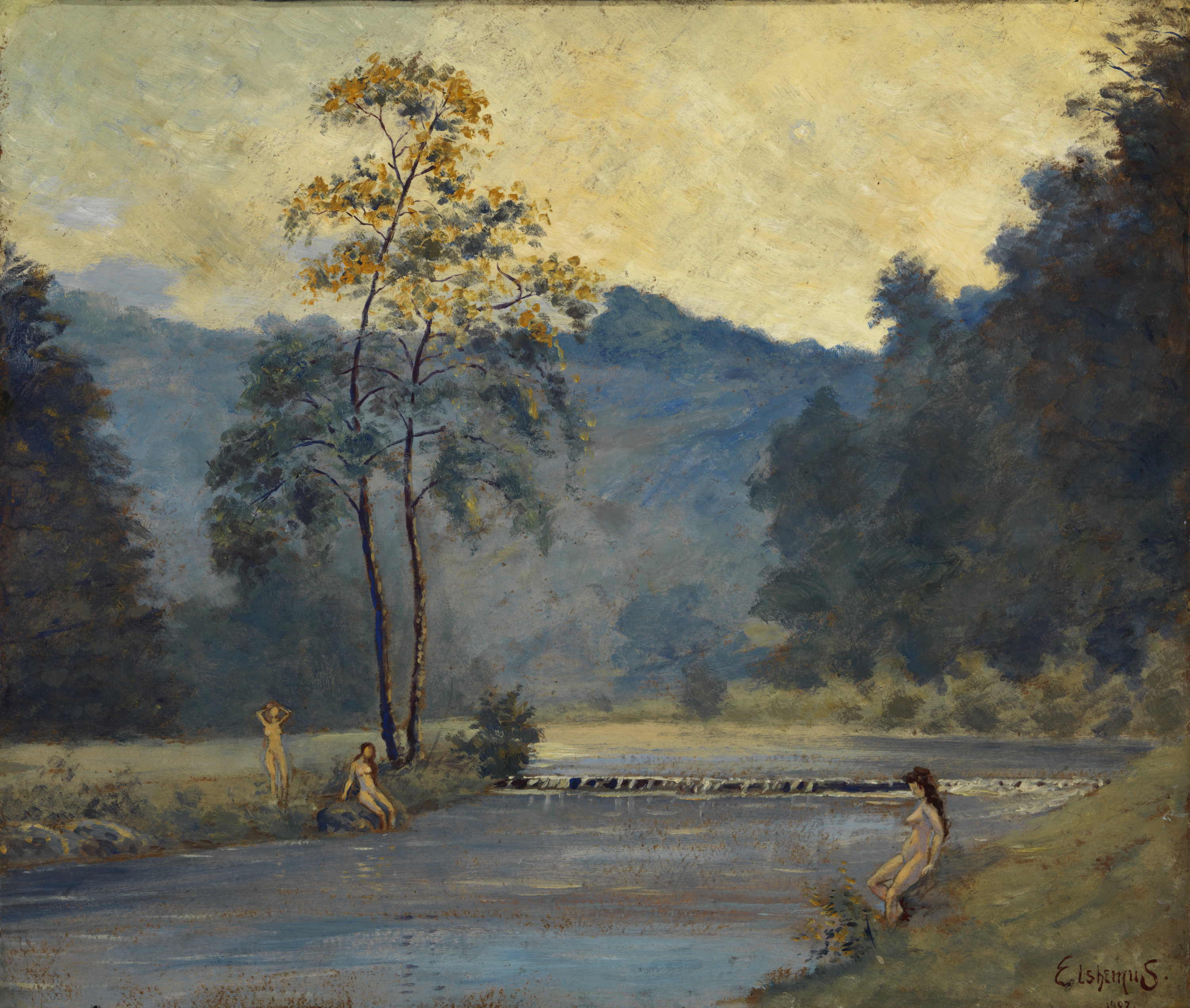
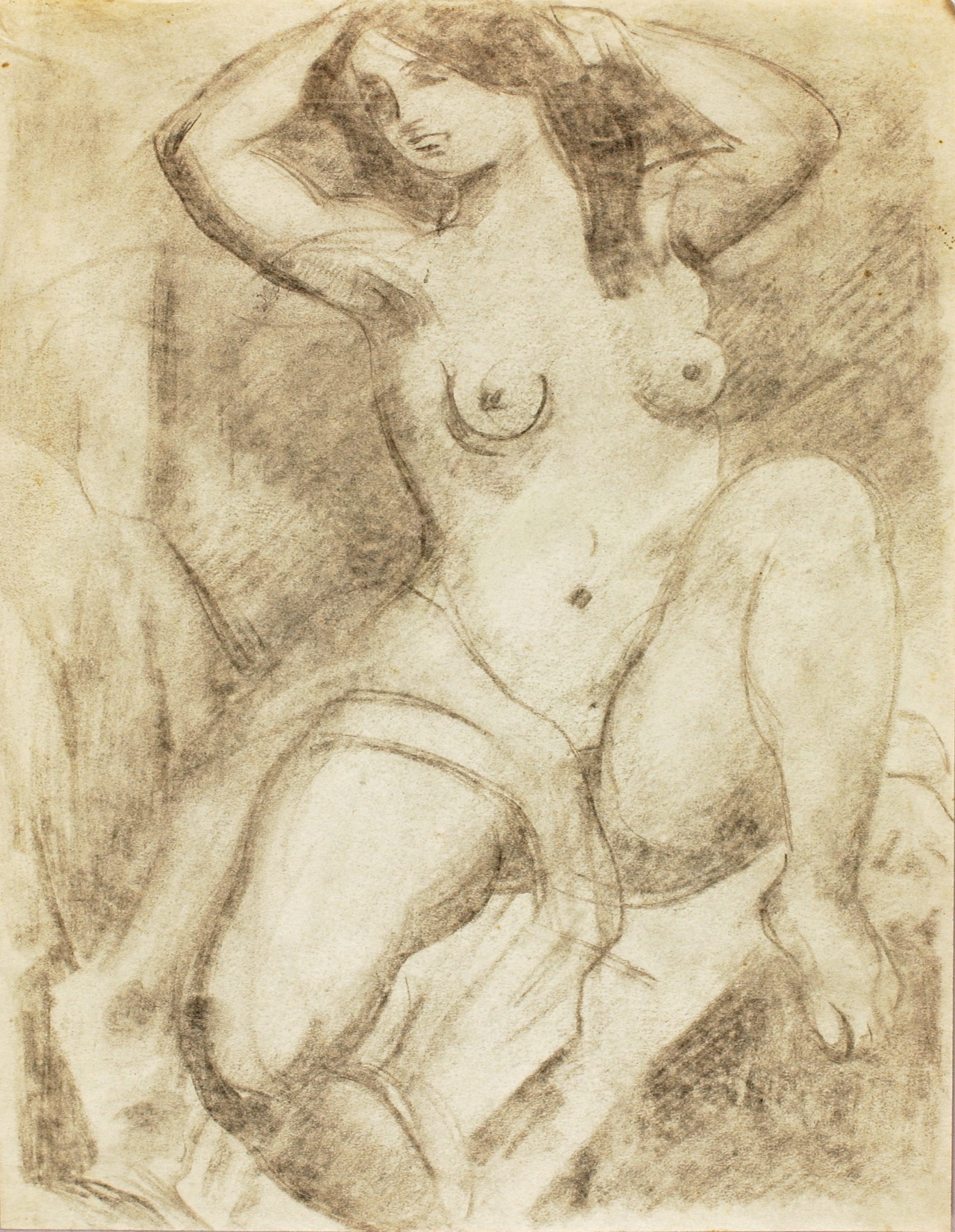
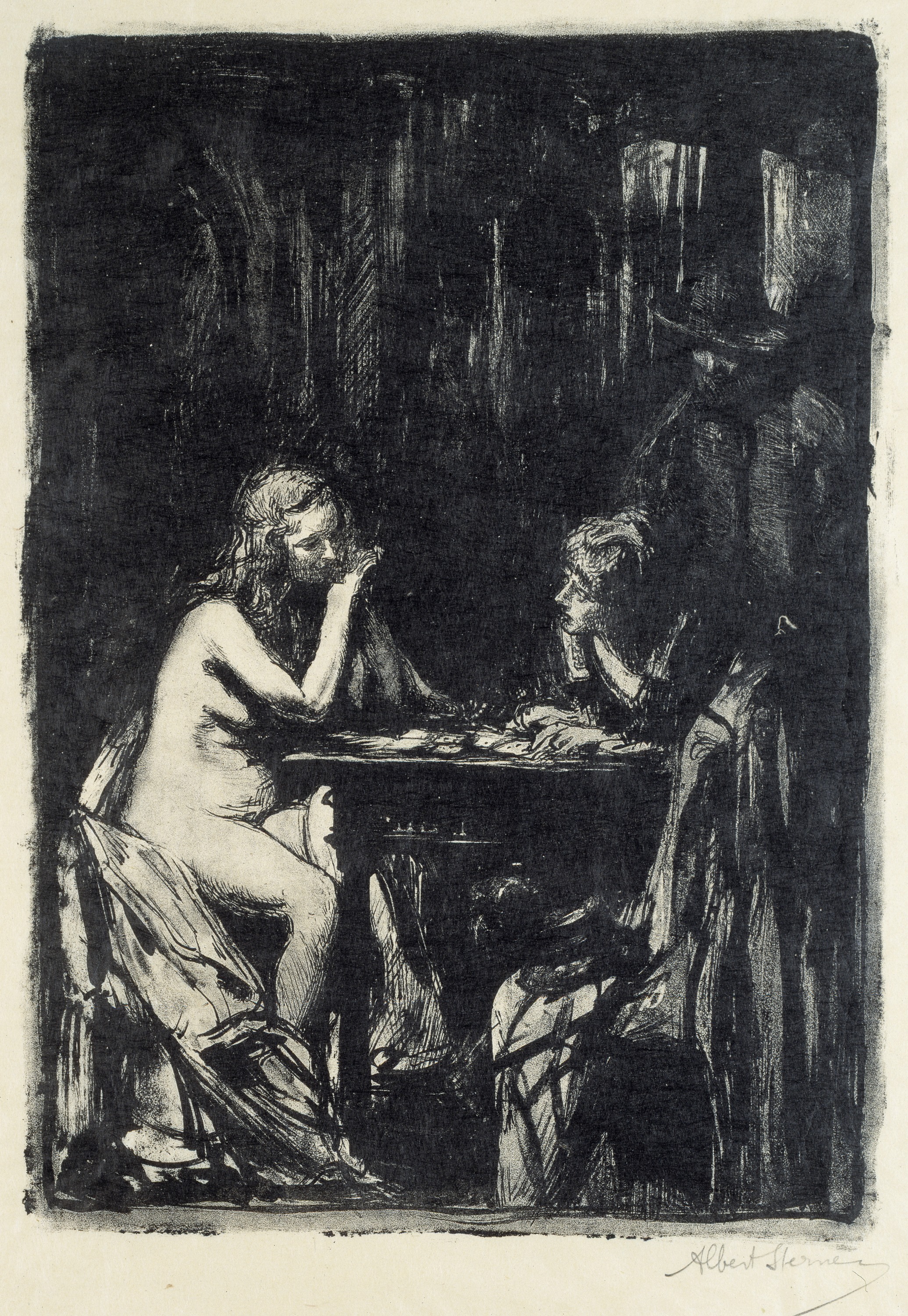
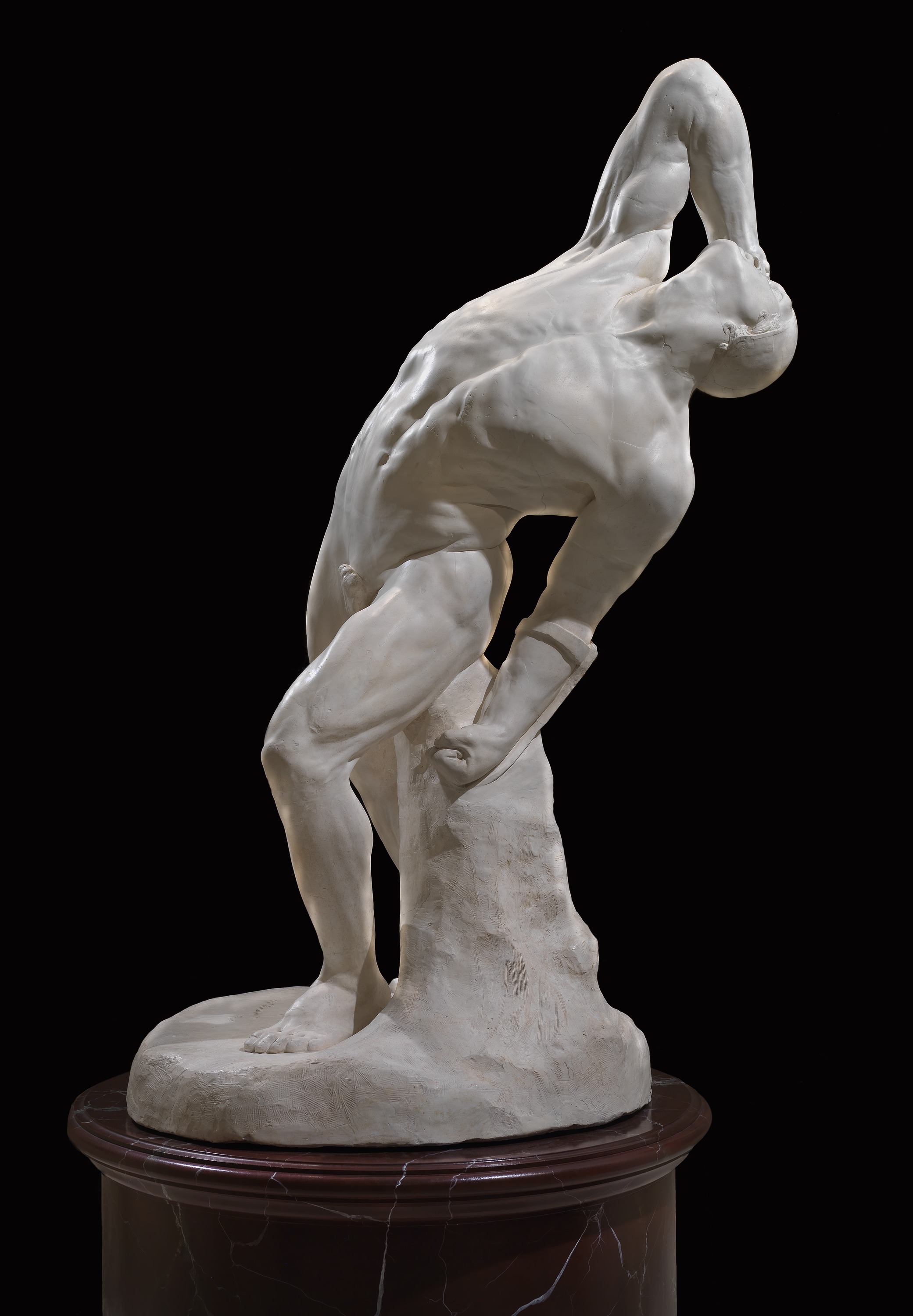
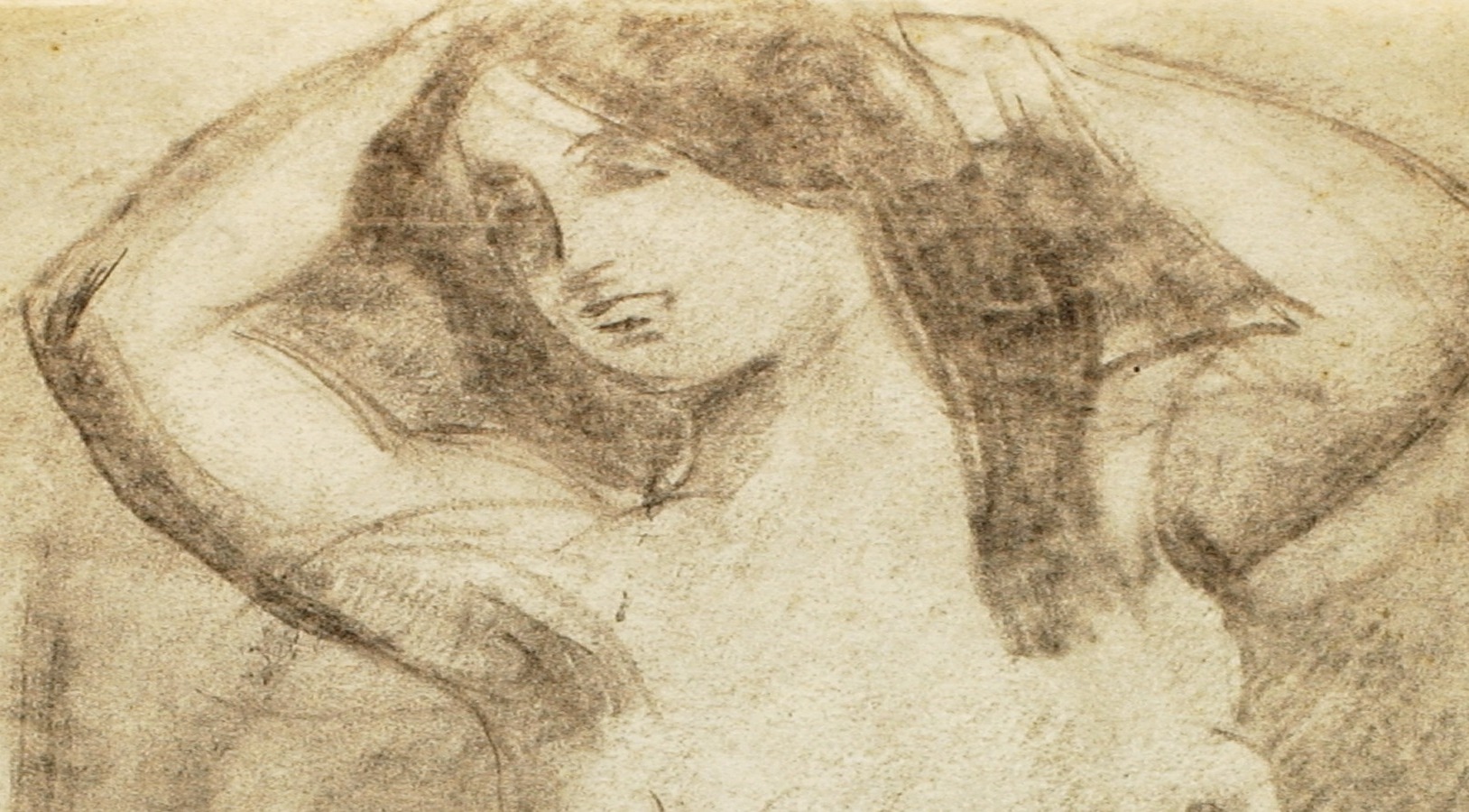
Artists collected at Smithsonian American Art Museum
In the magazine
Read alongside
- National Gallery of Art
The encyclopedic neighbor on the Mall — different mandate, overlapping American collection. Read them on the same artist (Homer, Sargent, Eakins) and the federal division of labor becomes legible.
- The Metropolitan Museum of Art
The Met's American Wing is the encyclopedic reading; the Smithsonian's is the focused reading. Together they hold most of what survives of the painters Vela returns to most often.
- Whitney Museum of American Art
The other American-only flagship — Gertrude Vanderbilt Whitney founded it after the Met refused her collection. The two read together trace what *American art* has been allowed to mean across a century.
Through another lens
- TendernessEmotion
Cassatt's mother-and-child paintings in the collection are reference instances of tenderness rendered without sentimentality — a distinction the Vela emotion profile is built around.