Classical and Now
What the figure has always been asking.
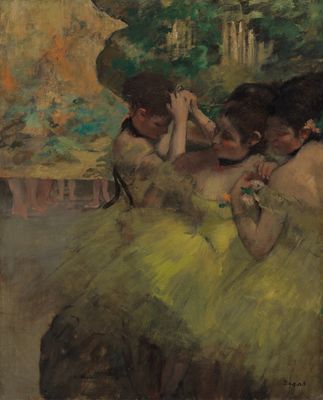
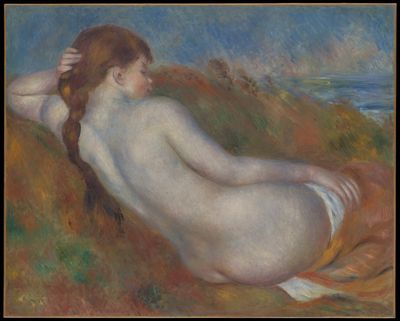
Four centuries of the same question, arranged so you can see them at the same time. The composite pairs classical figurative work with contemporary work that asks something close enough to be in the same conversation. The question is not whether the contemporary work is *as good*; the question is what the conversation reveals.



Vela's Artist Studies arc runs an explicit axis between consumed-celebrity Warhol and commissioned-devotion Sargent, and this composite is the small-scale visual version of the same argument. Pairing across four centuries forces a reader to decide what they think *figurative seriousness* actually is. Is it the held attention of the academy, the sustained sitting, the cultural ratification? Is it the post-academic refusal to play the academy's game? Is it both, in different registers? The composite does not answer. It arranges the evidence so the reader has to do the work. Read it as a register-test: which of the four centuries does your eye settle in, and which does it want to argue with?
Four centuries of the same question.
Works in this composite
You might also consider →


What did this arrangement do?
In the magazine
Read alongside
- Morning, Six Ways
Same compositional principle (six adjacent panels); different axis (time-of-day rather than across-time).
- The Body, Deconstructed
Formalist sibling — fragments rather than register pairs; the same lens-question (what does six panels in one frame do?) at a different scale.
- John Singer Sargent
The commissioned-devotion register the composite tests against the contemporary panels.