Morning, Six Ways
What light does when no one is performing.
The same hour in six different rooms. Light on a windowsill, on a hipline, on a coffee cup, on a face that isn't entirely awake yet. Morning is the figurative tradition's most reliable testing ground — it's where light is doing visible work.
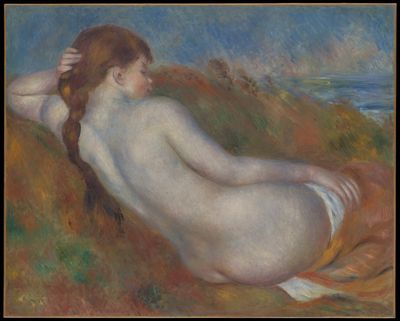


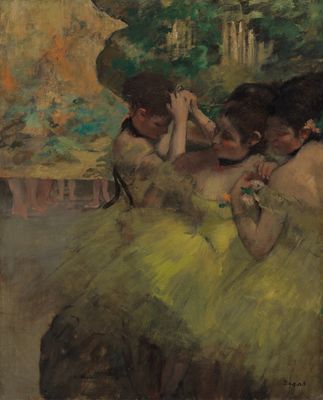
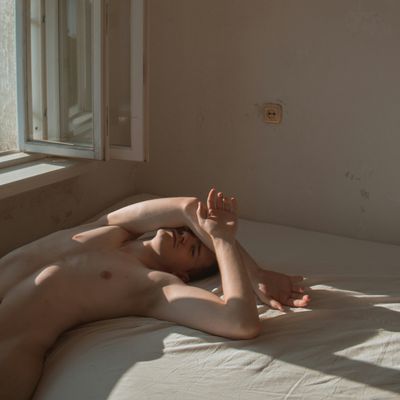
Painters have known for centuries that morning gives them their easiest argument: low-angle light, long shadows, a body that hasn't composed itself yet. The six panels here aren't trying for a unified scene; they're holding six painters' different answers to the same prompt in a single frame. Read each panel as a separate decision — what to keep in shadow, what to wash, where to let the wall be the warmest thing in the room. Read the six together as evidence that there is no single right answer to figurative morning. The composite functions best when you let the grid be a comparison rather than a narrative — the eye moves between panels the way it moves between paintings at a gallery, not the way it moves through a film.
The same hour in six different rooms.
Works in this composite
You might also consider →



What did this arrangement do?
In the magazine
Read alongside
- The Body, Deconstructed
The other six-panel composite; reads body-part rather than time-of-day. The two are the lens's working pair on what six adjacent images can hold.
- Classical and Now
Four centuries on the same question; morning-six-ways is one moment, multiple painters; classical-and-now is one question, multiple eras.
Through another lens
- TendernessEmotion
Morning light is the figurative tradition's most consistent vehicle for tenderness as a visual register.