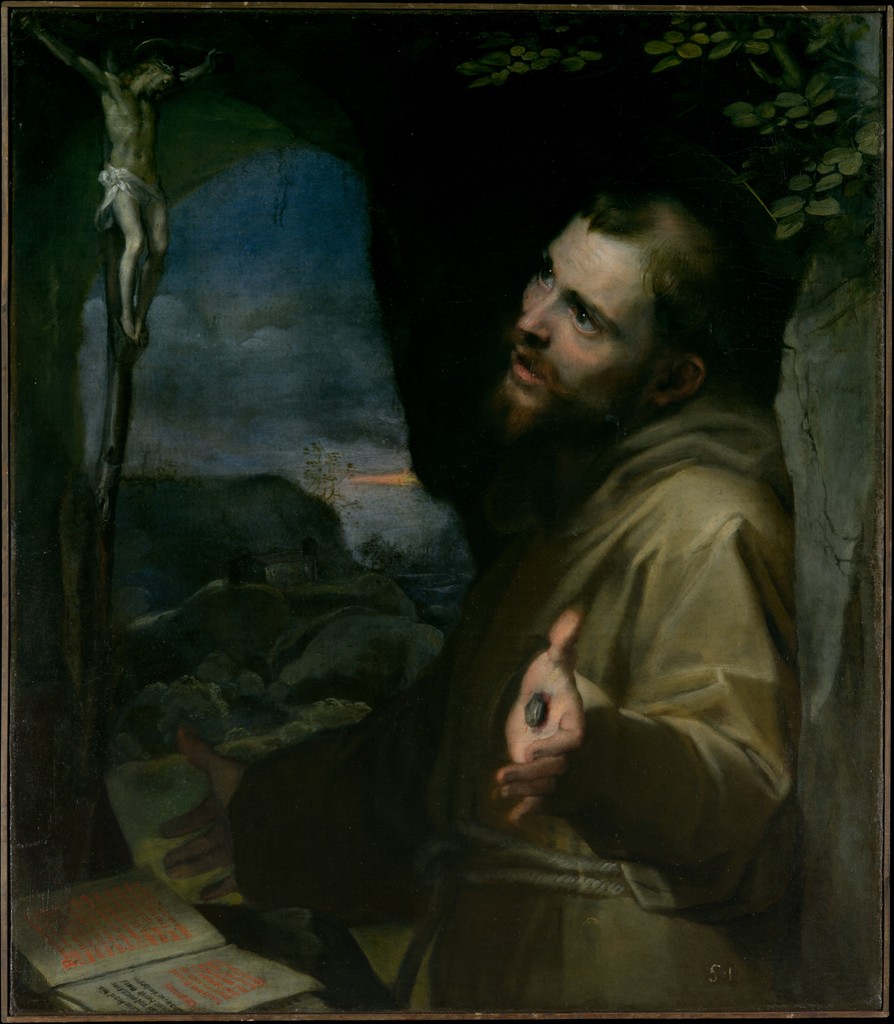
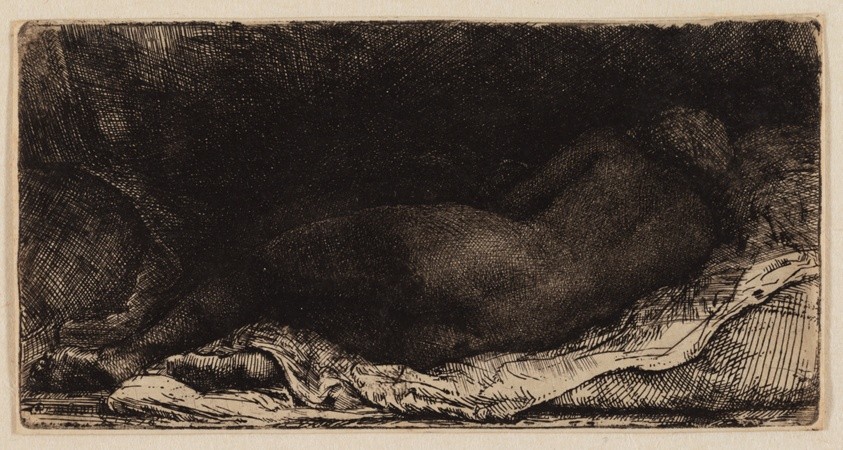
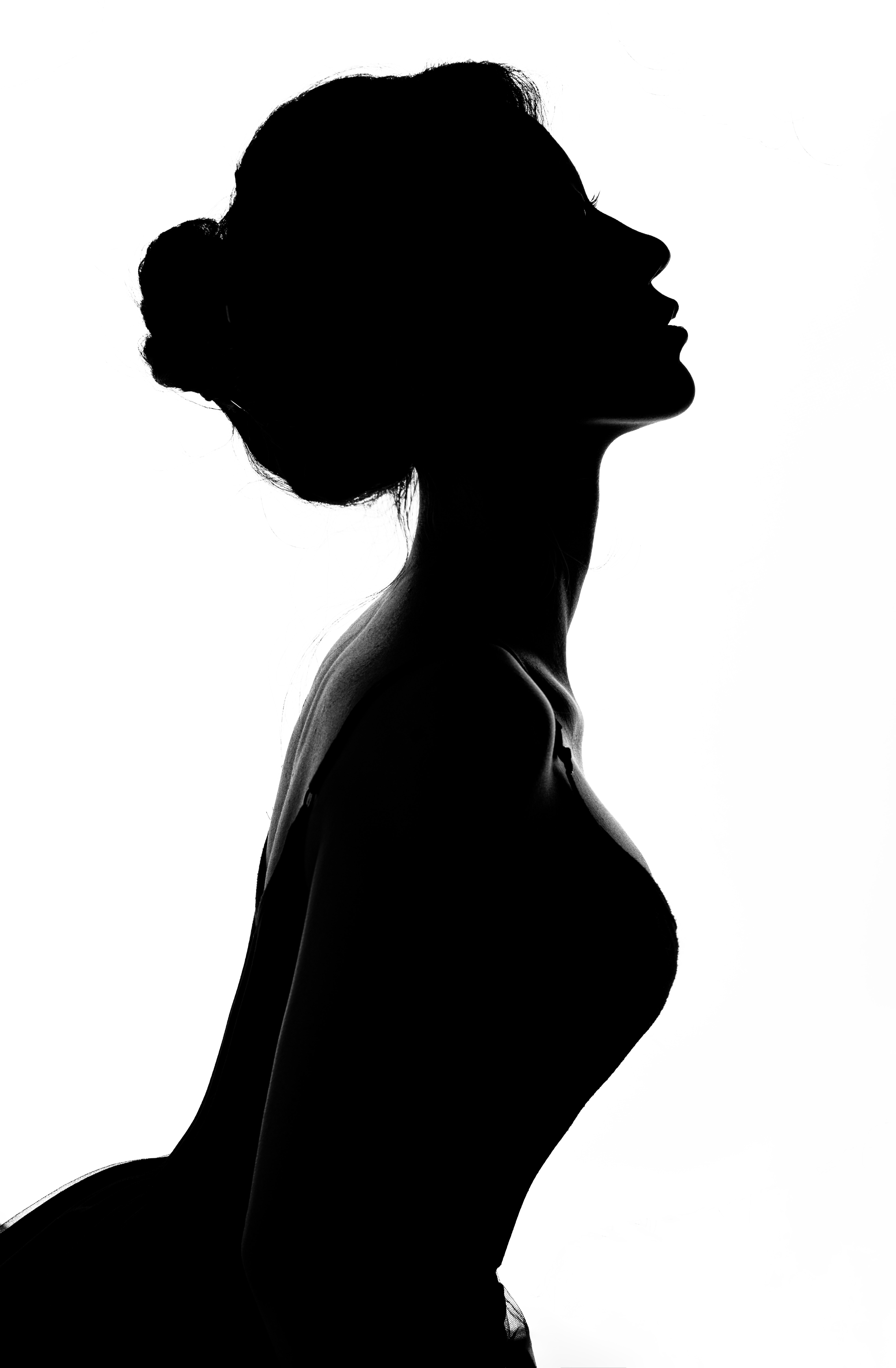
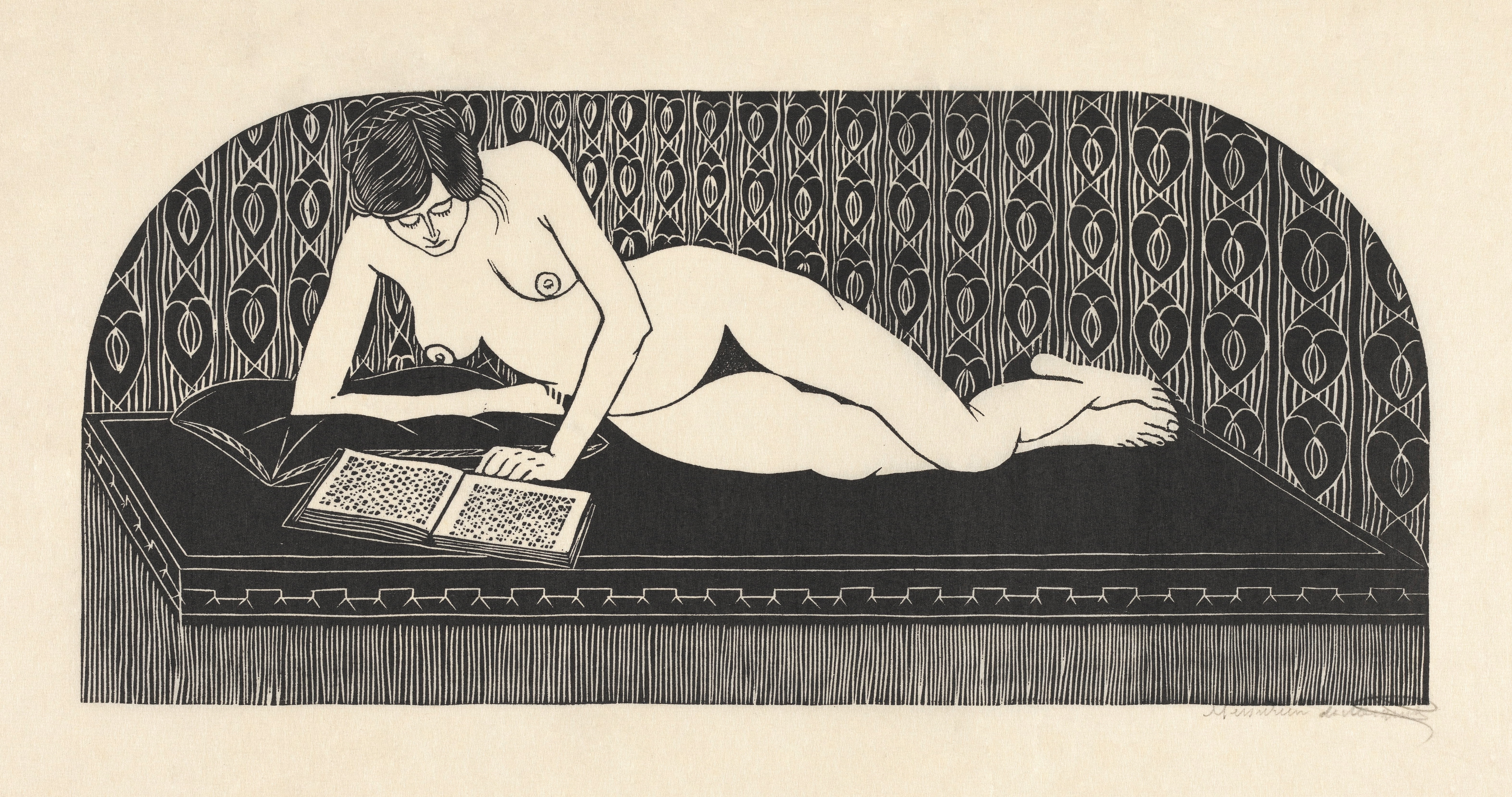
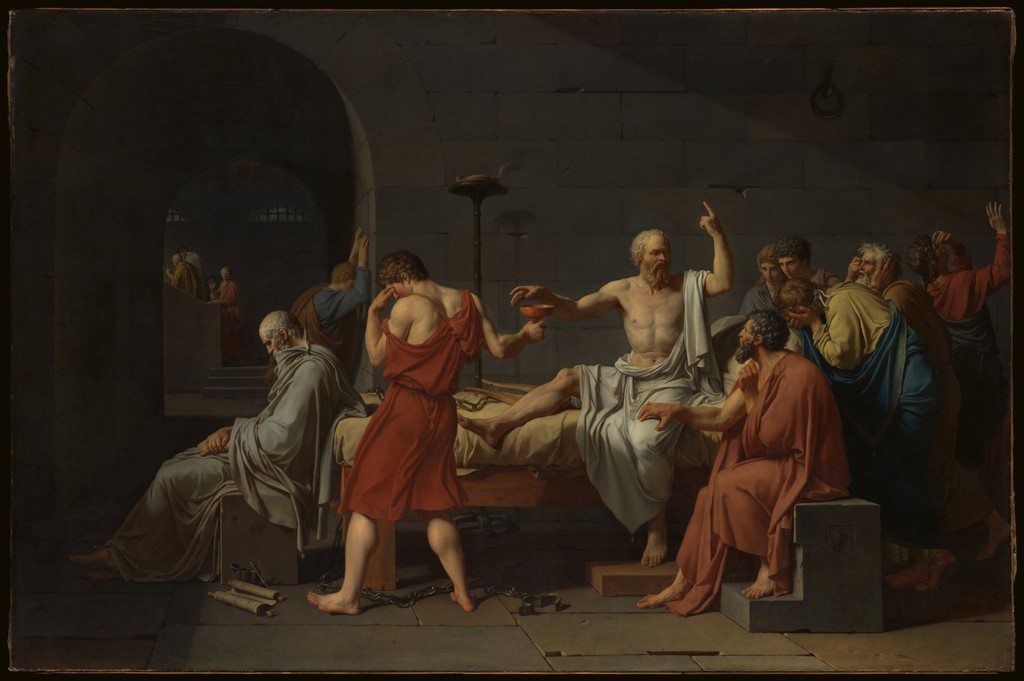
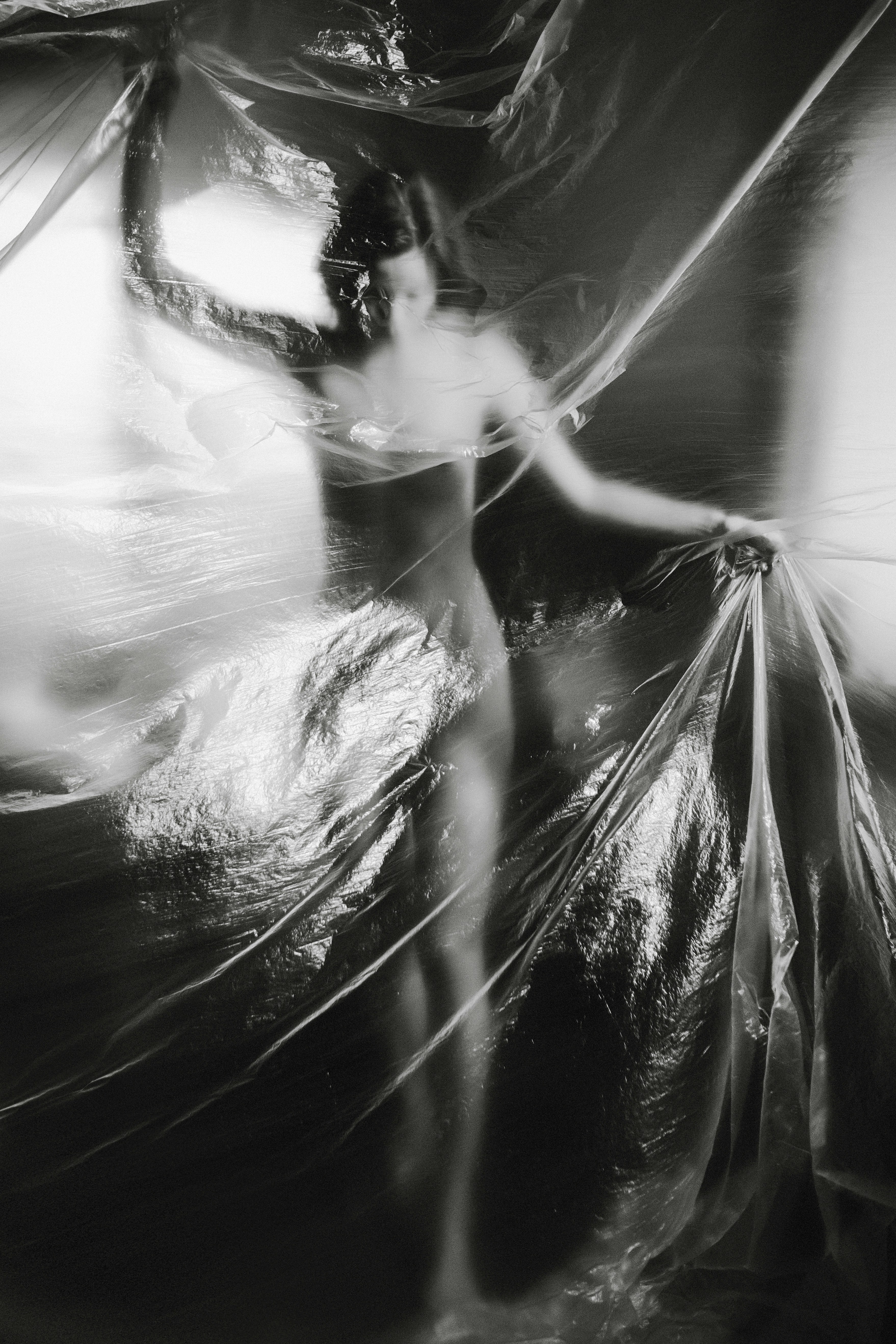
ChiaroscuroDramatic contrast between light and dark, where shadow defines form as much as illumination.Explore →
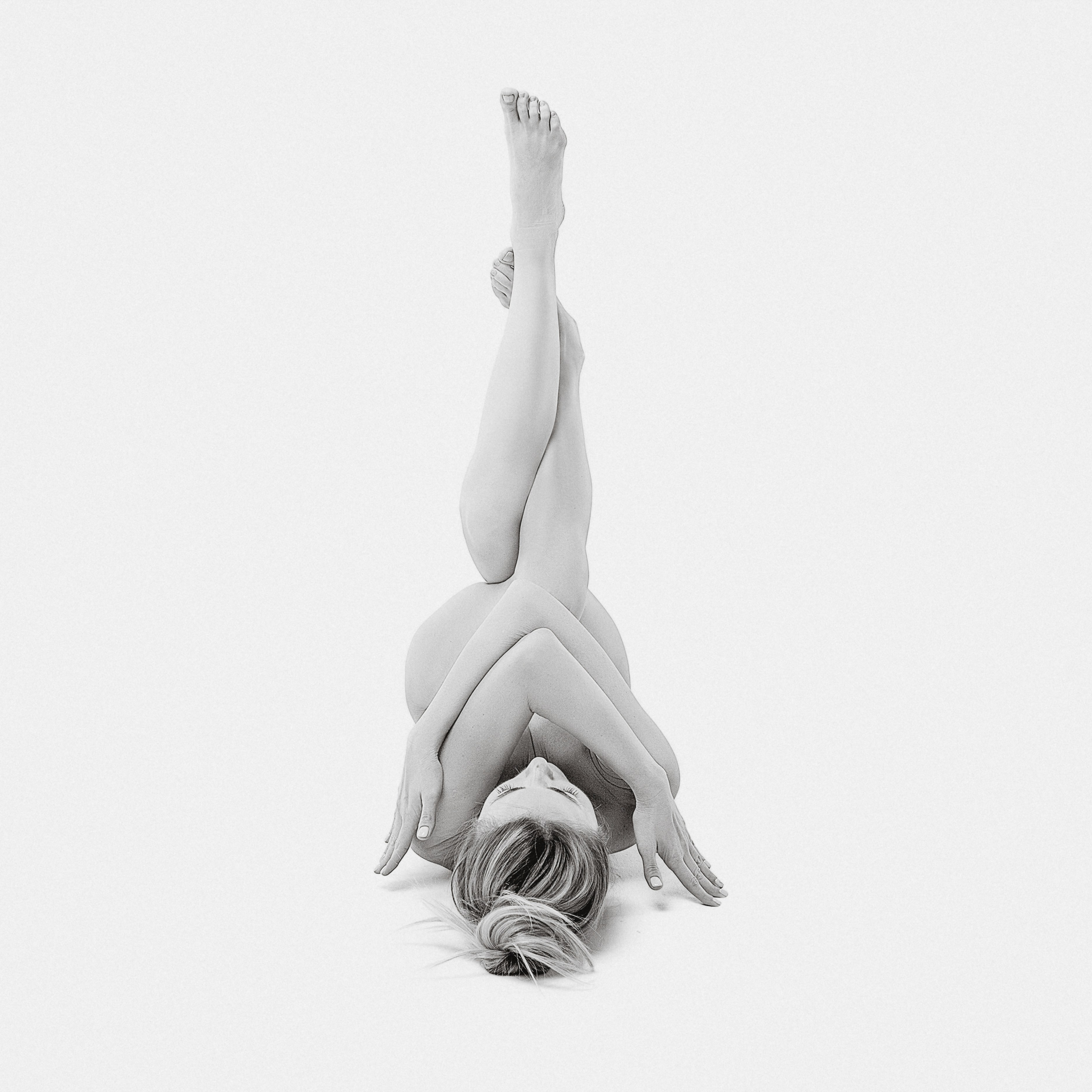
High KeyBright, even illumination with minimal shadow. The body exists in light rather than emerging from darkness.Explore →
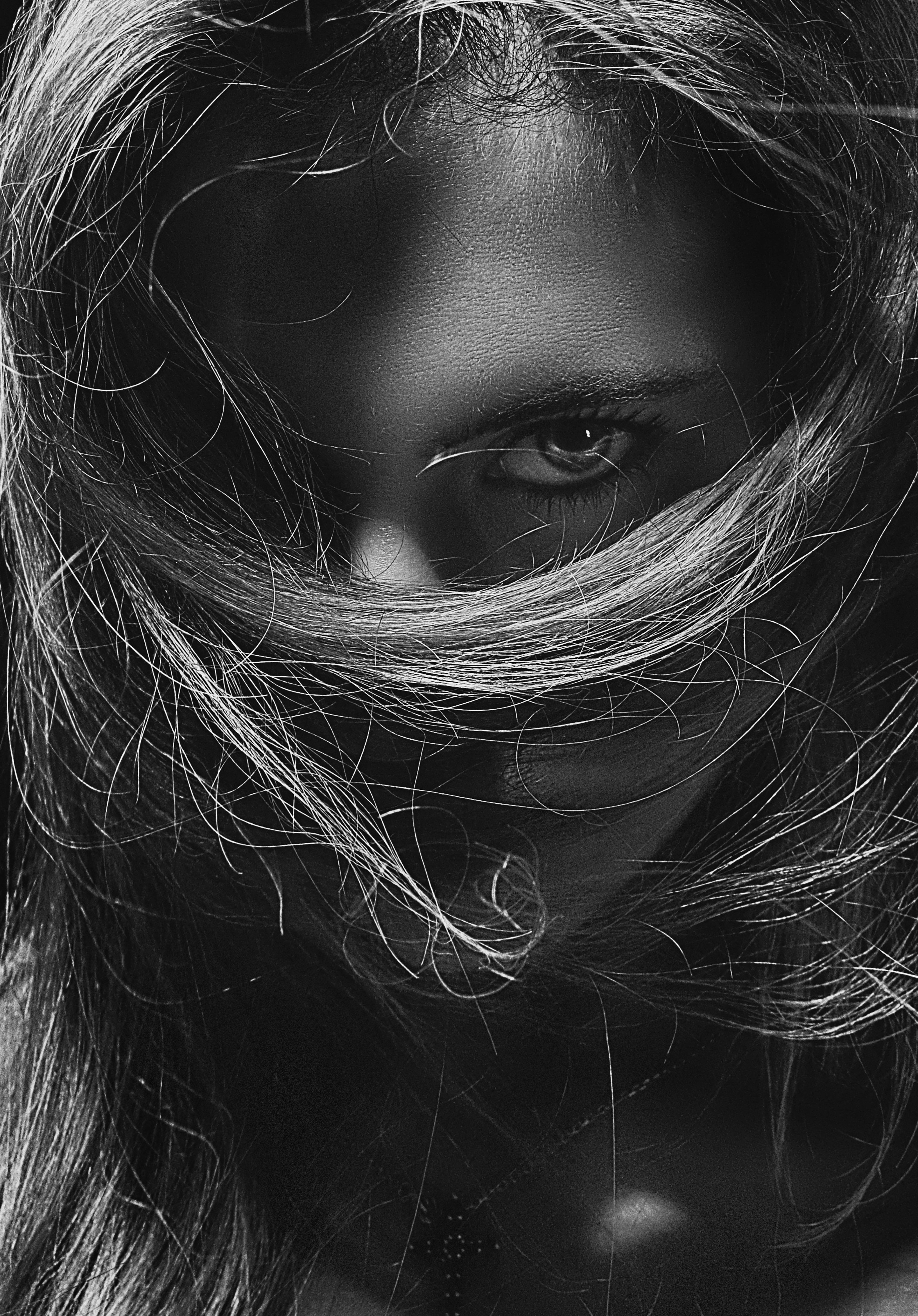
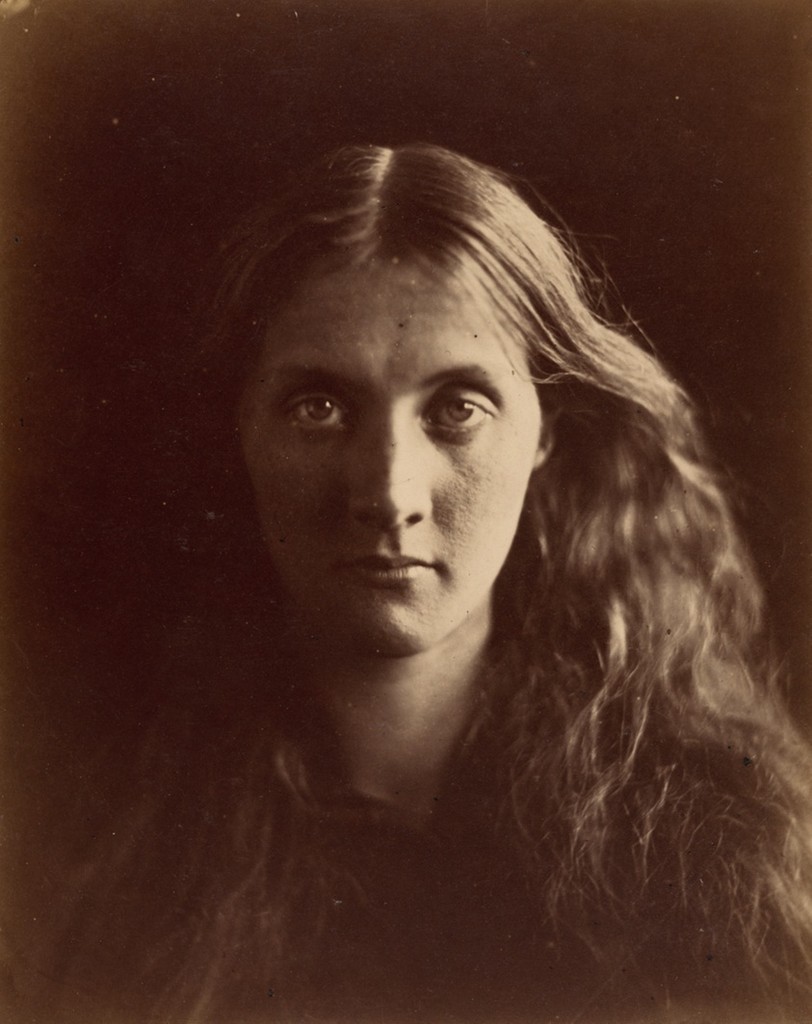
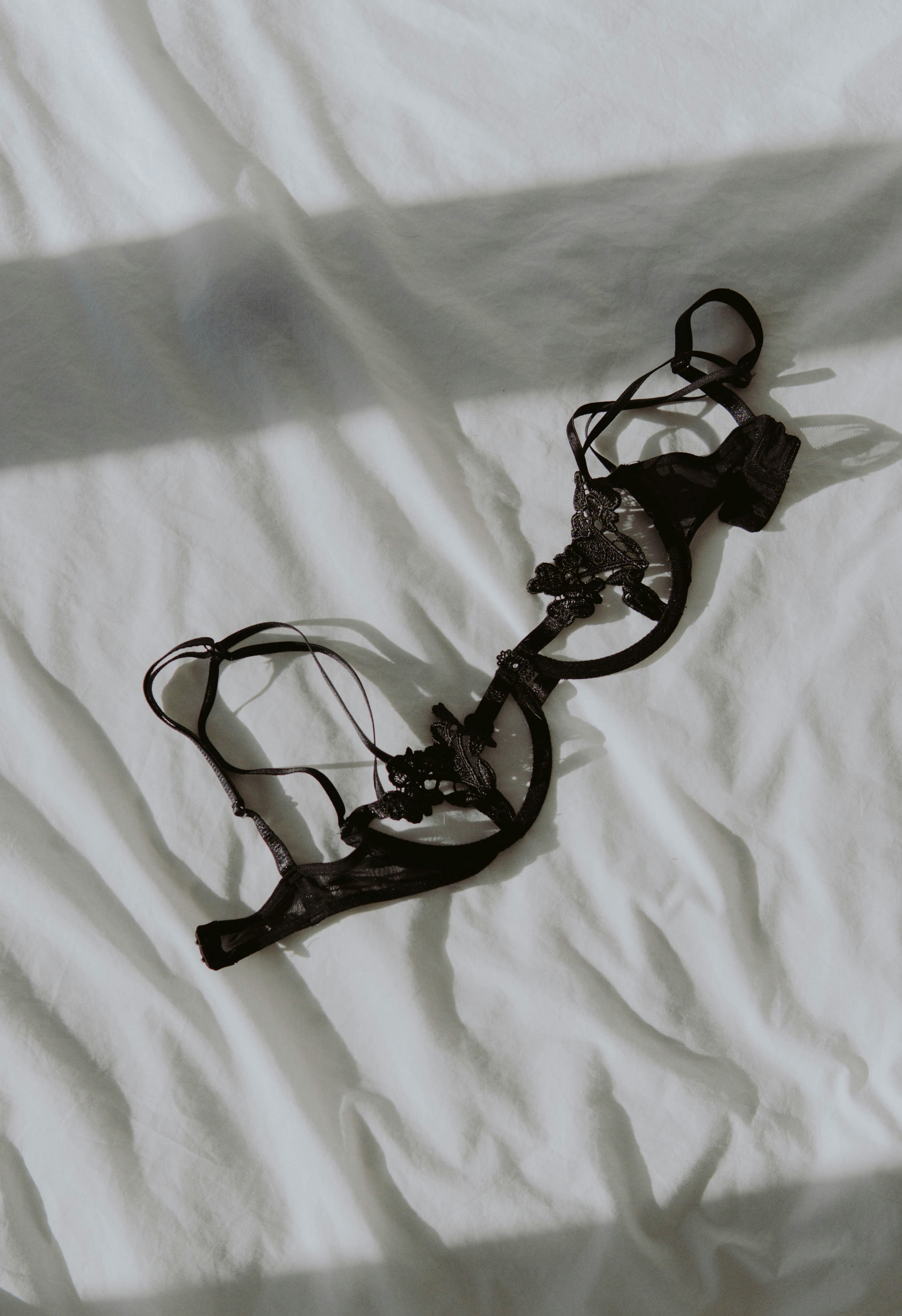
Rembrandt LightingCharacterized by a small triangle of light on the shadow side of the face or body, creating depth and psychological presence.Explore →
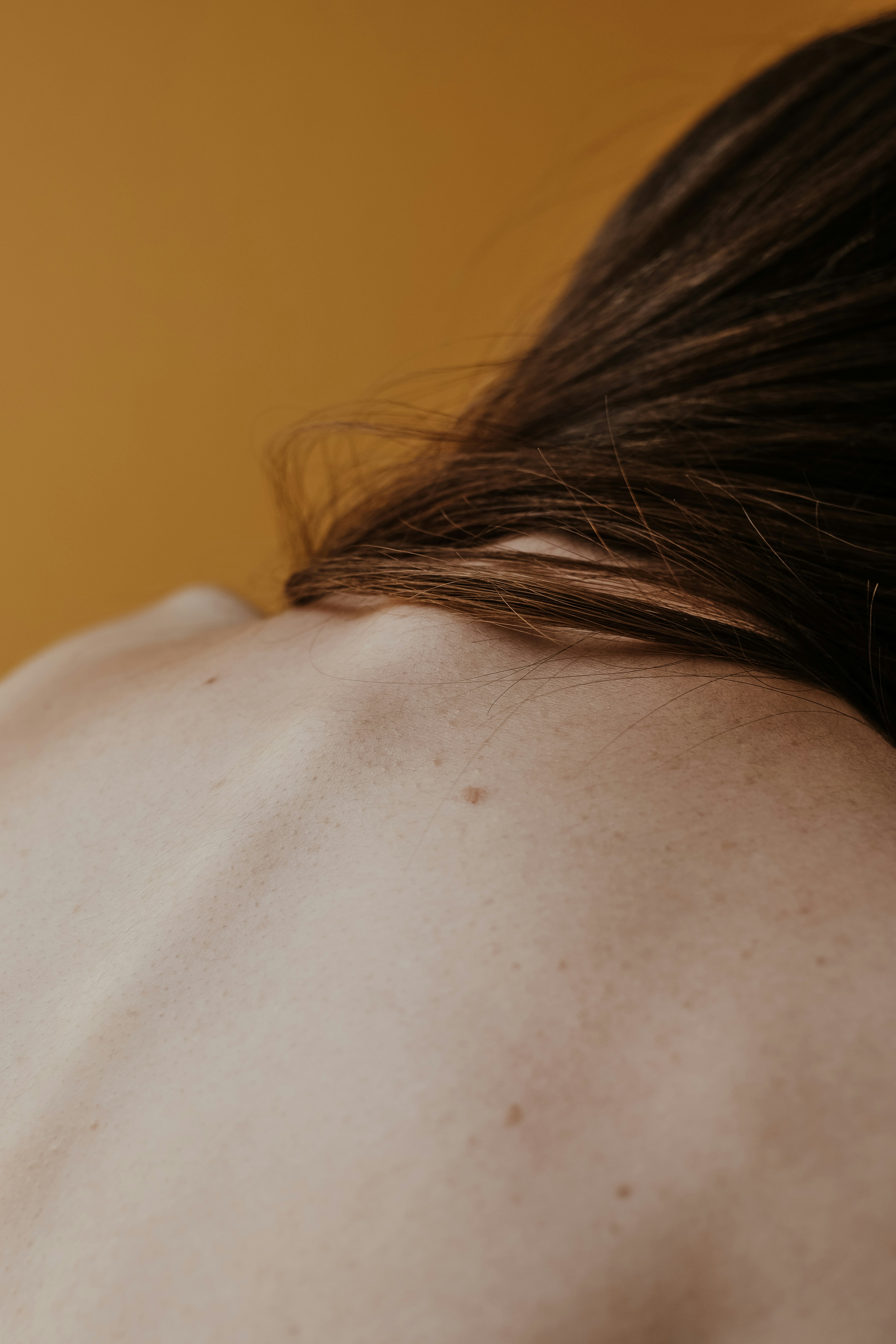
Soft Diffused LightEven, wrap-around illumination that reveals texture and surface without harsh shadow.Explore →
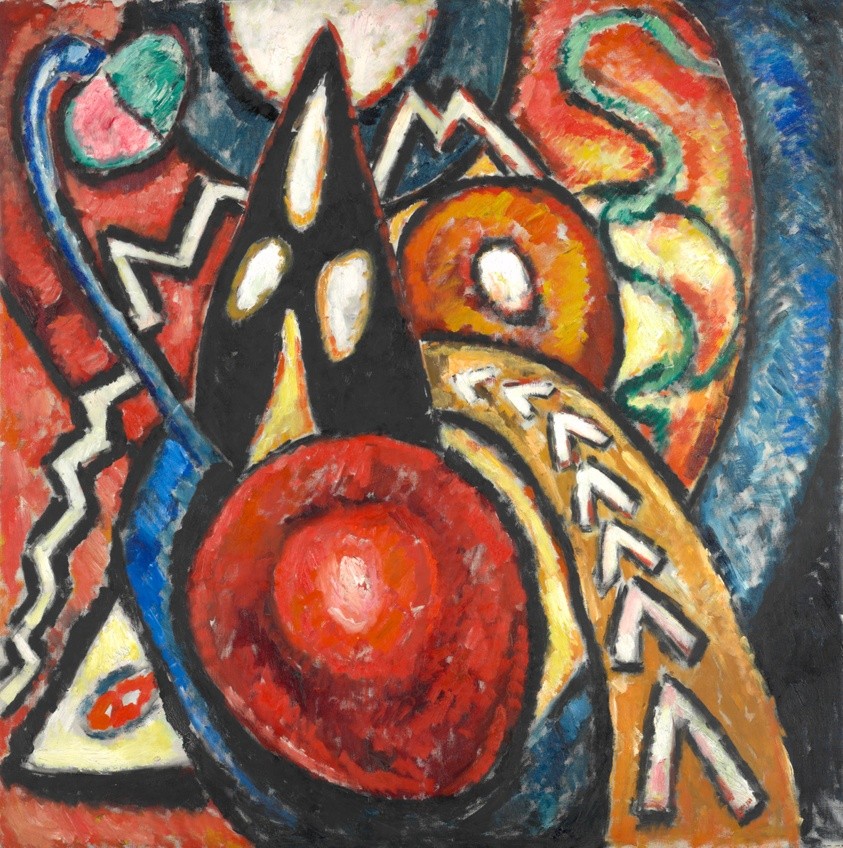
Abstract FormThe body abstracted to the point where it becomes pure form, line, and texture — recognizable as human but not literal.Explore →
Bauhaus / ConstructivistThe body as geometric form. Clean lines, strong angles, and the reduction of the human figure to structural elements.Explore →
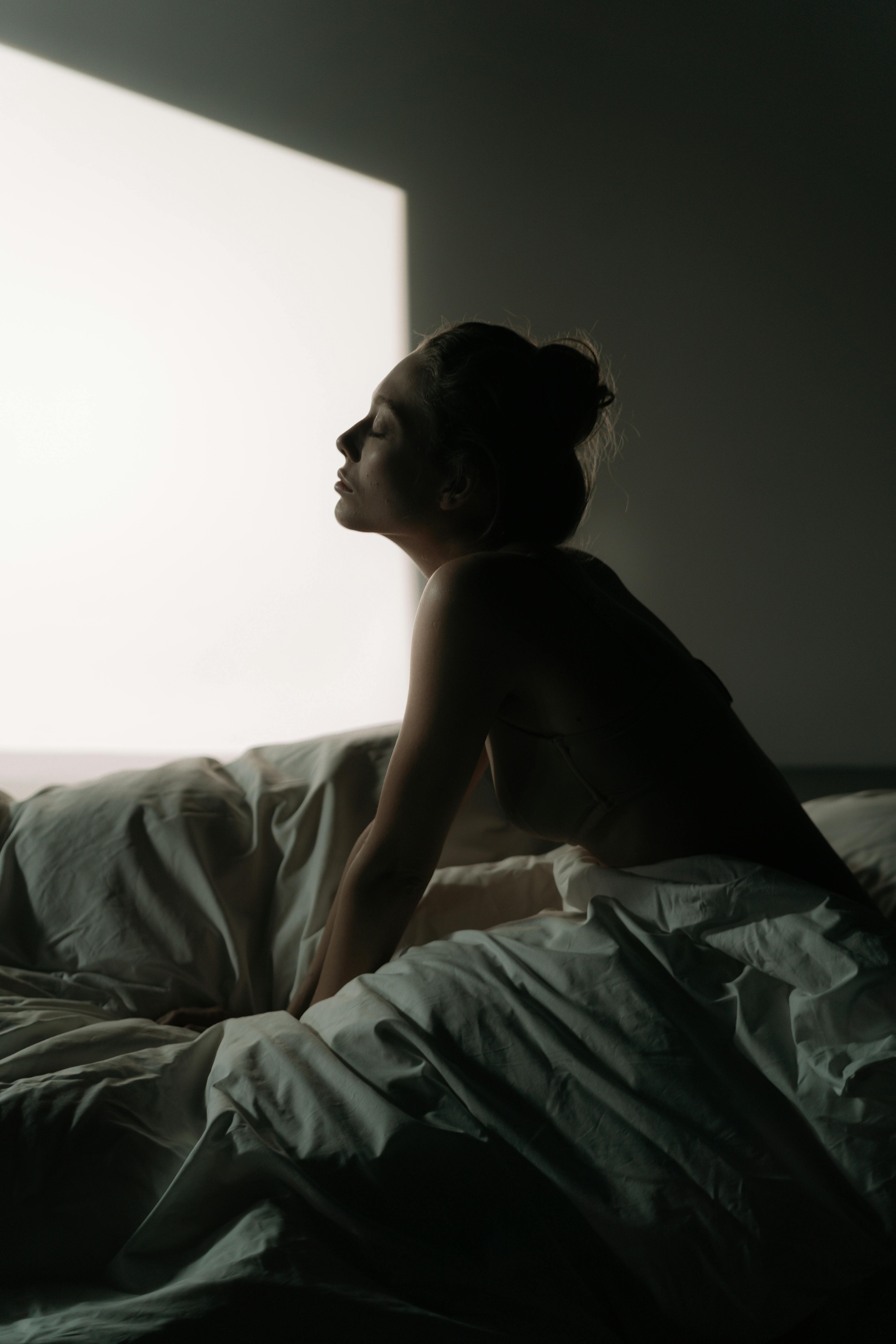
Cinematic StillThe photograph as frozen film frame. Narrative implied, story suggested, moment suspended.Explore →
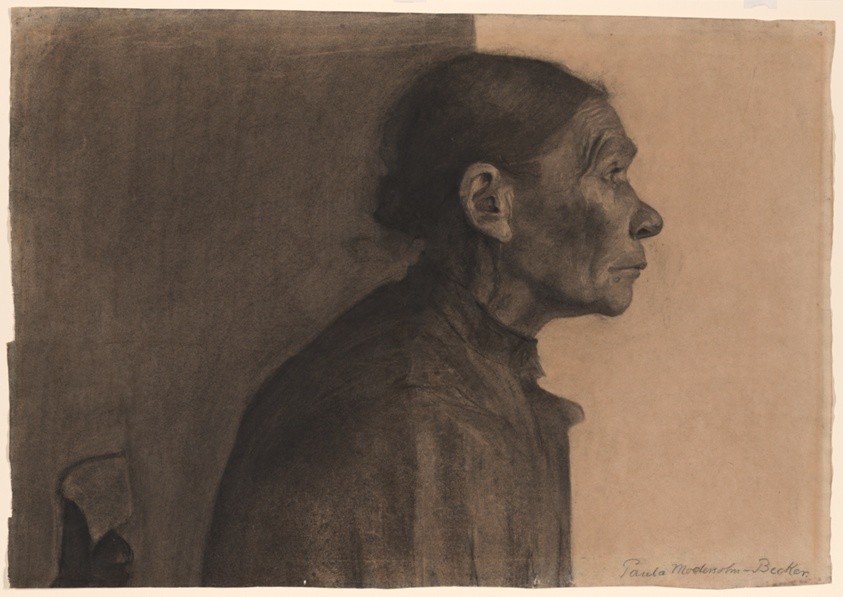
Documentary / Social RealistThe body as it is, in its environment, without idealization. Dignity through honesty.Explore →
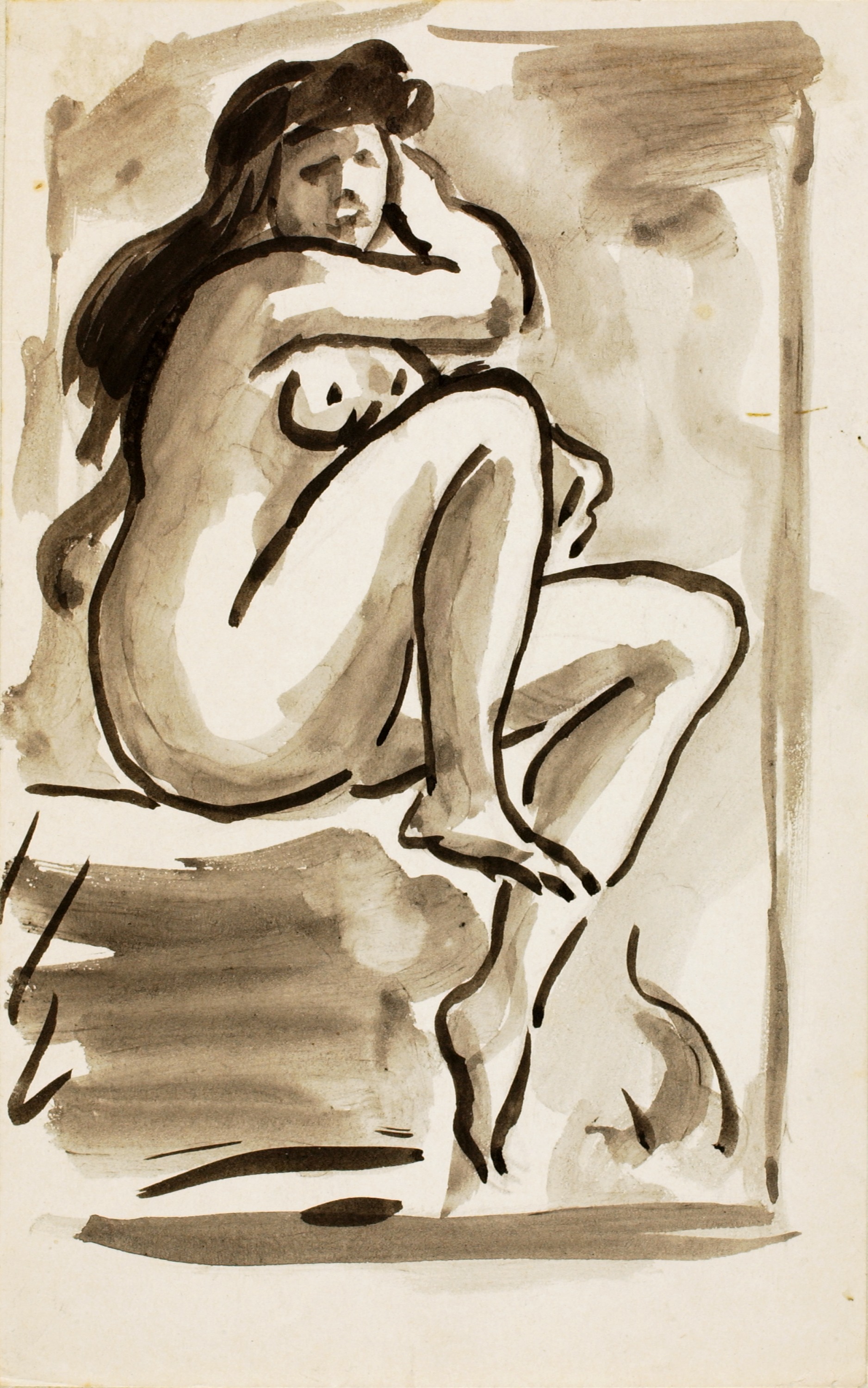
ExpressionistThe body as vehicle for emotional truth. Distortion, gesture, and intensity over beauty.Explore →
Fashion EditorialThe body as aesthetic statement, mediated through clothing, styling, and the language of high fashion.Explore →
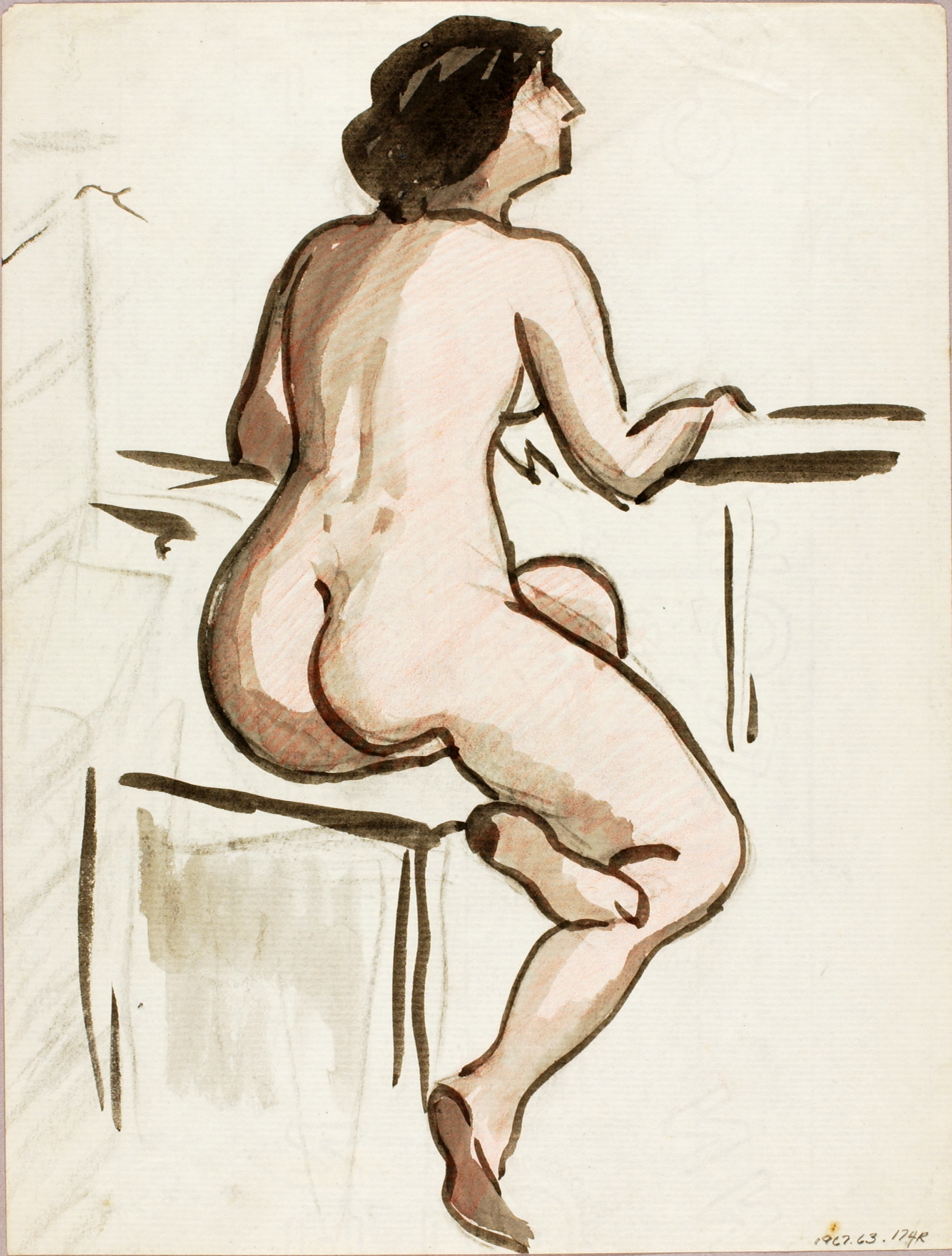
Fine Art ClassicalPhotography in dialogue with the life drawing and sculpture tradition. The body as timeless form.Explore →
Japanese MinimalismRestraint, negative space, and the suggestion of form through absence. Influenced by wabi-sabi and the Japanese aesthetic tradition.Explore →
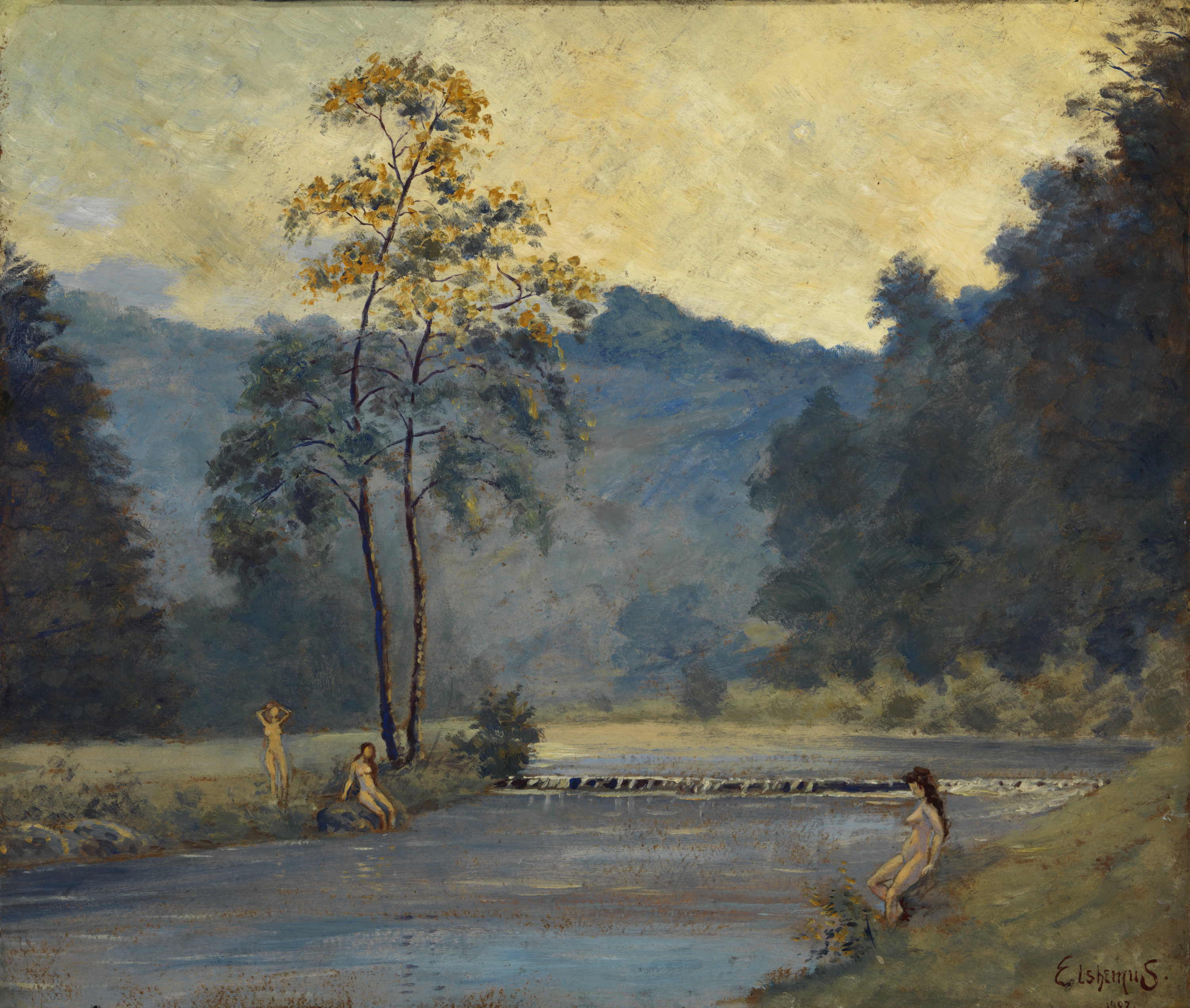
PictorialismPhotography treated as fine art through soft focus, tonal manipulation, and painterly composition. The photograph as expressive object rather than document.Explore →
Sculptural RealismForm emerging from material. The body as architectural and emotional fact.Explore →
Surrealist FigureThe body as dreamscape. Distortion, fragmentation, and the subconscious rendered visible through the figure.Explore →
Cyanotype / Blueprint AestheticThe distinctive blue-white tones of the cyanotype process applied to the figure — cool, otherworldly, scientific and beautiful simultaneously.Explore →
Double Exposure / Multiple ExposureTwo realities occupying the same frame. The body merged with landscape, texture, or another body.Explore →
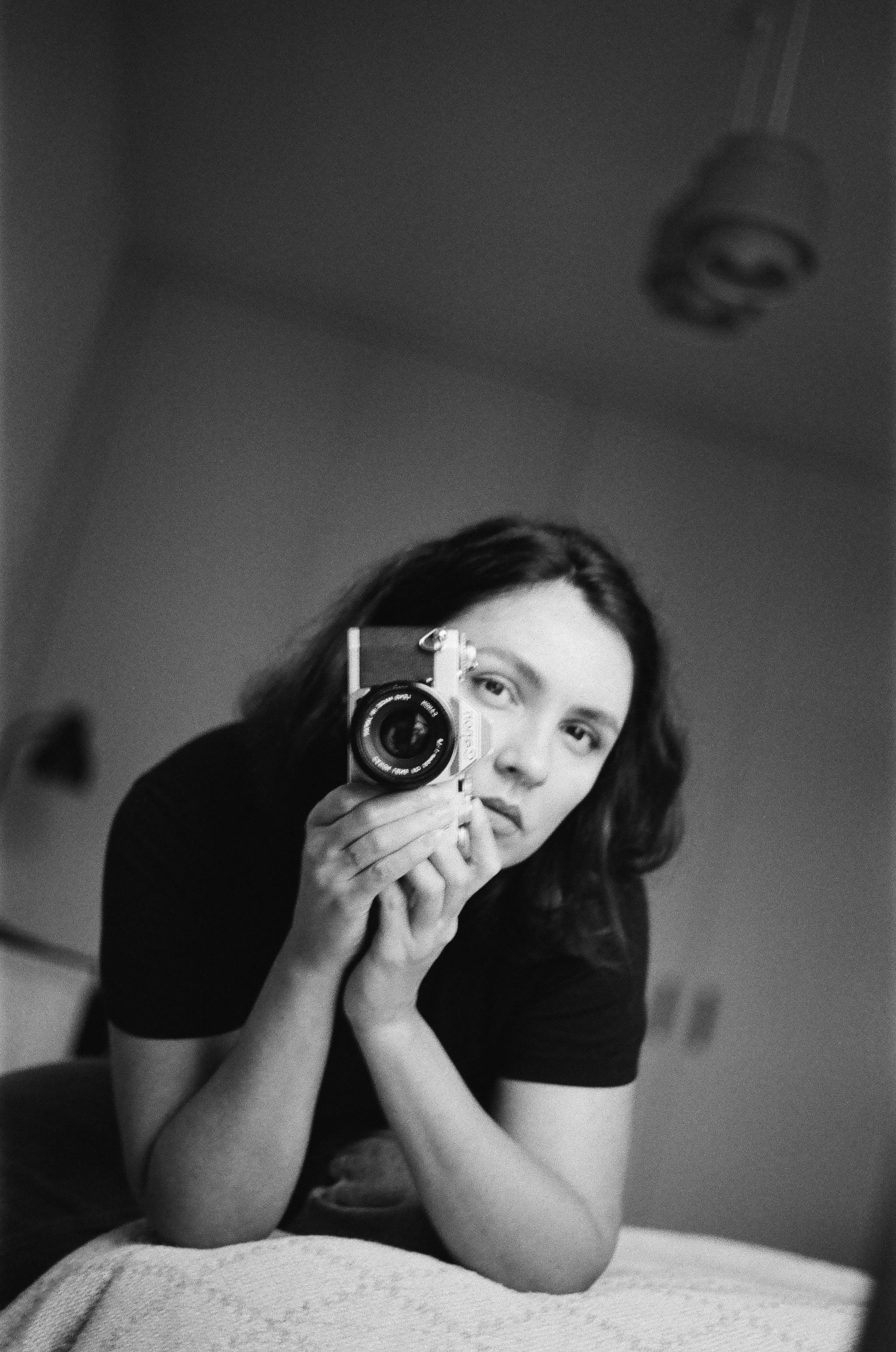
Grain / High ISO AestheticVisible grain as aesthetic choice. The materiality of the photographic medium made visible.Explore →
InfraredInfrared photography renders skin luminous and otherworldly, transforming the body into something between flesh and light.Explore →
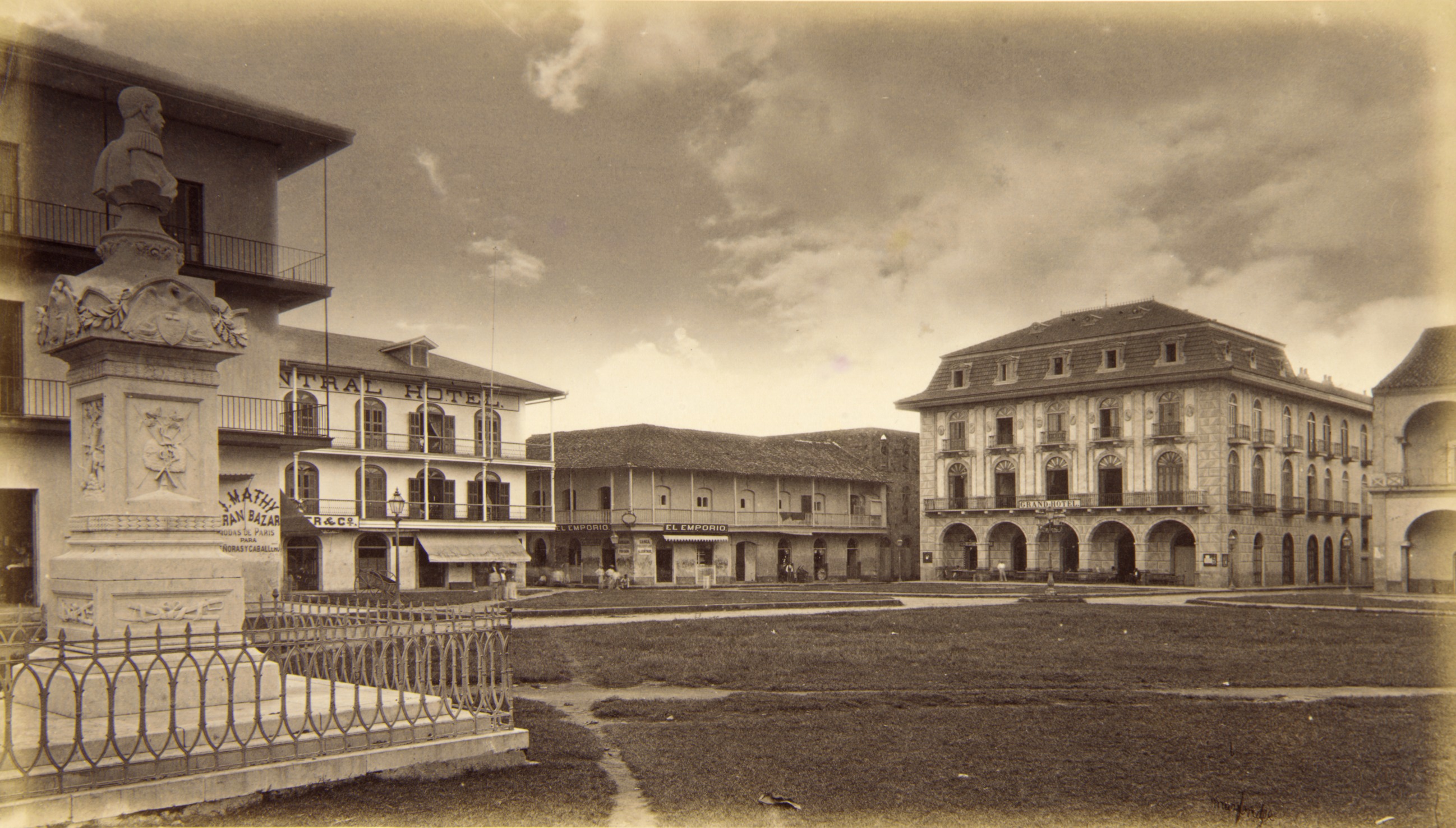
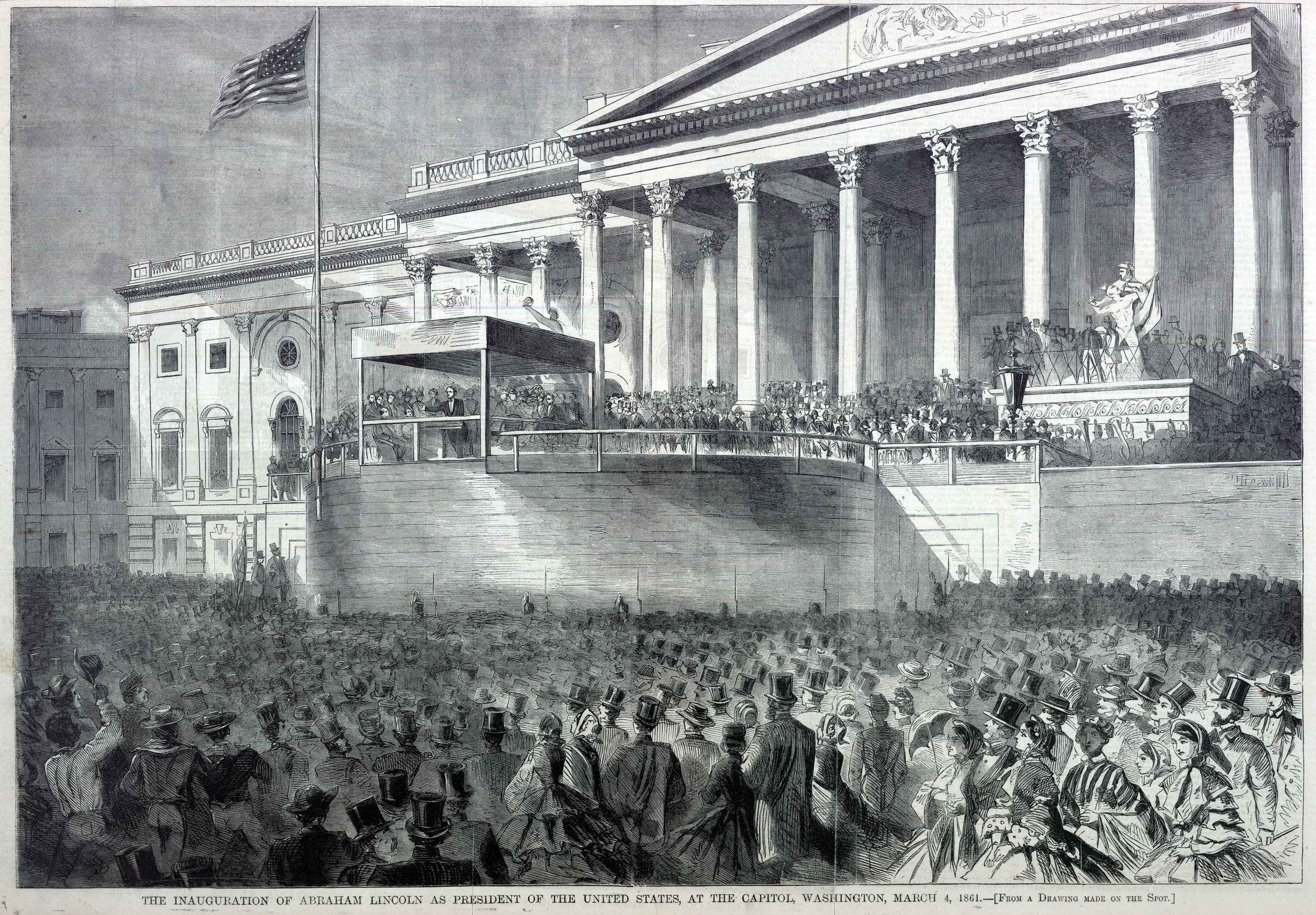
Wet Plate / Tintype AestheticThe visual language of 19th century photography — tonal richness, imperfection, and the sense of time.Explore →