Shame
Shame travels through the body before it reaches language — the head drops, the chest contracts, the eye refuses contact. Vela treats it as a primary emotion in its own right, not a flavor of guilt, and pays attention to how rarely it stays alone: it arrives bundled with anger, with exposure-dread, with the temptation to hide and the temptation to perform.
Working definition · The sense that the self, not only the act, is flawed, exposed, or unworthy.
5329 passages · 5 Vela essays · in 1 cluster
Vela’s read on this emotion
Shame is one of the emotions Vela returns to most often, because the writers who have written most honestly about being human keep coming back to it.
The reading is primarily through memoir. Mary Karr returns to shame across her body of work — the alcoholic father, the mother who left, the long re-encounter with her own younger self. Carmen Maria Machado, in *In the Dream House*, writes about shame inside intimate-partner abuse in a register the genre had not previously held: the shame of staying, the shame of having seen, the shame of needing to tell. The testimony of the AIDS years — the personal essays and oral histories that came out of ACT UP, the activist coalition that confronted the early epidemic — keeps shame as a constant under-tone, alongside the rage.
Shame also runs through the Christian theological inheritance. Augustine of Hippo, writing the *Confessions* in the late fourth century, installed a particular shape of shame in the Western conscience — and almost every Christian thinker since has inherited that installation, ratified it, or argued against it. The lineage runs carefully through the reading.
Shame is not the same as guilt. Guilt is about an act — *I did a bad thing.* Shame is about the self — *I am a bad thing.* The two often arrive together, but they cost the person carrying them different things, and Vela reads them separately.
Shame travels in a family. Humiliation, mortification, embarrassment, exposure-dread, chagrin — each has its own pitch, but the family resemblance is unmistakable.
What is intentionally light here is the contemporary clinical literature. The choice is editorial: testimony is more textured than measurement. *On Shame* — the slower companion essay in the magazine — tracks the word's history and weight; this page opens onto the passages, the pairings, and the writers who have made shame a serious subject.
Study and magazine
Long-form guide in the magazine
*On Shame* — the slower companion essay. How the word lives in language, how it travels in the passages Vela reads, and how it differs from its near cousins. The historical pillar *Augustine, or How the West Learned to Be Ashamed* tracks the installation of the Western inheritance.
Read the guideNo curator pairings published for shameyet. Pairings are the slow editorial work — a curator argues that one specific passage and one specific image, set against each other, hold the same feeling. When they’re ready, they live here.
Tagged images
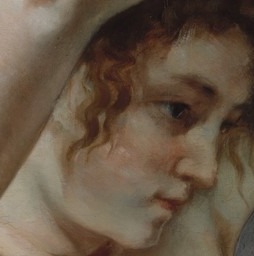
Images attested as carrying shame — through curator pairings, the illustration corpus, or the accumulated picks of readers using Connect. Not a verdict on any single image; a record of what others have said it holds.
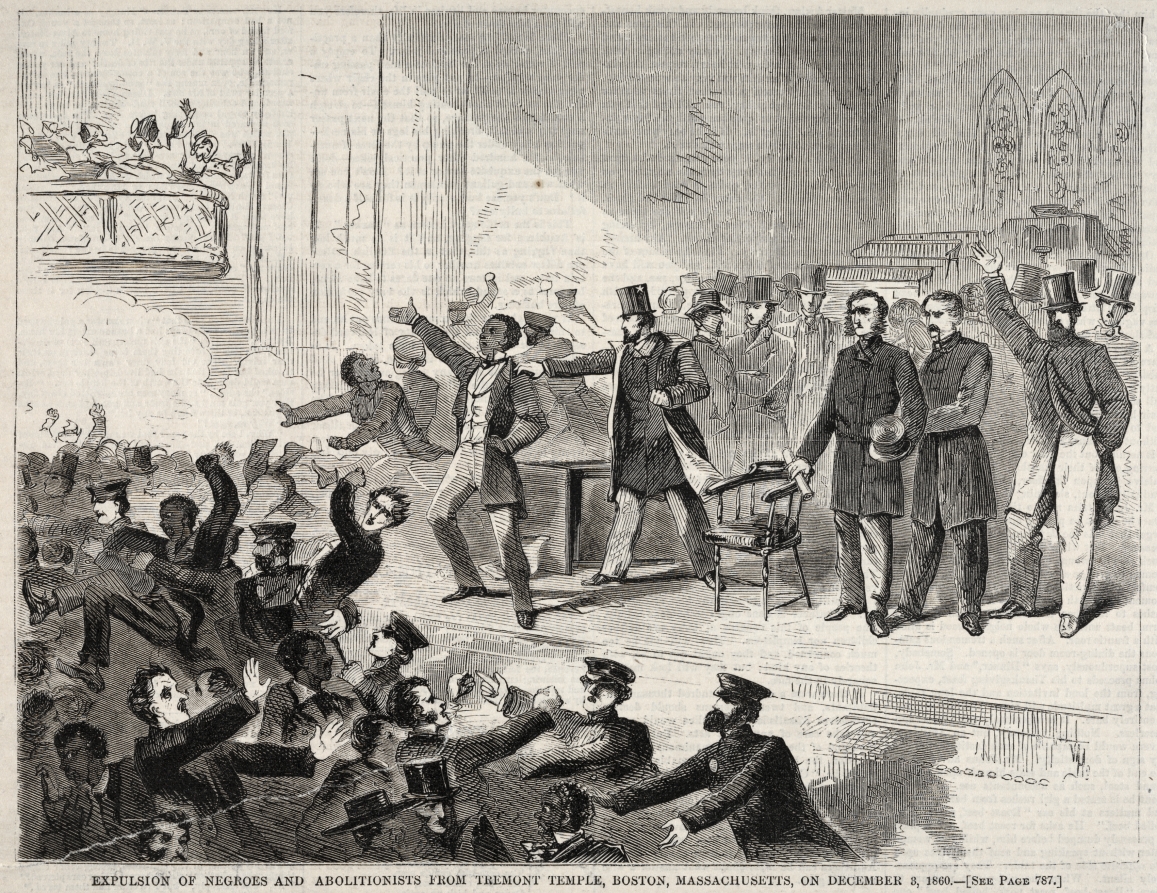
Expulsion of Negroes and Abolitionists from Tremont Temple, Boston, Massachusetts, on December 3, 1860
Curator
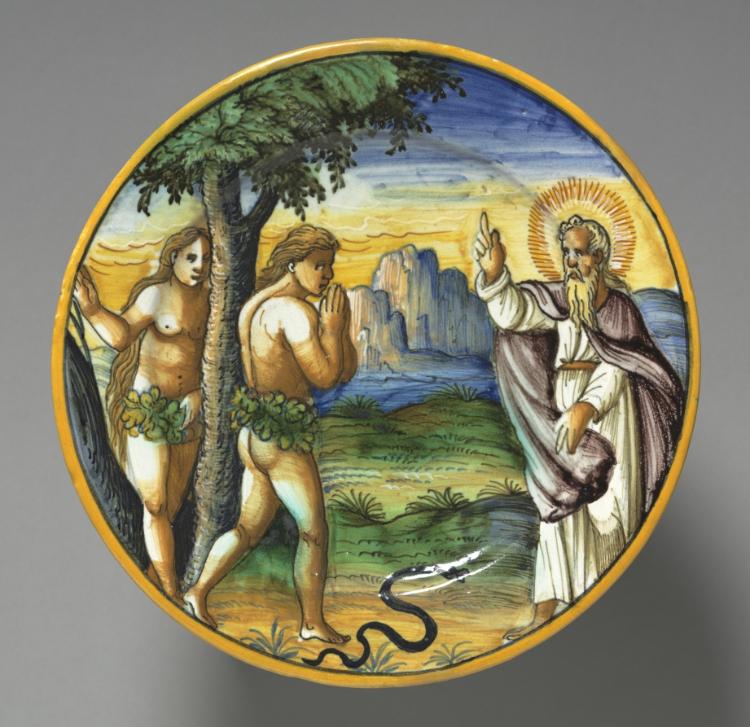
Dish Depicting the Expulsion
Curator
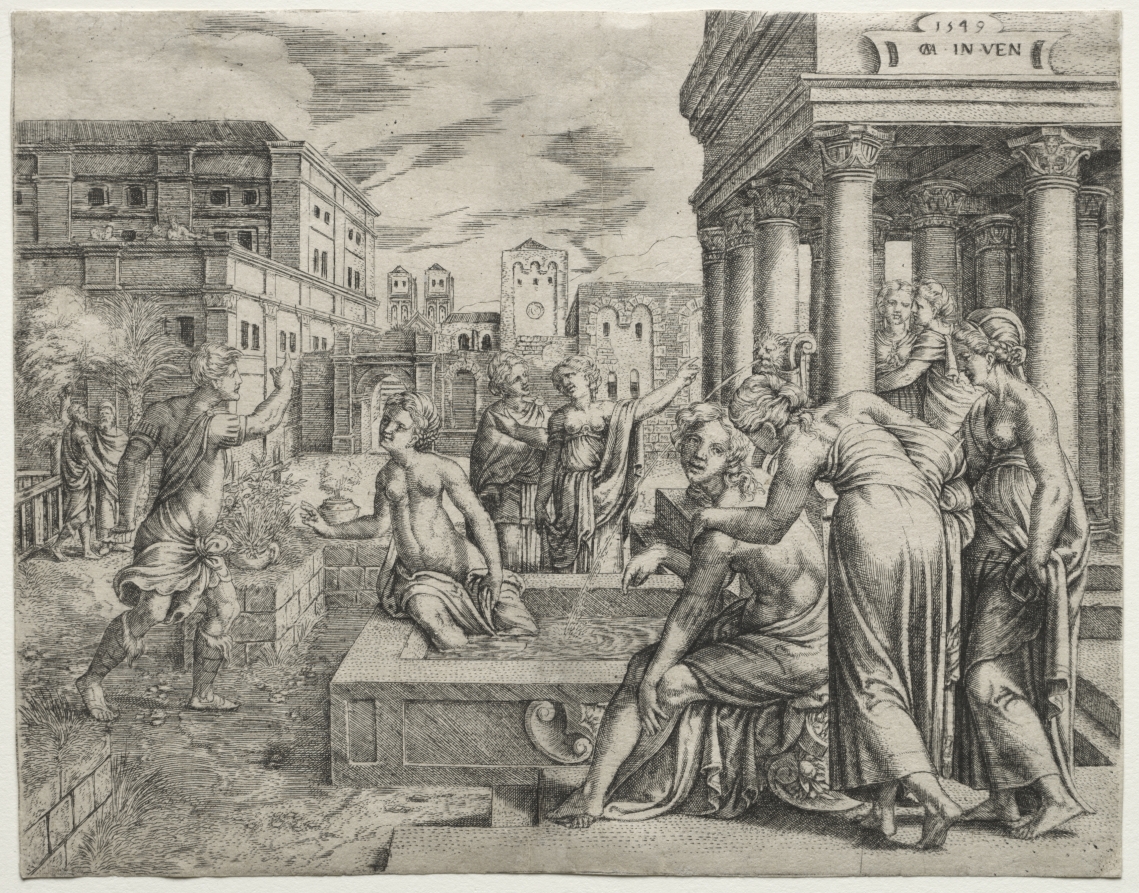
Bathsheba in the Bath
Curator

Winter Morning, Unguarded
Paired with passage

Curtain of Gold
Paired with passage
One Small Clasp
Paired with passage
Elsewhere
Paired with passage

Mäda Primavesi (1903–2000), Gustav Klimt | The Met
Paired with passage