Grief
Grief is love that has lost its object and refuses to stop being love. The body keeps a place set; the throat catches on the wrong name; whole rooms reorganize themselves around an absence. Vela treats grief as a primary emotion — not a stage to move through, not a problem to resolve — and reads it through the writers who have stayed long enough with it to know its weather.
Working definition · The weight of absence; love continuing without its object or without resolution.
5254 passages · 6 Vela essays · in 1 cluster
Vela’s read on this emotion
Grief is one of the emotions Vela reads most patiently, because the writers who have stayed long enough with it are the ones worth following.
The reading is primarily through memoir. Joan Didion's *The Year of Magical Thinking*, written after the sudden death of her husband, is the modern reference for grief inside the marriage. Helen Macdonald's *H Is for Hawk* reads grief for a father through a year of training a goshawk. Chimamanda Ngozi Adichie writes about her father's death in *Notes on Grief*. Anne Carson's *Nox* — a memorial for her brother — is grief built as an accordion-folded book of fragments, photographs, and a translation of Catullus 101. Alongside the memoir, the fiction that holds an absence at its center — Marilynne Robinson's *Gilead*, Toni Morrison's *Beloved* — names the same weight in a different form.
Grief also runs through the contemplative inheritance. The Psalms keep an unembarrassed register of lament. The elegiac tradition — from Greek elegy through Milton's *Lycidas* through W. S. Merwin — gives grief a verse form. The Japanese practice of *kintsugi*, repairing broken pottery with gold so the breakage shows, names a posture toward repair that doesn't pretend the break didn't happen.
Grief is not the same as sadness, and it is not the same as yearning. Sadness can arrive without a specific absent object; grief has one. Yearning faces forward, toward what might still arrive; grief faces backward, toward what won't return. The work of grief is reorganization around the absence, not movement past it.
What is intentionally light here is the stage-model literature. *On Grief* — the slower companion essay in the magazine — is a reading, not a model: how the word lives in language, in the passages Vela returns to, and in the pairings between passage and figurative image.
Study and magazine
Long-form guide in the magazine
*On Grief* — the slower companion essay. How the word lives in language, in the testimony Vela reads, and in the pairings between passage and figurative image. Not a stage model; a reading.
Read the guideNo curator pairings published for griefyet. Pairings are the slow editorial work — a curator argues that one specific passage and one specific image, set against each other, hold the same feeling. When they’re ready, they live here.
Tagged images
Images attested as carrying grief — through curator pairings, the illustration corpus, or the accumulated picks of readers using Connect. Not a verdict on any single image; a record of what others have said it holds.
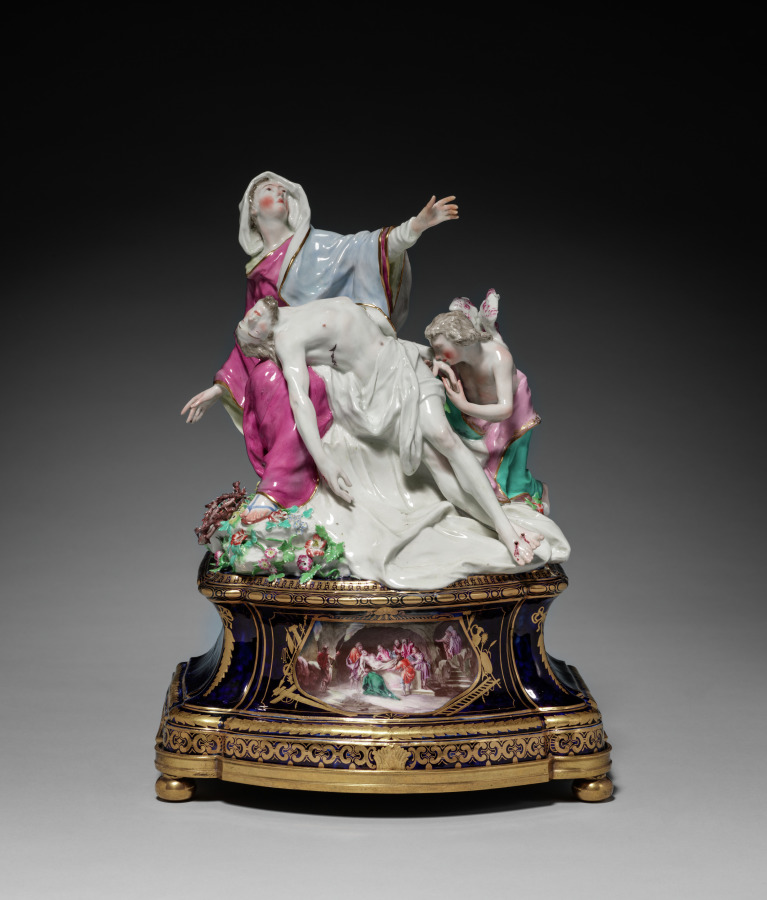
Figure of the Pietà
Curator
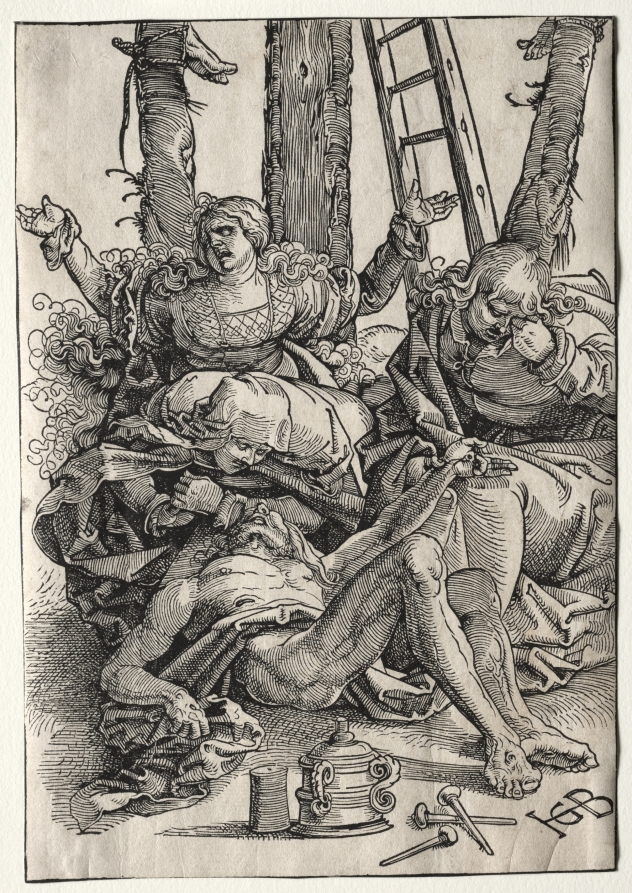
Lamentation
Curator
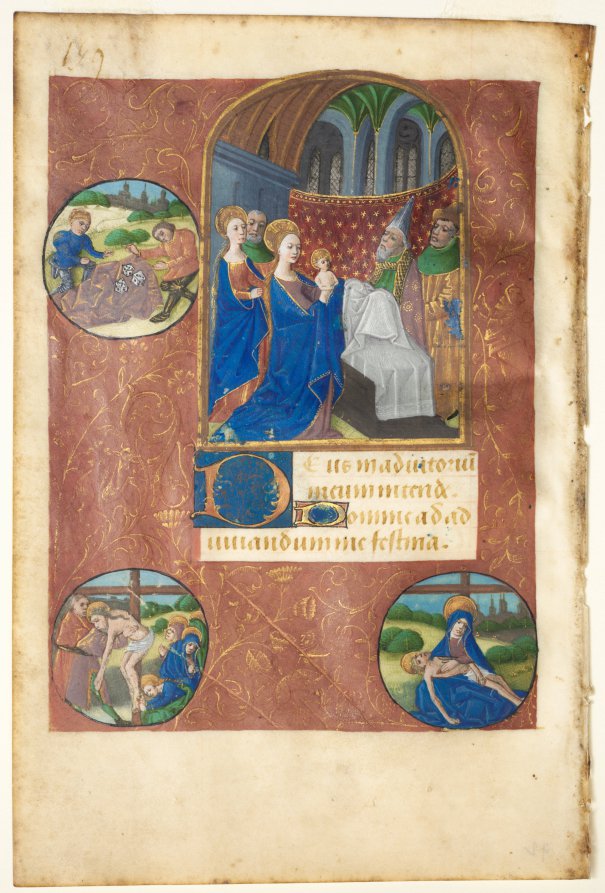
Leaf from a Book of Hours: Presentation in the Temple with Roundels of the Casting of Lots, the Deposition, and Pietà (None, Office of the Virgin)
Curator
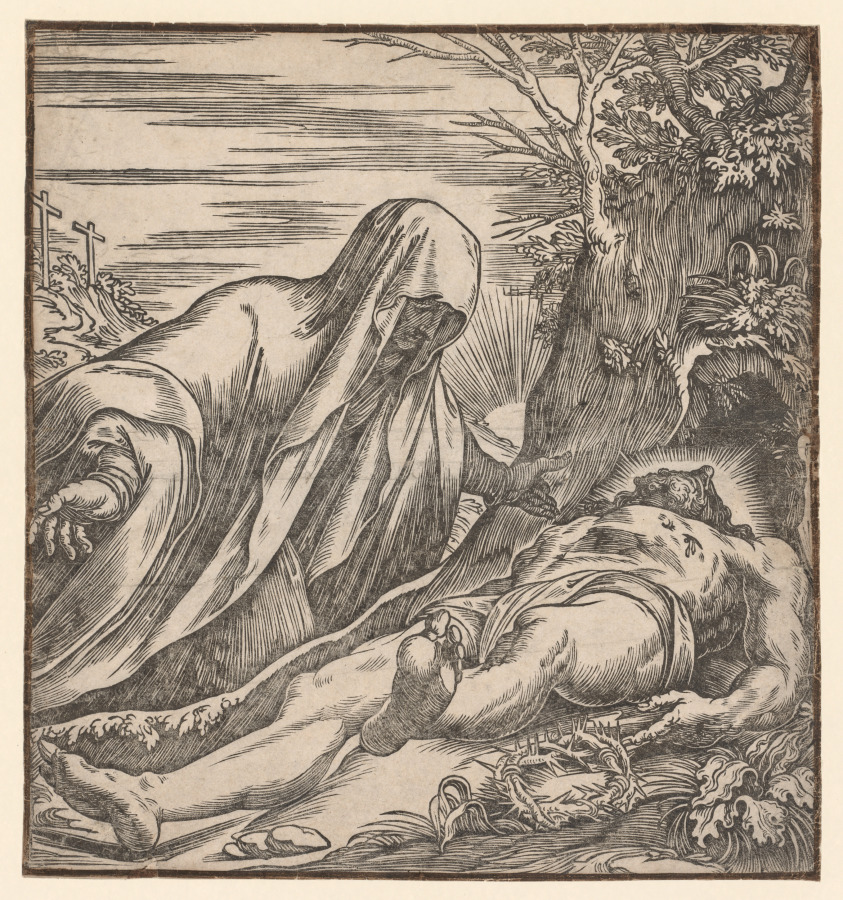
Lamentation over the Body of Christ
Curator
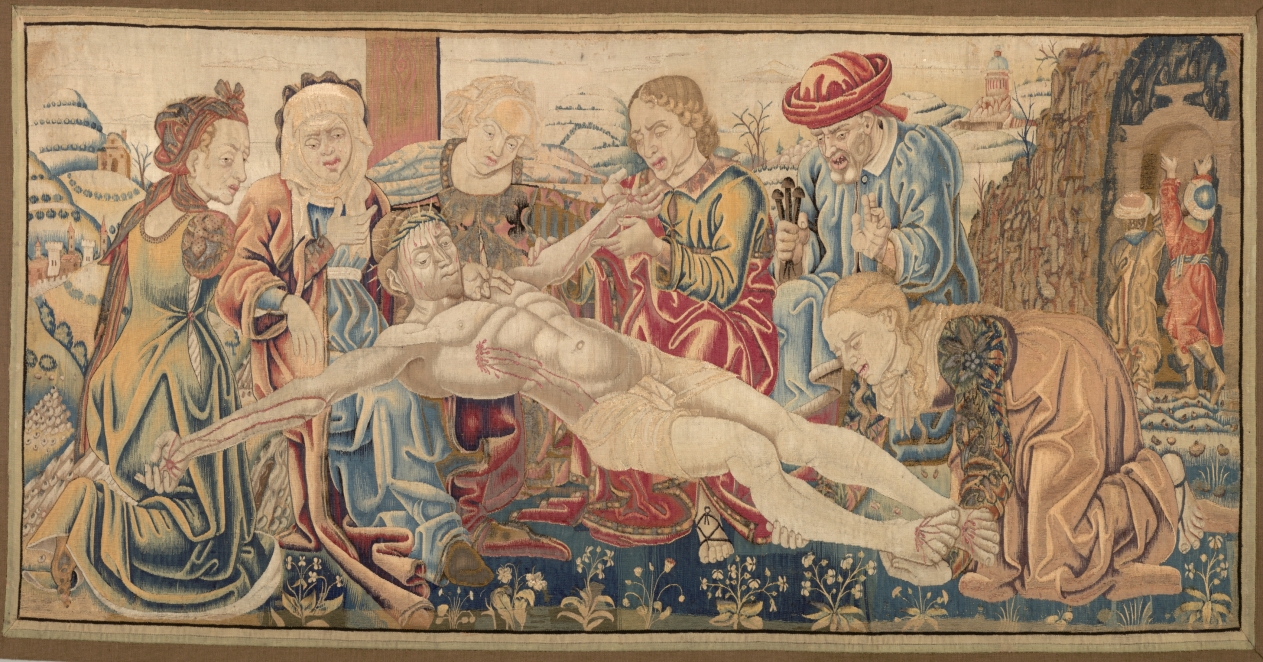
Altar Frontal with the Lamentation
Curator
Hours of Queen Isabella the Catholic, Queen of Spain: Fol. 260v, Pieta
Curator
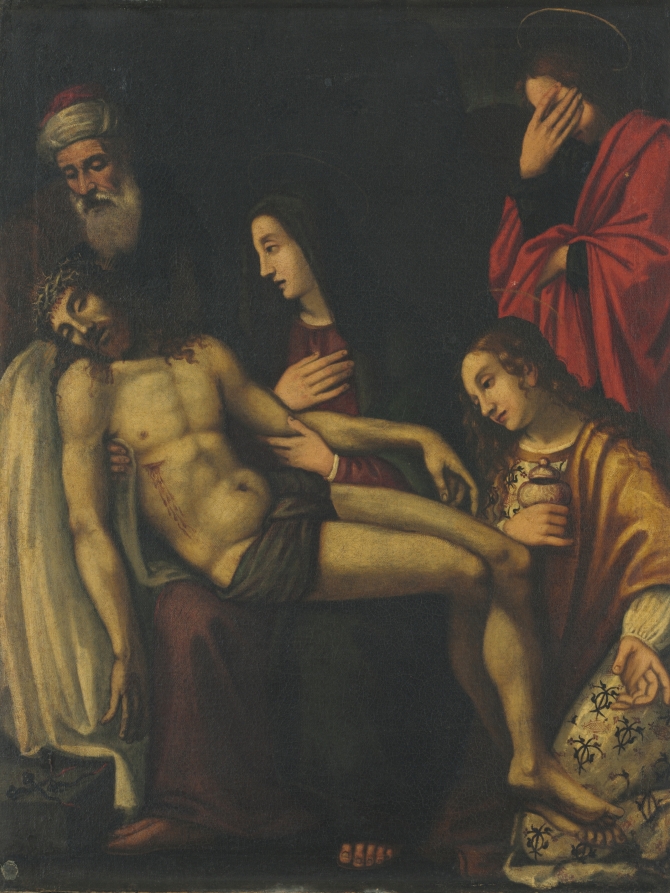
Pietà
Curator
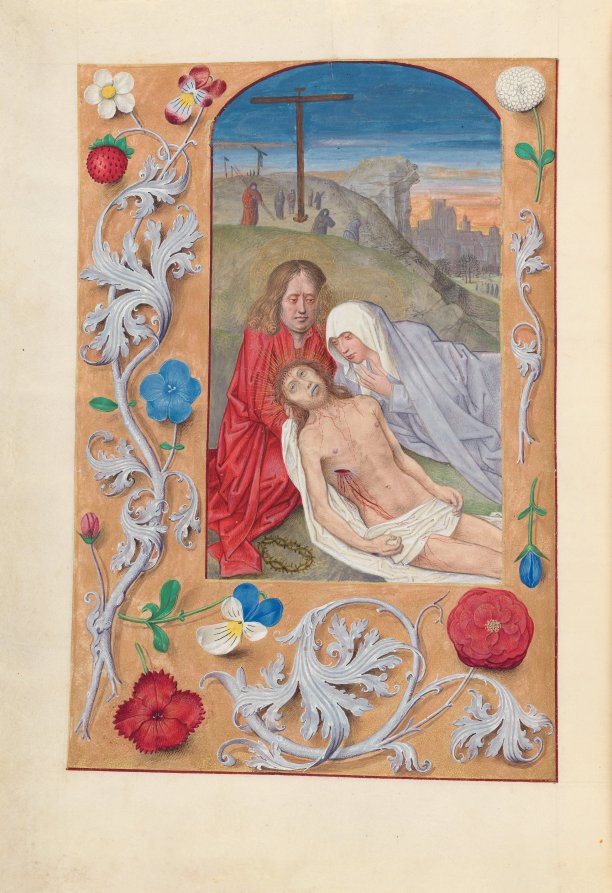
Hours of Queen Isabella the Catholic, Queen of Spain: Fol. 260v, Lamentation
Curator

Winter Morning, Unguarded
Paired with passage

Curtain of Gold
Paired with passage
One Small Clasp
Paired with passage
Elsewhere
Paired with passage