Emotions · Clusters
Approach-positive
Valence — these share a direction (toward / away) more than a felt shape.
Emotions of moving-toward. Their valence is positive and their structure is open: the self leans into the world rather than away. They differ by what's being approached (a person, a felt-state, a recognition, a registered gift) and by the depth of the contact.
Core
Sits squarely in this cluster
Joy
Acute, often surprising; a peak. Doesn't need an object exactly — a state more than a relation.
Love
Sustained orientation toward a specific other. Encompasses the cluster's other registers when applied to a person.
Tenderness
Soft, protective, often somatic. Carries a hand-on-shoulder quality; less peak than continuous warmth.
Gratitude
Recognition of having been given. Implies a giver and a registered debt-of-meaning, not necessarily action.
Contentment
Approach without reaching — a settled positive baseline. The most often missed of the cluster because it doesn't ask to be noticed.
Adjacent
Brushes against this cluster but lives more centrally elsewhere
Admiration
Approach-toward someone or something perceived as above. Shares the lean; differs in the implicit hierarchy.
Awe
Approach mixed with self-smallness. The object overwhelms; the self moves toward it anyway.
Trust
The structural underwriting of approach. Less a feeling than the condition that lets the others happen.
Images carrying these
A grid drawn from across the cluster — each image has been attested as carrying one of the member emotions, by curator pairing or by readers using Connect. The chip notes which emotion surfaced the image.
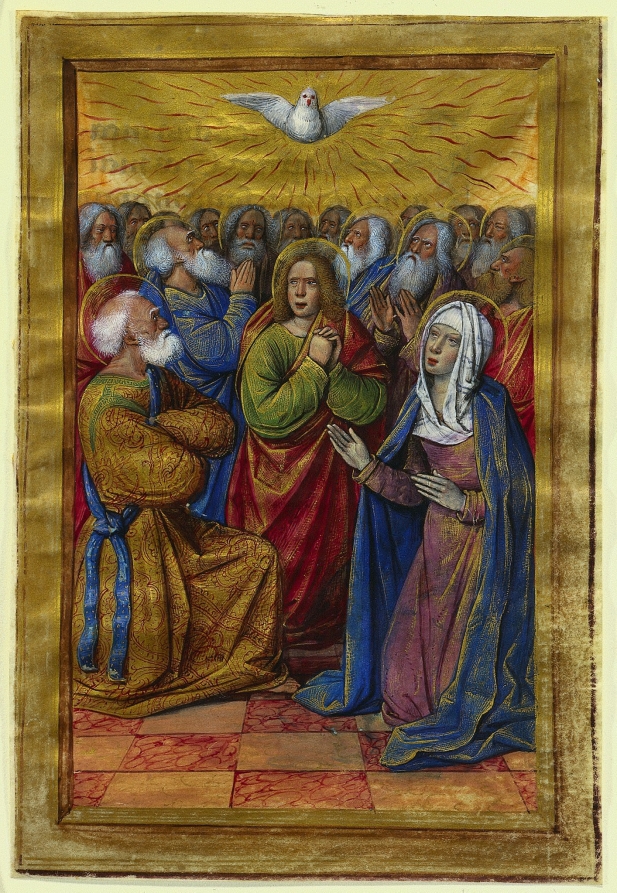
Miniature from a Book of Hours: The Pentecost
via Awe
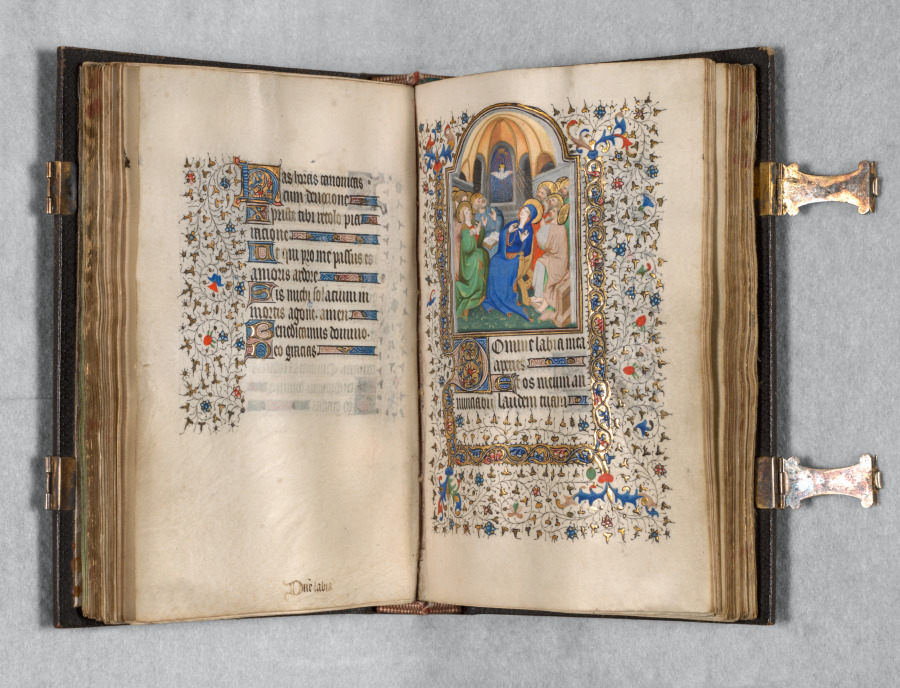
Book of Hours (Use of Paris): Fol. 108r, The Pentecost
via Awe

Hours of Queen Isabella the Catholic, Queen of Spain: Fol. 31v, Pentecost
via Awe
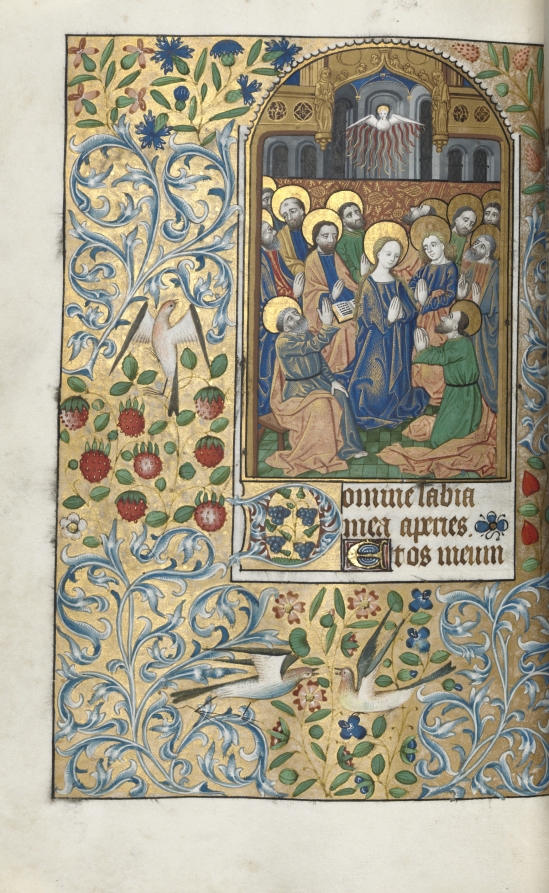
Book of Hours (Use of Rouen): fol. 99v, Pentecost
via Awe
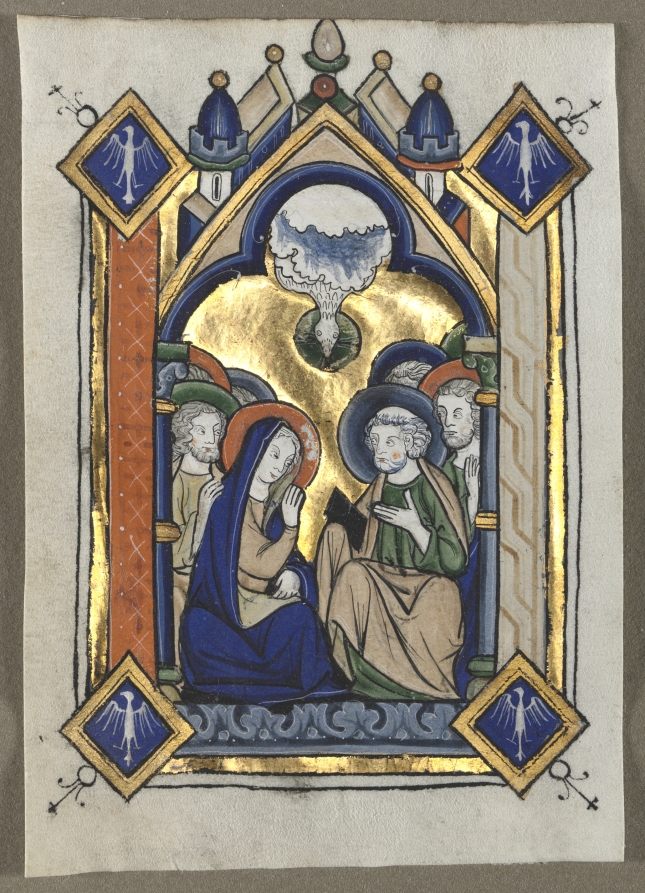
Leaf Excised from a Psalter: The Pentecost
via Awe
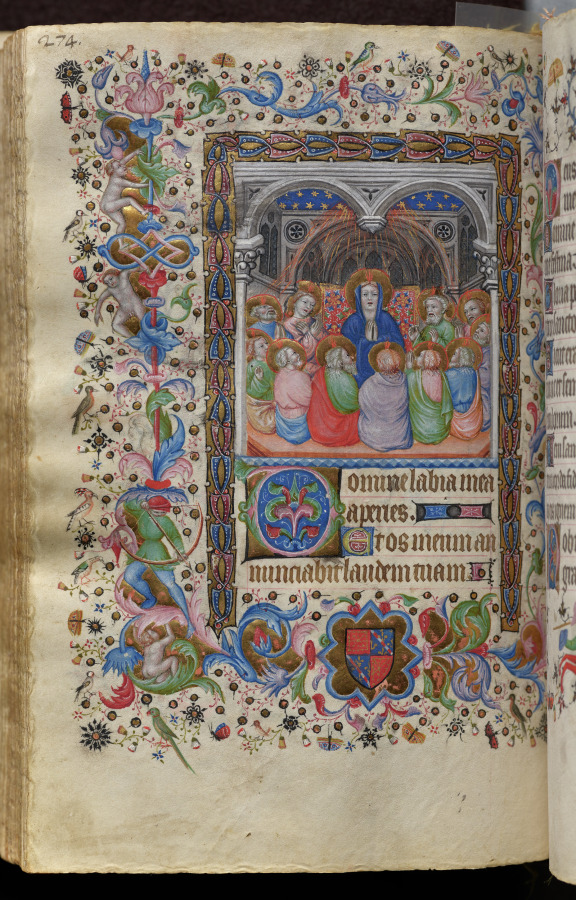
Hours of Charles the Noble, King of Navarre (1361-1425): fol. 137v, Pentecost
via Awe

Winter Morning, Unguarded
via Tenderness

Curtain of Gold
via Tenderness
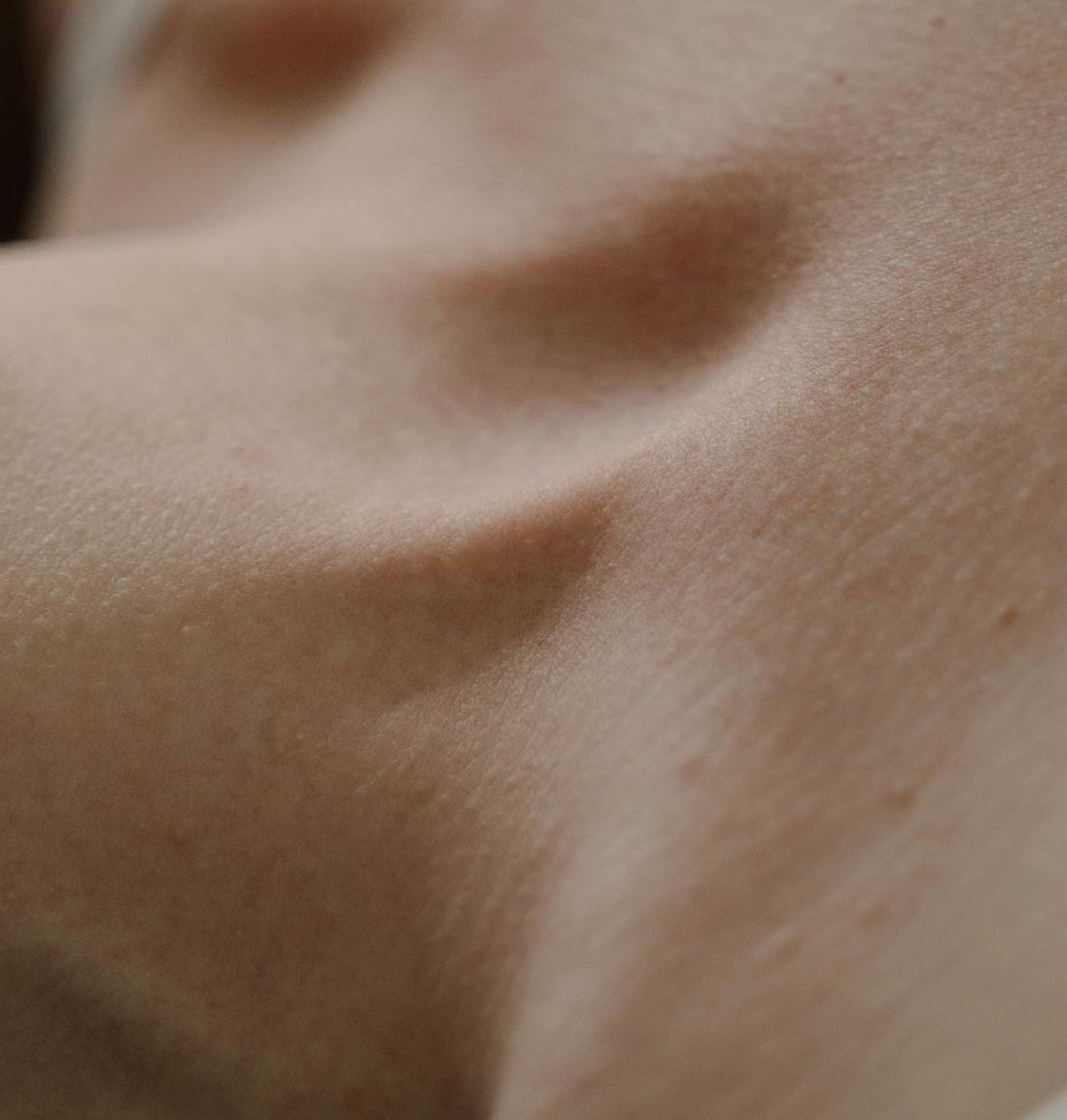
One Small Clasp
via Tenderness
Elsewhere
via Tenderness

Mäda Primavesi (1903–2000), Gustav Klimt | The Met
via Tenderness