Encyclopedic Museums
The Cleveland Museum of Art
Cleveland, Ohio · founded 1913
The Cleveland Museum of Art occupies an unusual position among American encyclopedic institutions: it maintains broad historical ambitions without the top-heavy emphasis on blockbuster holdings that characterizes many peers. The building itself, completed in 1916, sits on a plaza in University Circle with a restrained Beaux-Arts presence—substantial without monumentality. The collection reflects a deliberate breadth across cultures and periods, with particular strength in medieval and Renaissance works, American painting, and African sculpture. What distinguishes the museum's character, however, is a working curatorial commitment to contextual display and cross-cultural dialogue rather than chronological march or market-driven canonicity. The permanent galleries resist the fortress model; sightlines remain open, and works are often grouped by formal or conceptual affinity rather than geographic origin or century. This approach rewards sustained looking and invites unexpected visual conversation—a Romanesque relief positioned in dialogue with a West African mask, for instance, or Old Master drawings arranged to illuminate shared preoccupations with human gesture and drapery. The institution has also maintained a historically progressive admissions policy: free entry has been central to its public mission since its founding. This decision shapes the visitor demographic and reinforces a less elitist curatorial posture.
Signature collections
The museum's medieval holdings form a foundational strength, with particular depth in panel paintings, sculpture, and metalwork from Northern Europe. American art occupies substantial gallery space, reflecting early-twentieth-century institutional priorities; the paintings and decorative arts of this period are presented with scholarly attention to regional schools and artistic networks. African sculpture—masks, figures, architectural elements—appears throughout the galleries in ways that suggest formal investigation rather than ethnographic containment. The European collection spans from Byzantine mosaics through nineteenth-century academic practice. Figuration across these traditions receives consistent emphasis: portraiture, mythological narrative, devotional imagery, and human anatomy recur as organizing concerns. The photographs and prints departments hold works across multiple traditions and periods, often underscored in the display strategy. Japanese and Chinese painting and decorative arts, while present, occupy less dominant space than in some peer institutions.
Works from The Cleveland Museum of Art
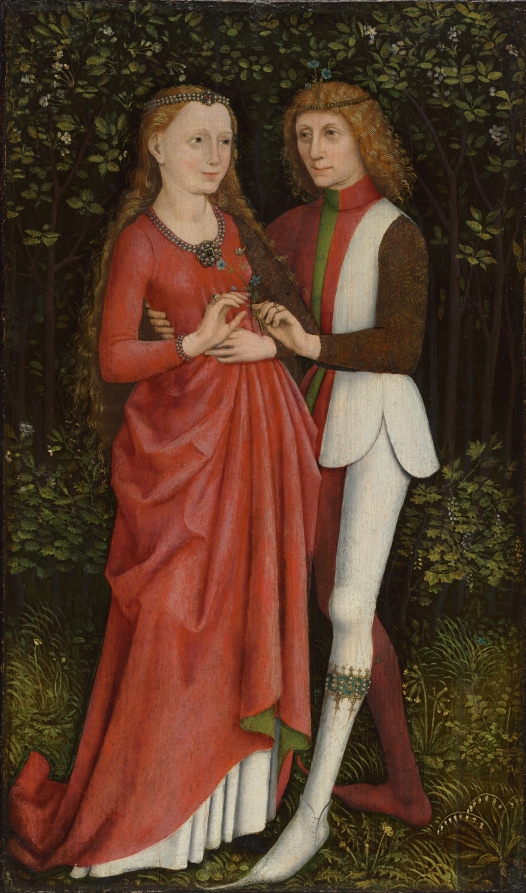
A Bridal Couple
Search the Cleveland Musuem of Art's collection online and website
Search the Cleveland Musuem of Art's collection online and website
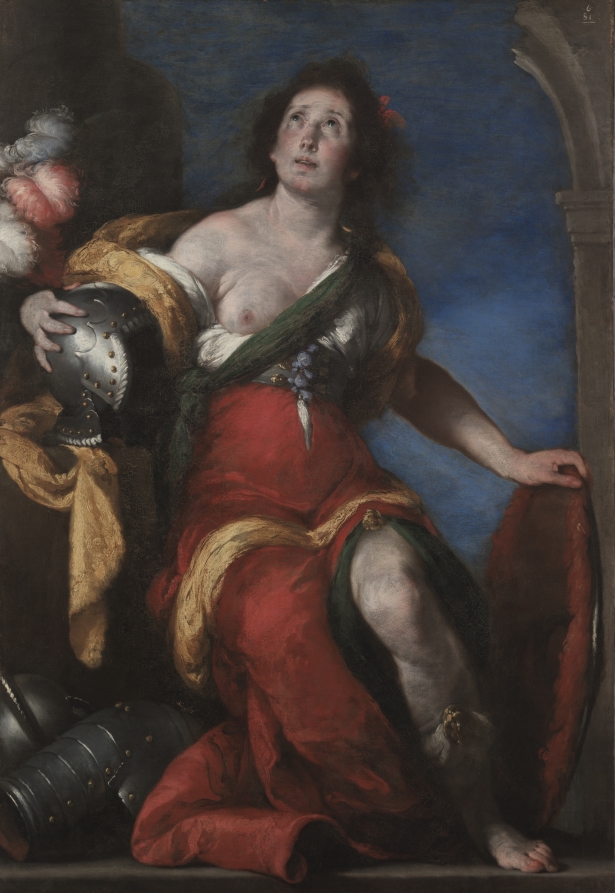
Allegorical Figure
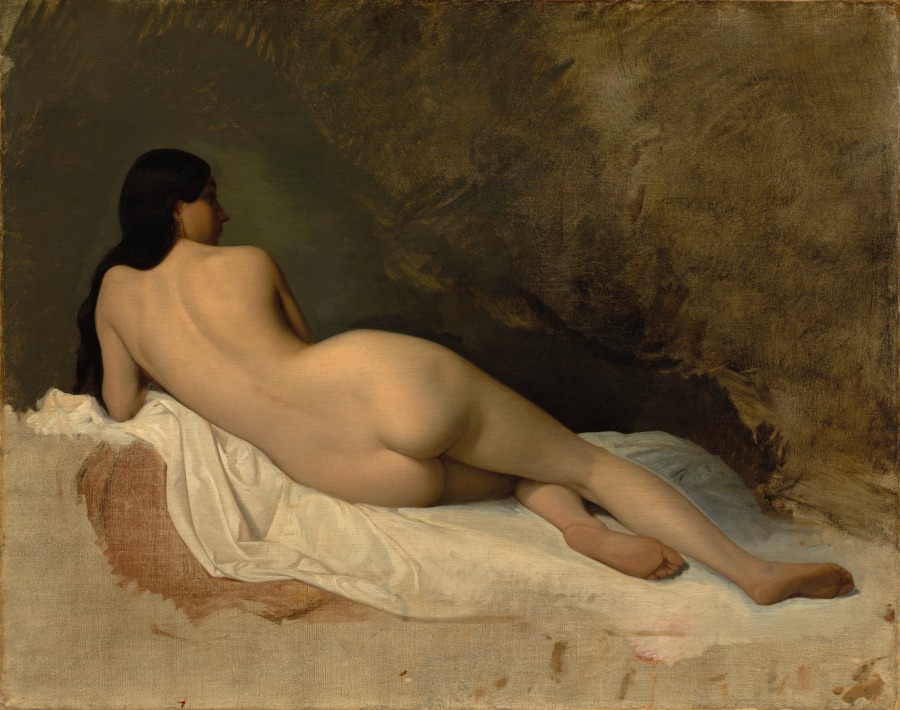
Search the Cleveland Musuem of Art's collection online and website
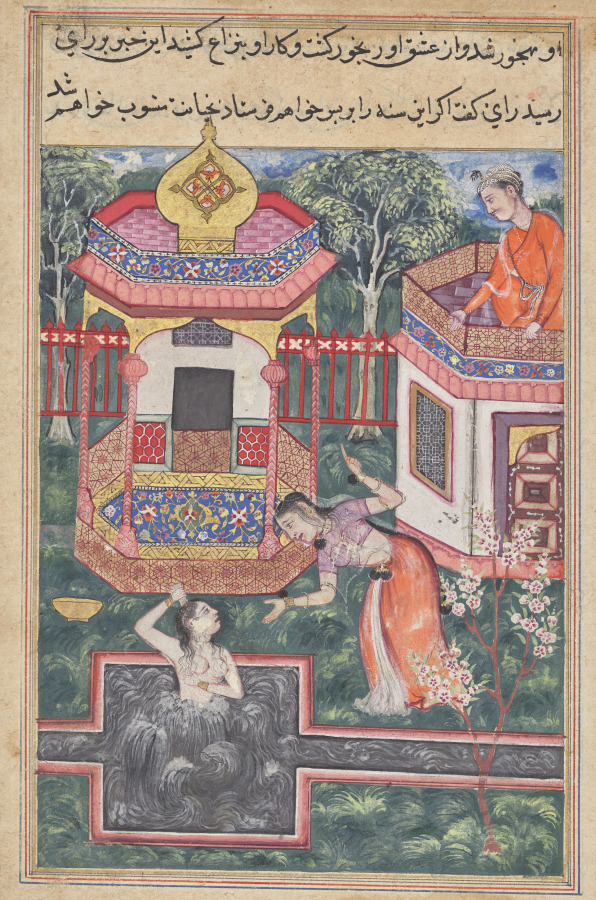
The son of the king of Babylon sees the Brahman transformed into a woman bathing and falls in love with her, from a Tuti-nama (Tales of a Parrot): Thirty-fifth Night
Pressed Against Stone
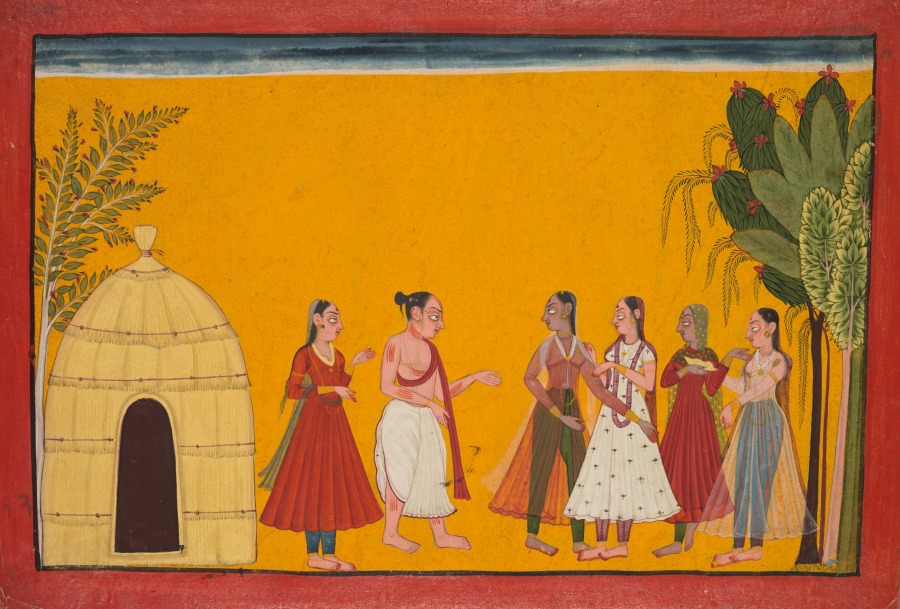
Rishyashringa addresses the courtesans, from the "Shangri" Ramayana
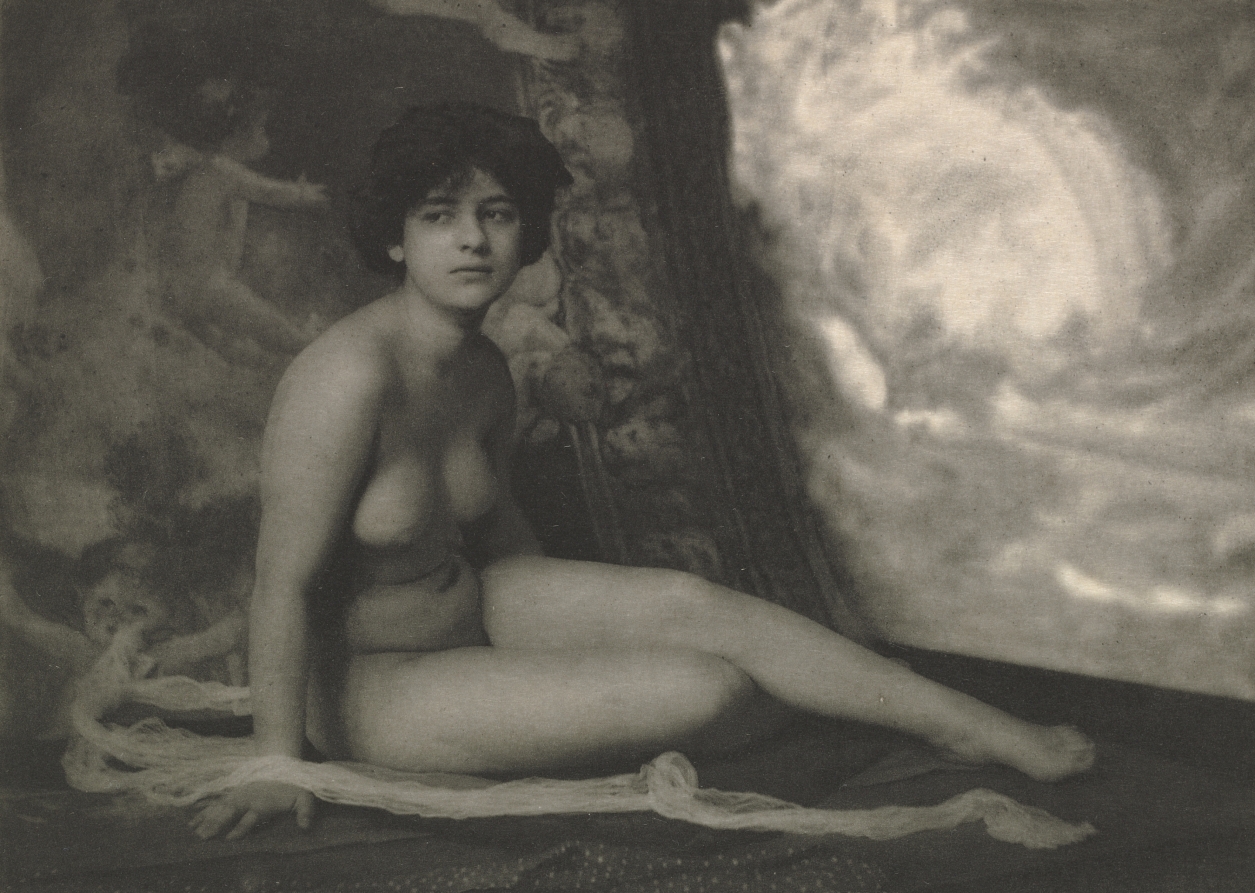
Search the Cleveland Musuem of Art's collection online and website
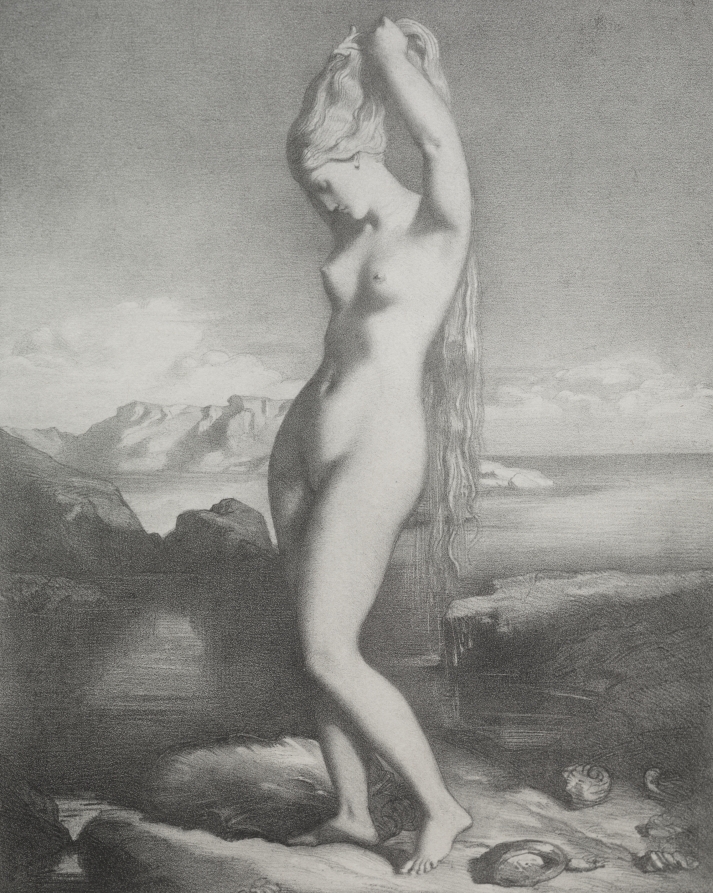
Search the Cleveland Musuem of Art's collection online and website
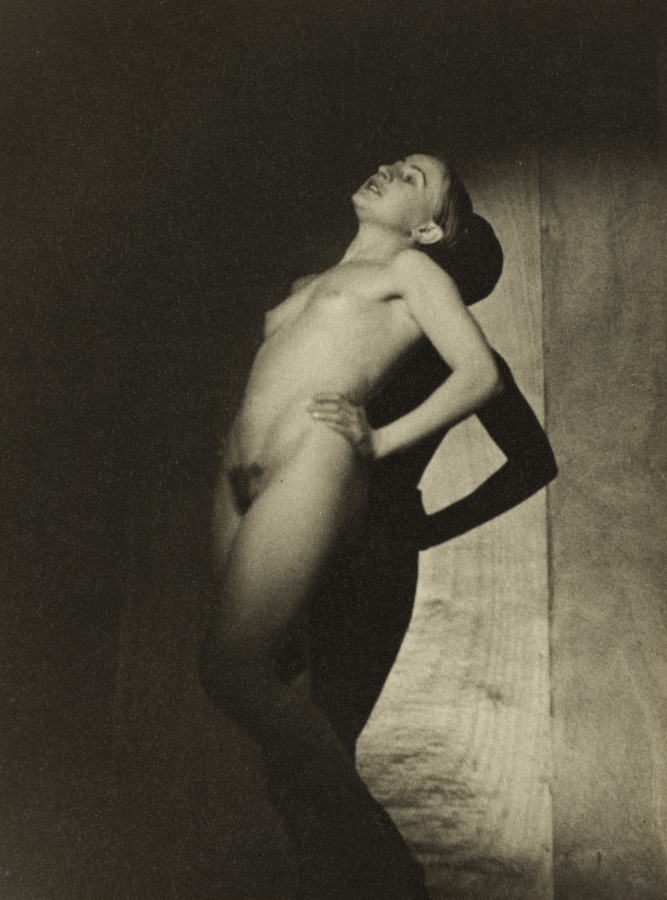
Search the Cleveland Musuem of Art's collection online and website
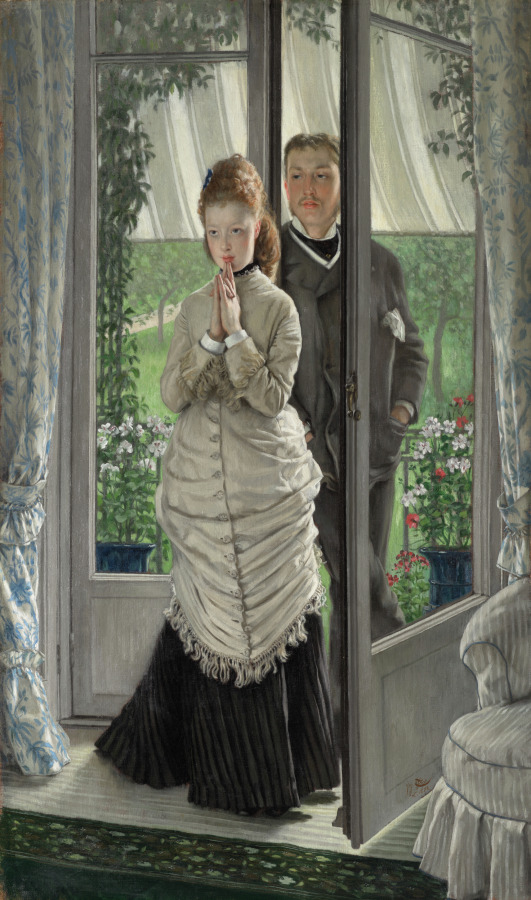
Search the Cleveland Musuem of Art's collection online and website
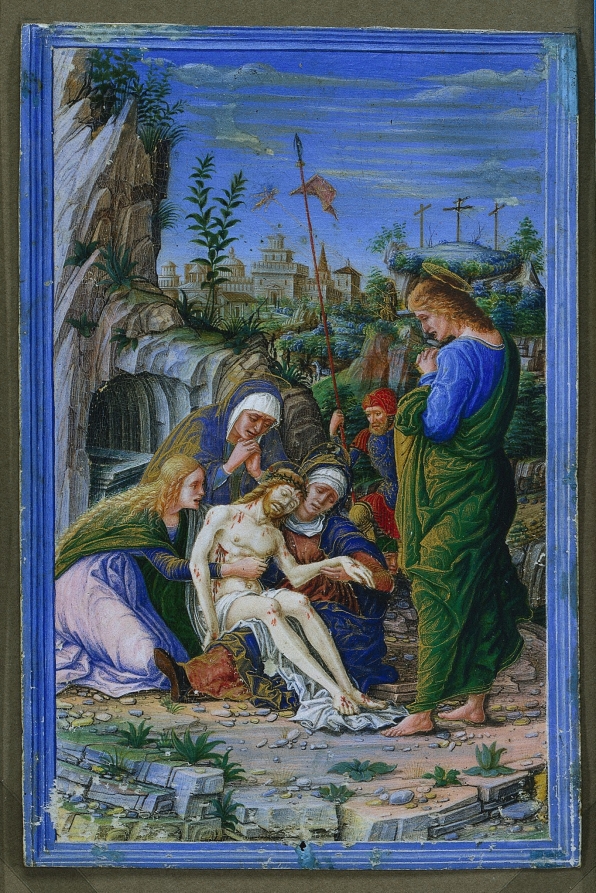
Single Leaf from a Book of Hours: Pieta
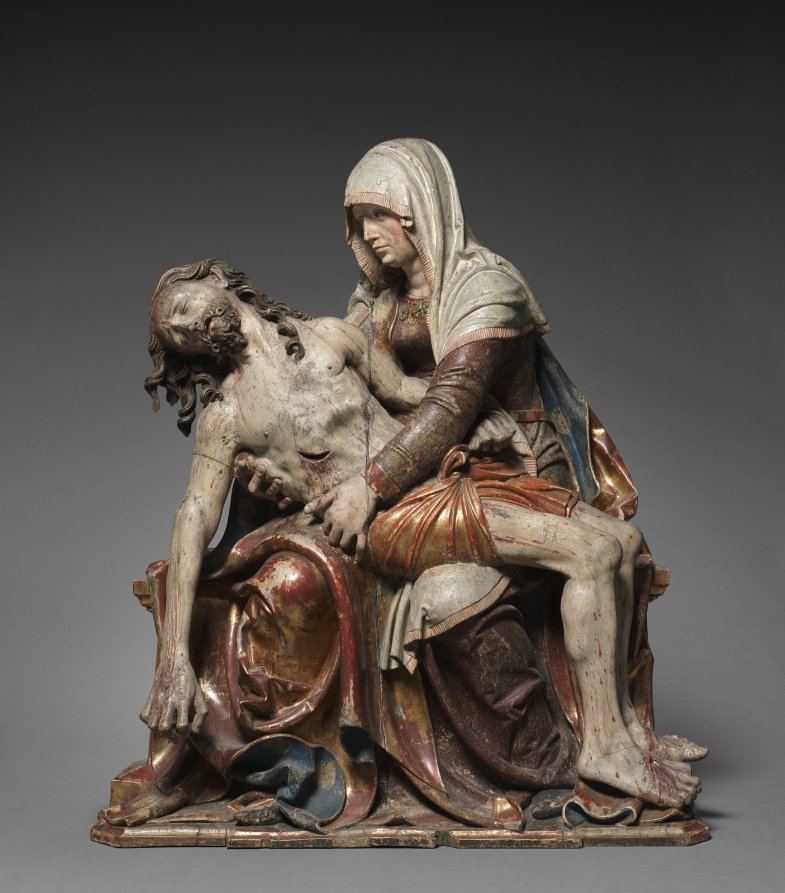
Vesperbild (Pietà)
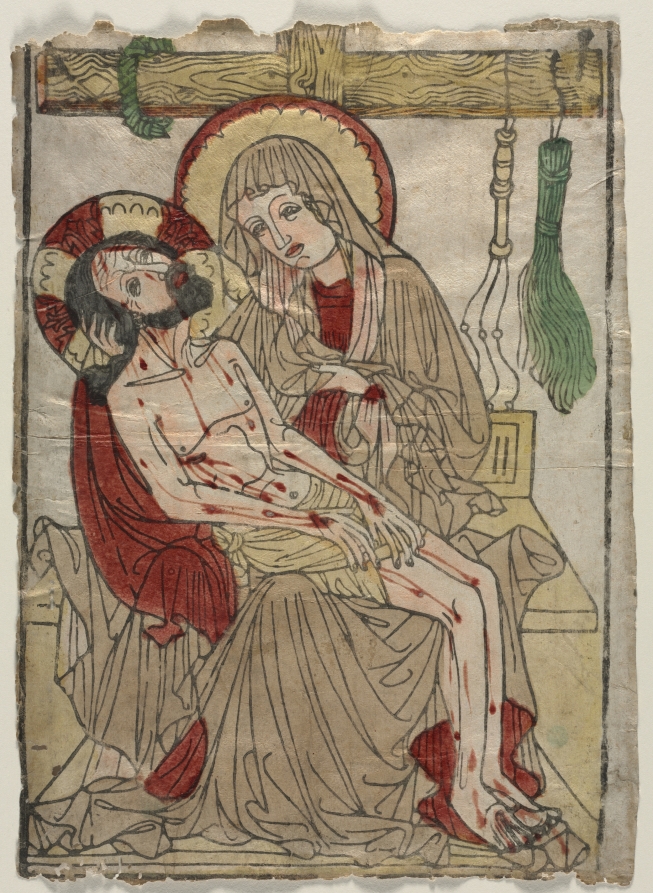
Pietà
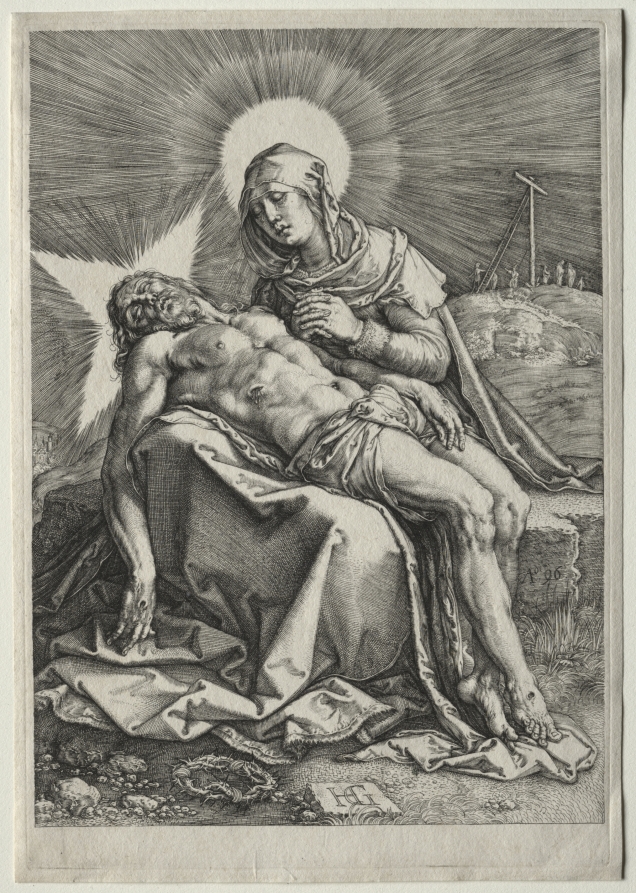
Pietà
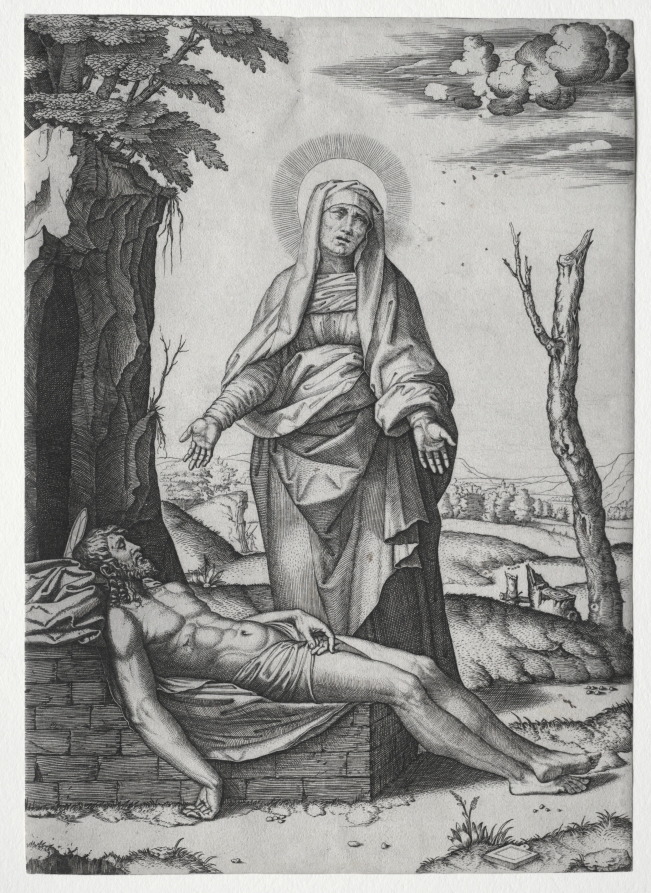
The Pietà
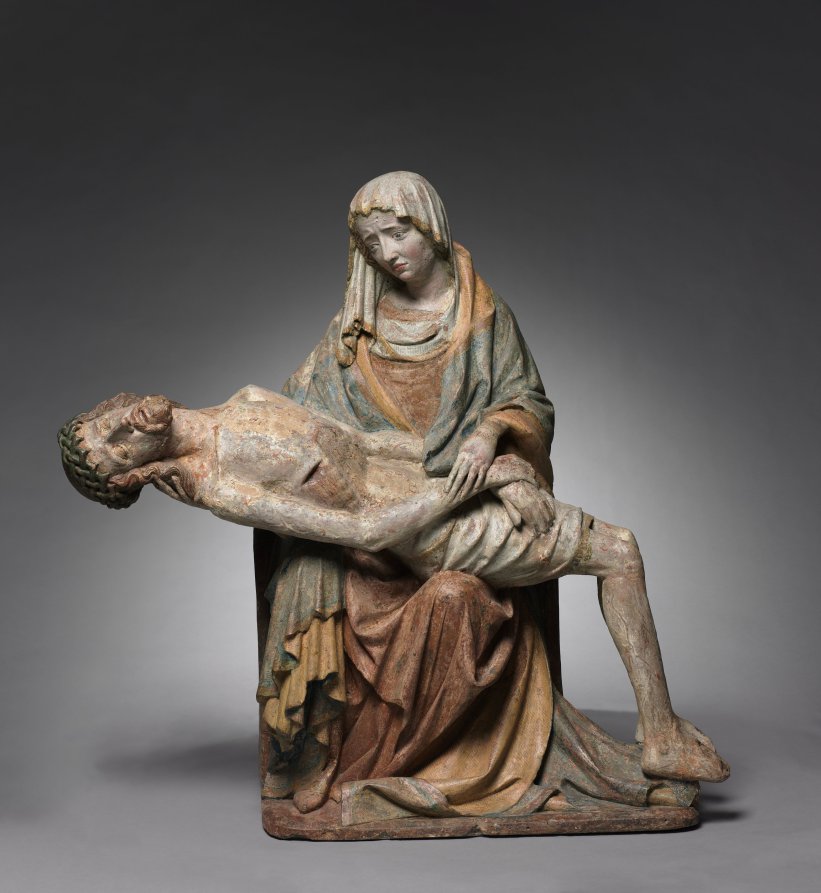
Vesperbild (Pietà)
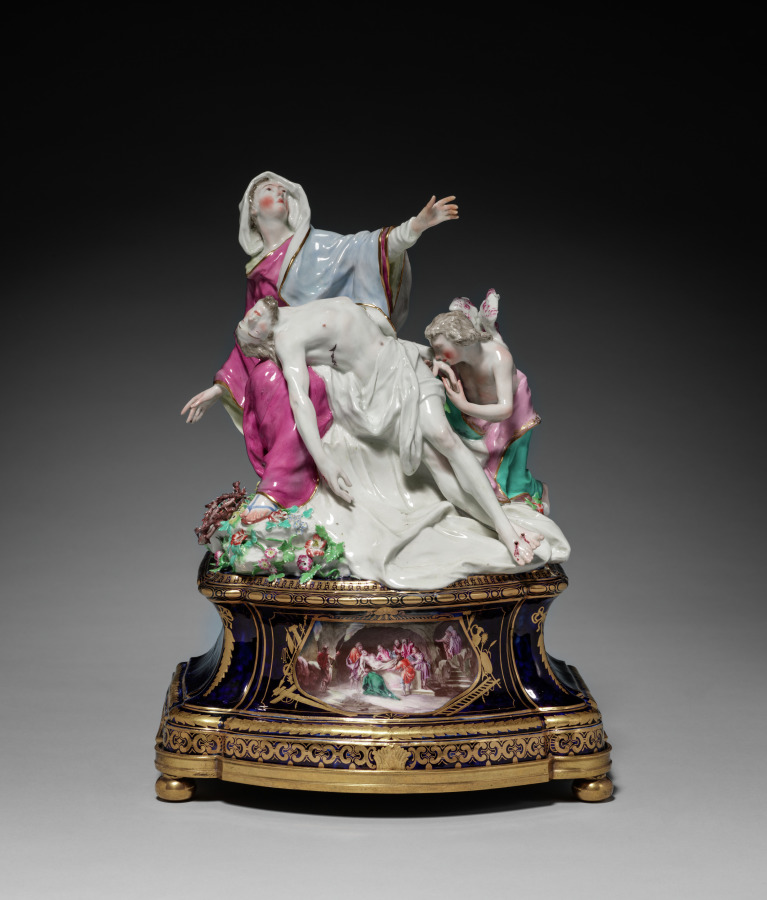
Figure of the Pietà
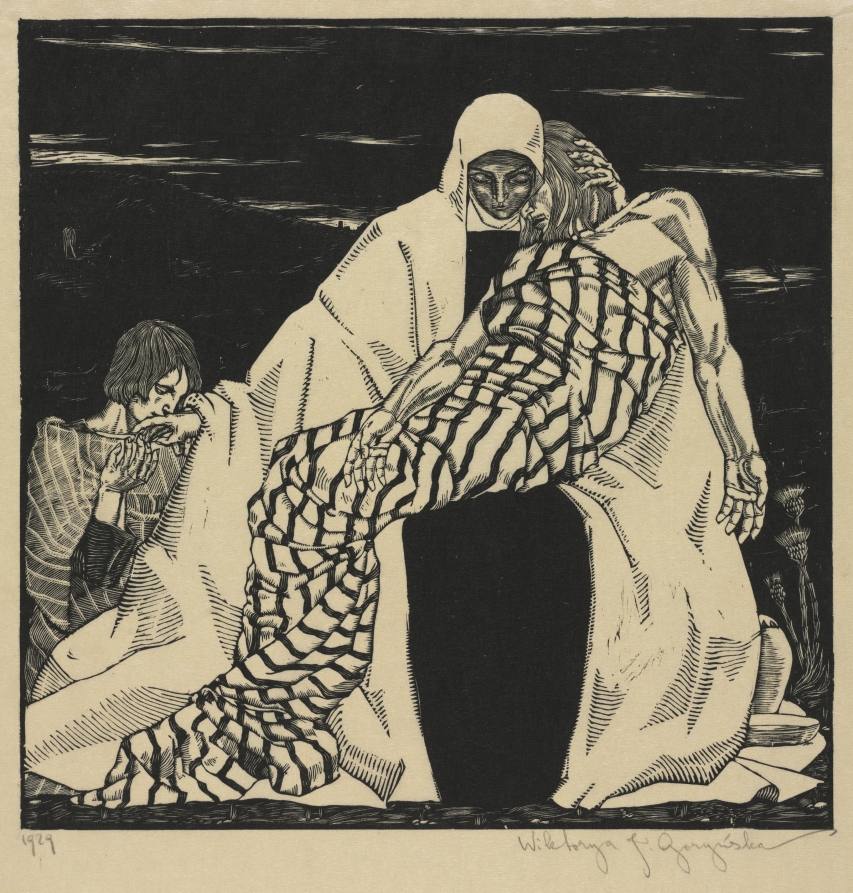
Pietà
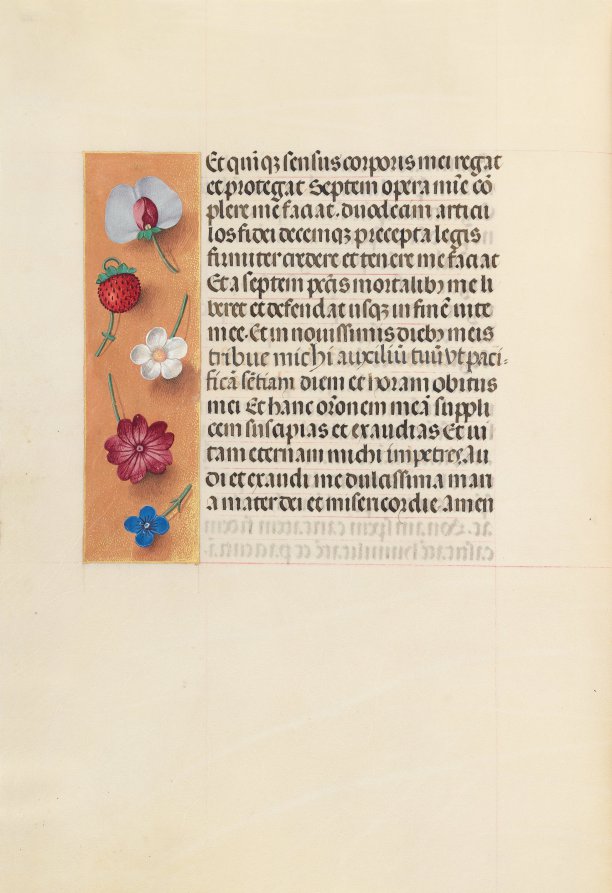
Hours of Queen Isabella the Catholic, Queen of Spain: Fol. 260v, Pieta
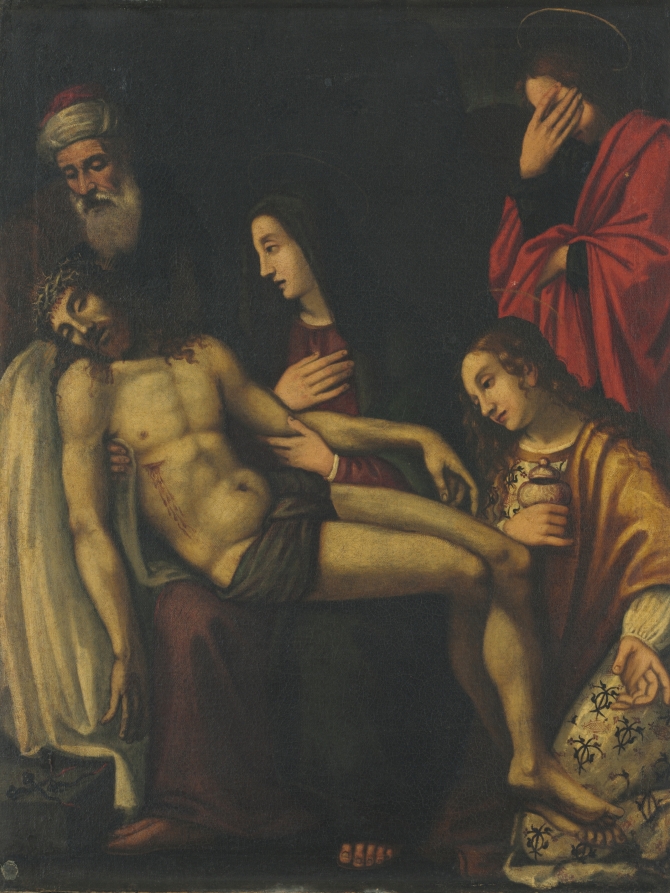
Pietà
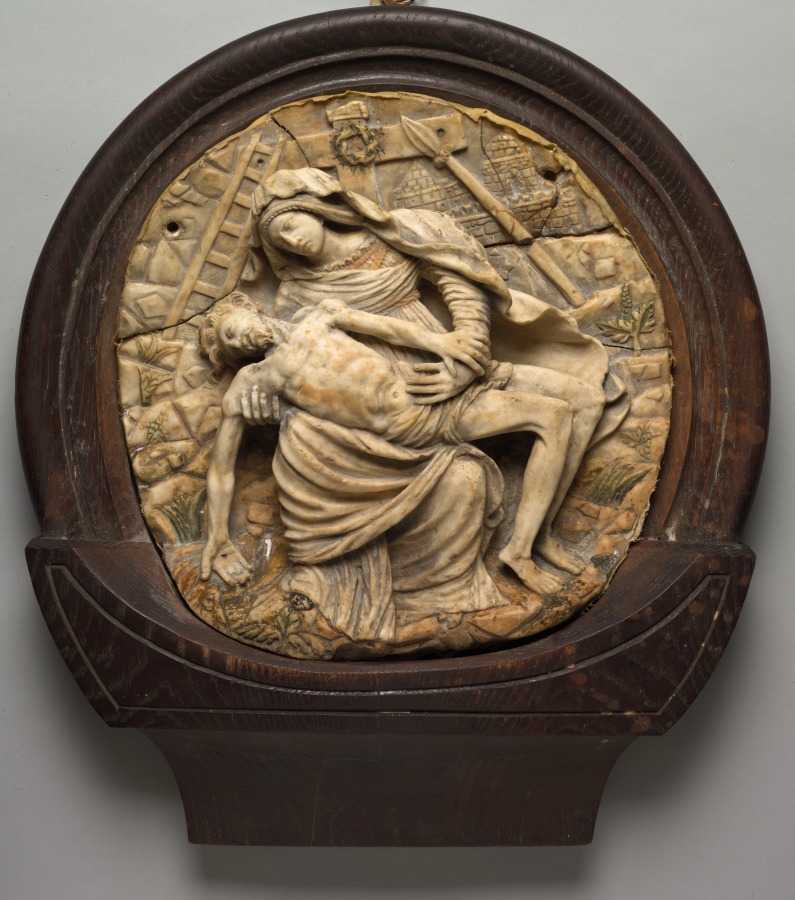
Pieta
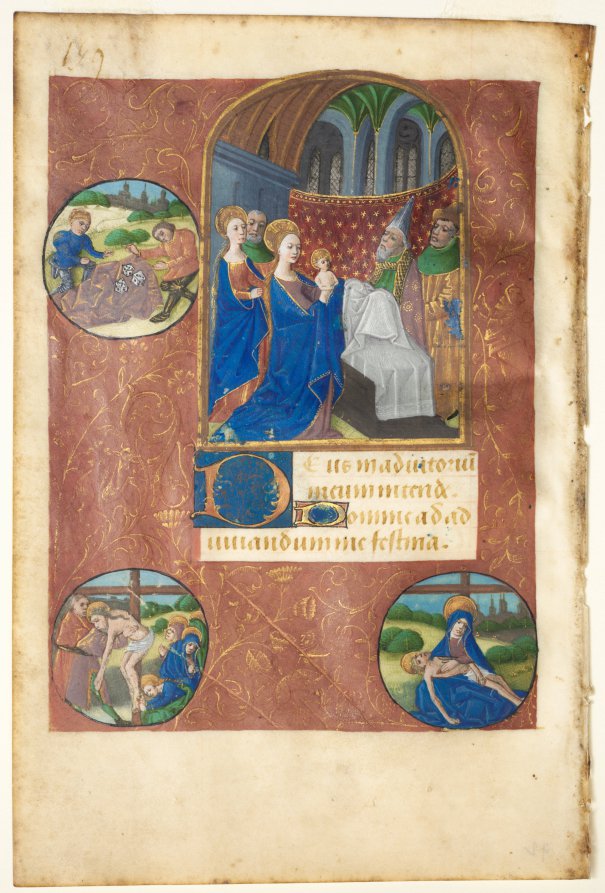
Leaf from a Book of Hours: Presentation in the Temple with Roundels of the Casting of Lots, the Deposition, and Pietà (None, Office of the Virgin)